Alfred Crossley – Halifax Explorer of Madagascar
Alfred Crossley – The Forgotten Halifax Explorer of Madagascar
1839–1877 | From the streets of Halifax to the forests of Madagascar
In June 1877, the people of Halifax learned that one of their own had died thousands of miles from home, on the island of Madagascar.
His name was Alfred Crossley. He was just 37 years old.
During his short life, Crossley had been a sailor, survived a shipwreck, endured captivity and travelled through some of Madagascar's remote forests collecting animals and insects for scientific study.
His discoveries would find their way into museums across Europe, and several species would eventually bear his name.
Yet today, this remarkable Halifax man is largely forgotten.
A Halifax Boy with a Taste for Adventure
Alfred Crossley was born in Halifax on 11 August 1839 and baptised on 13 October that year.
His mother was Hannah Crossley, and his grandfather, William Crossley, worked as a carpet weaver.
Alfred grew up in comparatively modest circumstances, spending part of his early life with relatives around Mount Pleasant in Halifax.
Unlike the wealthy industrial families who made Halifax famous, Crossley's family had few apparent advantages.
But the young Alfred developed an ambition that would take him far beyond the mills and streets of his hometown.
He wanted to go to sea.
According to an obituary published in the Halifax Courier on 16 June 1877, he was determined to become a sailor and eventually secured an apprenticeship.
It was the beginning of an extraordinary life.
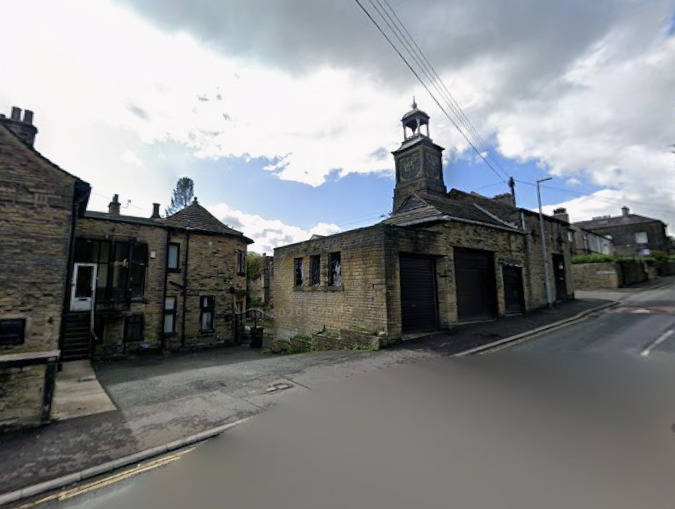
Savile Row
Shipwrecked on the Coast of Madagascar
During one of his early voyages, Crossley's ship was reportedly wrecked.
He and another sailor escaped on a small raft and eventually reached the island of Madagascar, off the southeastern coast of Africa.
Their ordeal was far from over.
According to the account published in the Halifax Courier, the two men were detained for approximately two years before eventually escaping and making their way to a part of the island from which they could leave.
The newspaper described their treatment as not especially harsh, although the circumstances of their detention remain uncertain.
The shipwreck and captivity story has survived through contemporary newspaper accounts, but the precise dates, locations and identities of those involved have not been independently established.
Nevertheless, the experience appears to have introduced Crossley to the island that would dominate the remainder of his life.
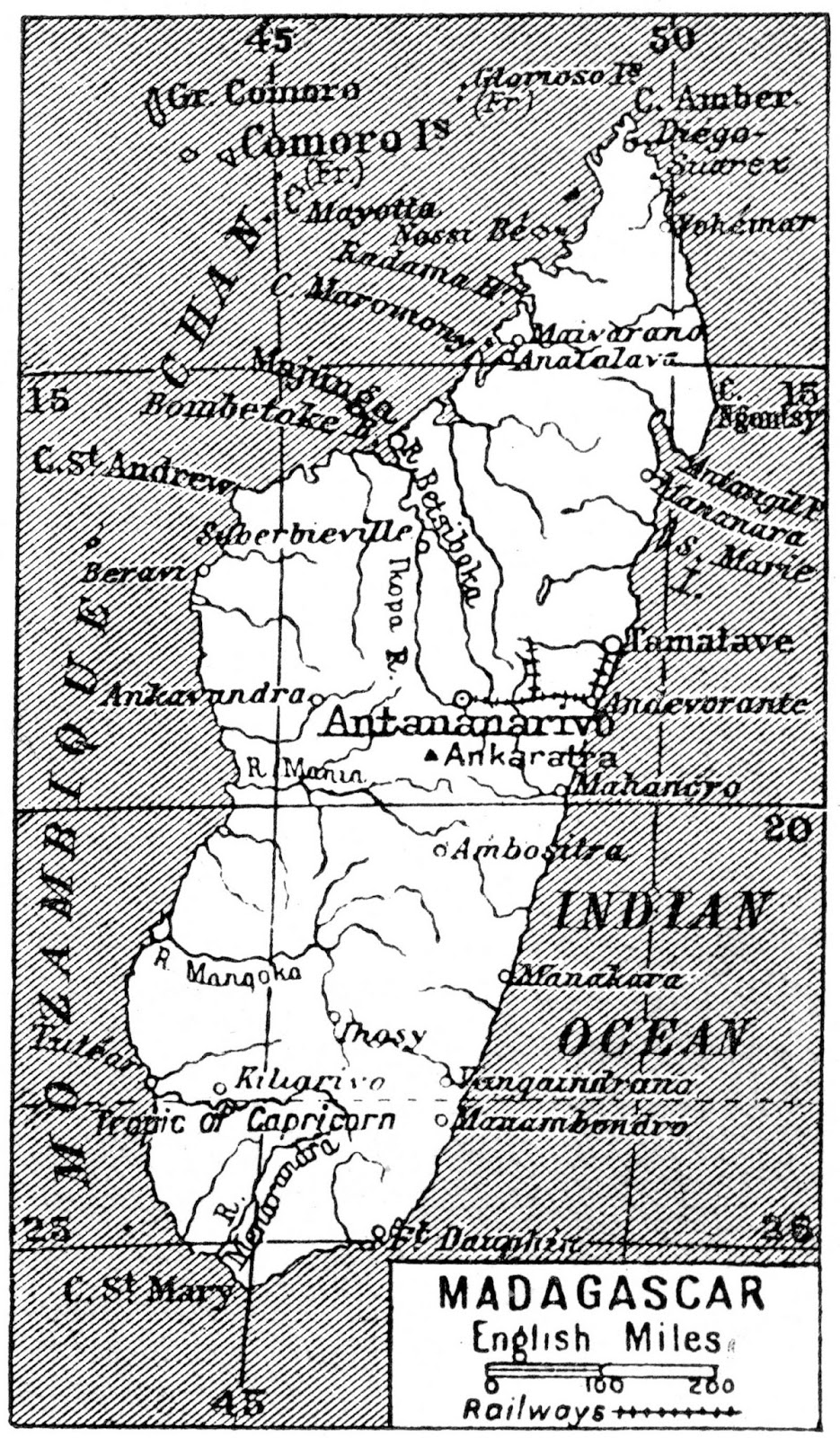
Nineteenth-century map of Madagascar
Marriage and a Return to Halifax
After his early adventures, Crossley returned to England and continued his seafaring career.
On 25 September 1864, he married Sarah Ambler Parker at St James's Church in Halifax.
Sarah was the daughter of Charles Parker, a metalworker associated with Crib Lane.
Crossley's marriage certificate described his occupation as a seaman.
For a time, he appears to have considered settling in Halifax, but the attraction of overseas travel remained.
Before long, he was preparing for a very different kind of expedition.
This time he would travel not simply as a sailor, but as a collector of natural history specimens.
A New Career Collecting the Wildlife of Madagascar
By 1869, Alfred Crossley was back in Madagascar.
The island was attracting considerable interest among European naturalists because of its unusual wildlife, including lemurs, birds, reptiles, butterflies and other animals found nowhere else in the world.
During the nineteenth century, museums and private collectors were eager to obtain specimens from distant countries.
Crossley became one of the men who supplied them.
His expeditions received support from Christopher Ward, another naturalist with connections to Halifax.
Travelling through Madagascar, Crossley collected birds, mammals, butterflies, insects and botanical specimens.
He worked with local assistants and hunters whose knowledge of the landscape and wildlife was essential to these expeditions.
The work was demanding. Collecting parties had to travel considerable distances, preserve delicate specimens and arrange for their transportation to Britain and other European destinations.
Crossley spent weeks and sometimes months away from the island's principal settlements.
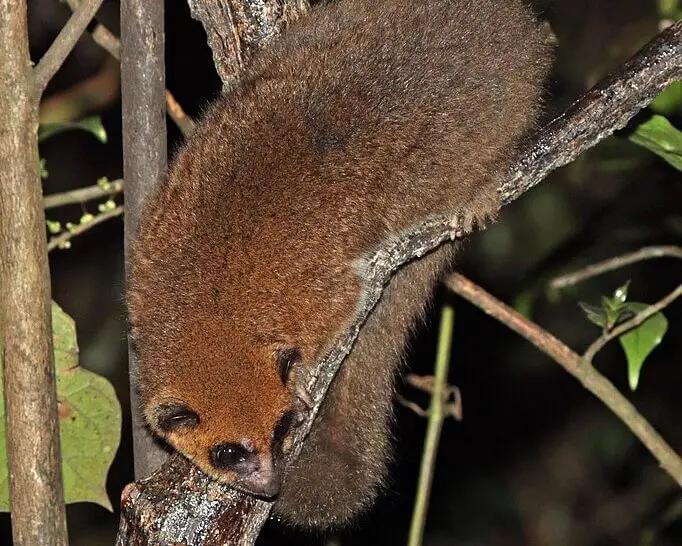
Crossley's dwarf lemur
Discoveries That Reached European Museums
Crossley's specimens attracted the attention of leading naturalists.
Many were sent to Britain through specialist natural history dealers, while others entered private collections or museums elsewhere in Europe.
His collecting work contributed to the scientific description and classification of Madagascar's wildlife.
Some specimens were especially important because they became the original reference material used to describe species new to science.
Today, examples of Crossley's collections survive in major natural history institutions.
Unfortunately, much of his original documentation has disappeared, making it difficult for modern researchers to reconstruct exactly where every specimen was collected.
Nevertheless, his contribution to nineteenth-century zoology remains significant.
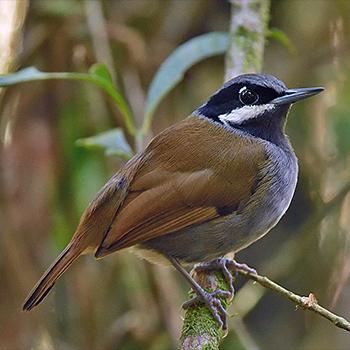
Crossley's vanga
The Animals That Still Bear His Name
Although Alfred Crossley died almost 150 years ago, his name survives in the scientific names of several animals.
Among them are Crossley's dwarf lemur (Cheirogaleus crossleyi), Crossley's vanga (Mystacornis crossleyi) and Crossley's forest queen butterfly (Euxanthe crossleyi).
The bird genus Crossleyia also commemorates him.
These names provide a lasting reminder of the Halifax collector whose specimens helped scientists understand the remarkable wildlife of Madagascar.
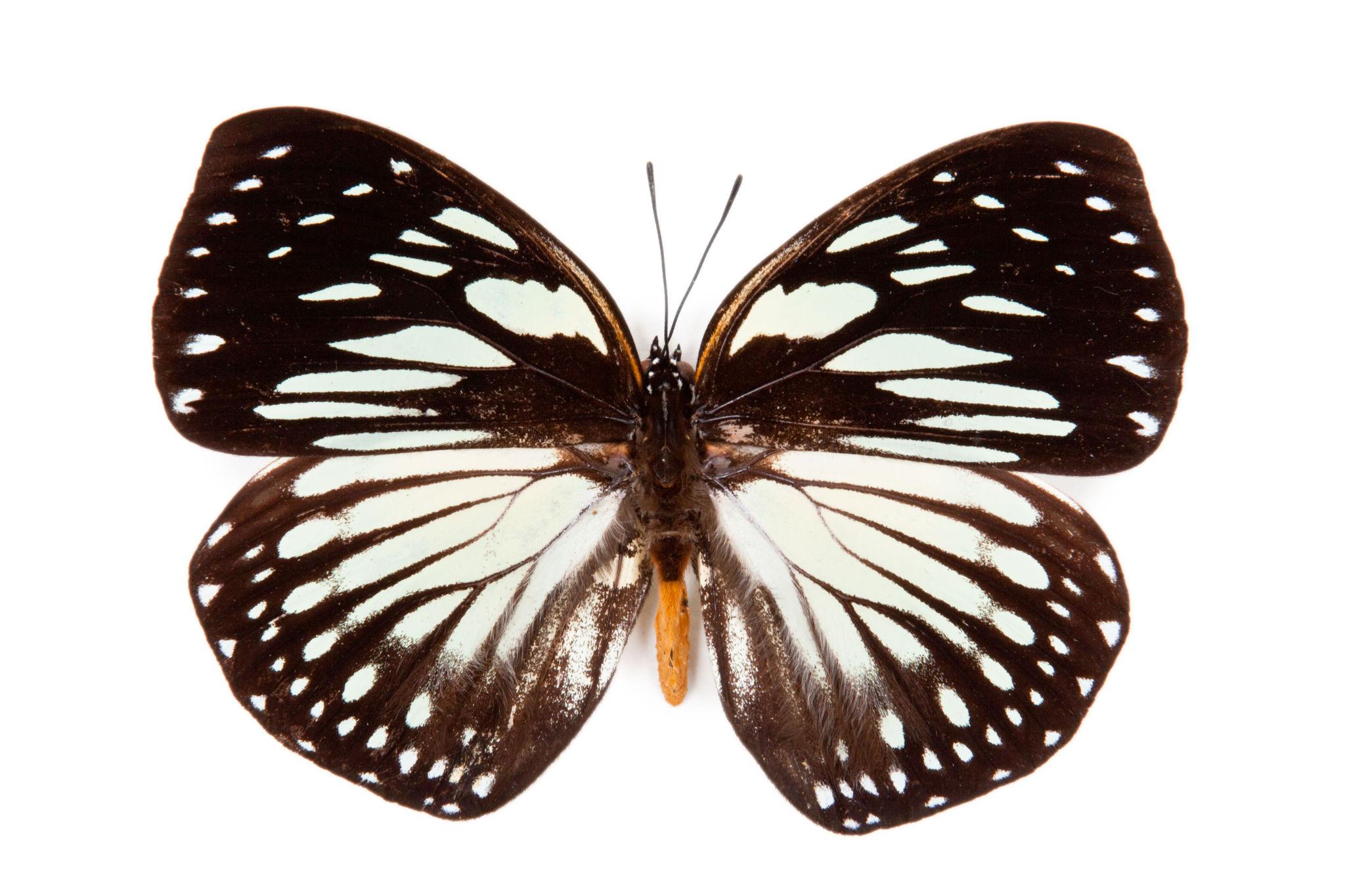
Crossley's forest queen butterfly
Another Marriage in Halifax
Crossley continued to maintain connections with his hometown.
By 1875, he was corresponding with fellow naturalists from Mount Tabor, Halifax.
In February 1876, he married Rebecca Dennis at Hanover Methodist Chapel in Halifax.
Rebecca was the daughter of William Dennis, a local man known for his singing.
The marriage took place shortly before Crossley's final expedition.
By August 1876, he was once again in Madagascar, continuing his work as a natural history collector.
It would be his last journey.
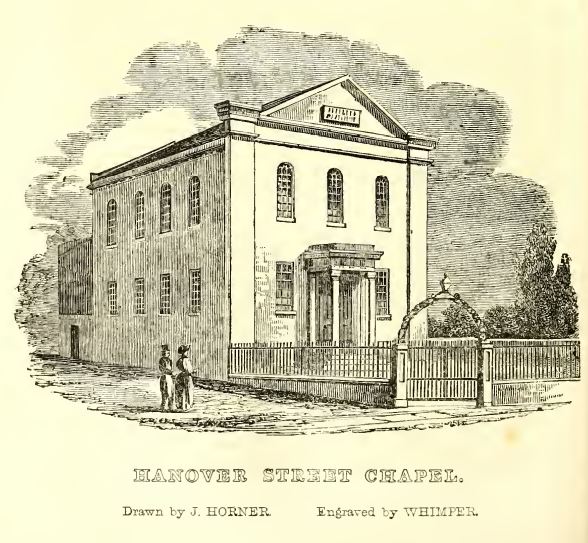
Hanover Methodist Chapel, now associated with Halifax Playhouse
A Lonely Death Far from Home
On 28 February 1877, Alfred Crossley died in Madagascar, aged only 37.
The circumstances surrounding his death were uncertain.
A report published in the Leeds Mercury on 16 June 1877 explained that news of his illness had reached Britain earlier in the year, but little further information had been received until a telegram announced his death.
Smallpox was prevalent on the island at the time, and the newspaper suggested that he might have died from the disease.
However, that was a contemporary supposition rather than a confirmed medical diagnosis.
When news finally reached Halifax, the Halifax Courier published an obituary describing his adventurous life and the natural history specimens he had collected.
The report recalled a man who had travelled far from his Yorkshire beginnings and spent much of his life exploring unfamiliar places.
His death brought an extraordinary career to an early end.
The Halifax Explorer Rediscovered
For many years, Alfred Crossley's name remained little known outside specialist natural history circles.
That has begun to change.
In 2022, researcher Ian Tattersall published a detailed study reconstructing Crossley's travels and scientific work in Madagascar.
Drawing on surviving correspondence, museum specimens and Victorian newspaper reports, the study helped restore Crossley's place in the history of natural science.
Further research has continued to uncover details of his family, marriages, travels and final years.
His story also offers a glimpse into the complicated world of nineteenth-century scientific collecting, when European museums depended heavily on collectors working overseas and on the knowledge and labour of local people.
From his early life near Mount Pleasant to his death on the far side of the world, Alfred Crossley followed a path very different from that of most Halifax residents of his generation.
He never achieved the public recognition enjoyed by some of the town's wealthy industrialists.
But his legacy survives in museum collections, scientific publications and the names of animals still living in Madagascar today.
Alfred Crossley deserves to be remembered as one of Halifax's most remarkable nineteenth-century adventurers.
[PHOTO – ]
[PHOTO – ]
[PHOTO – ]
[PHOTO –