Halifax Union Workhouse:
Stories of Struggle and Social Change

"An Evening with Harry Facks: The Halifax Union Workhouse"
As narrated by Harry Facks, Victorian gentleman and Halifax historian
"Good evening, dear friends of Halifax history,
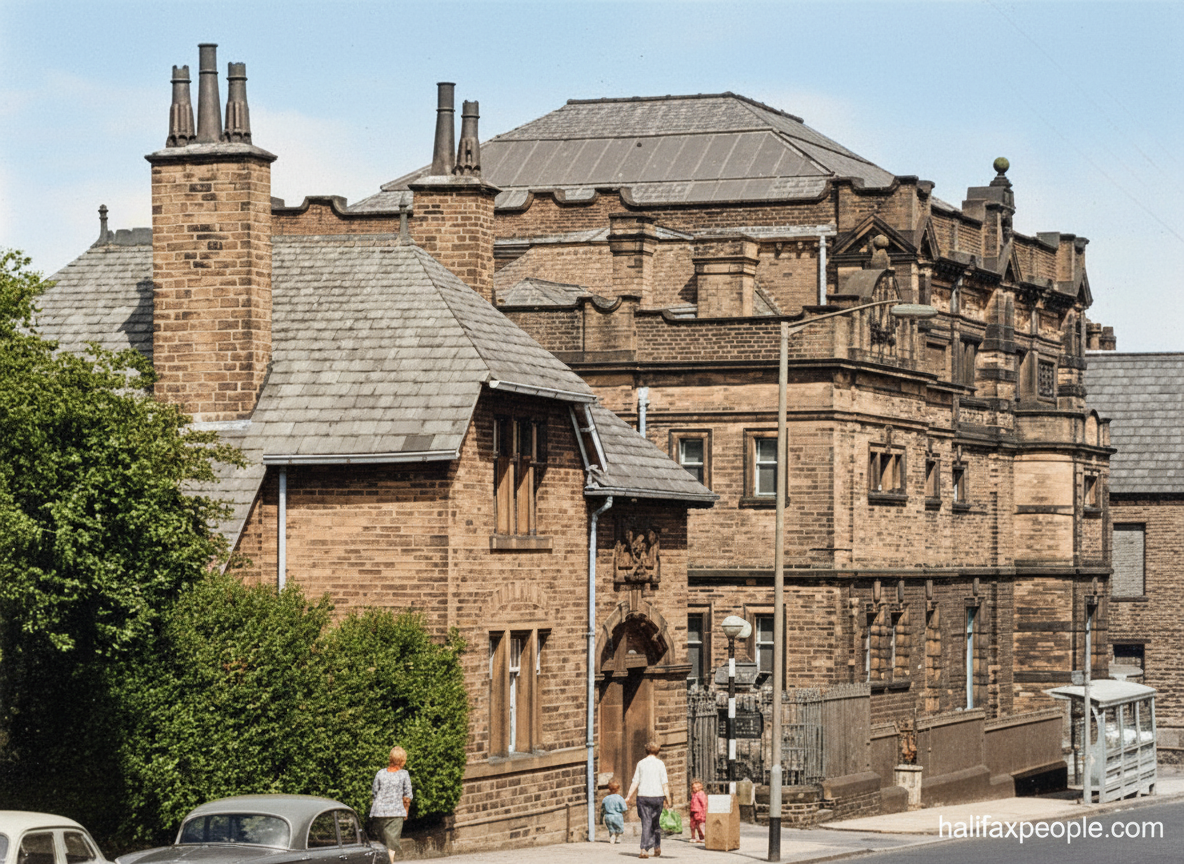
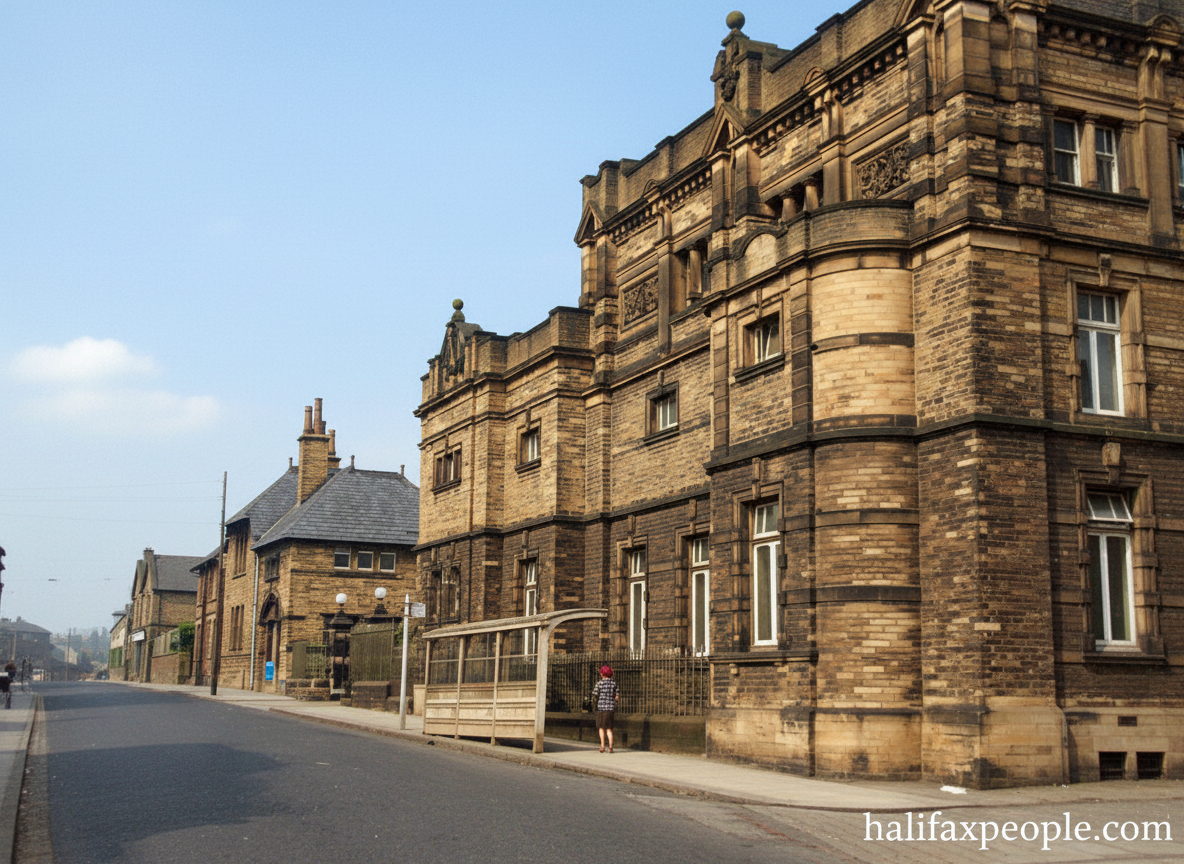
I find myself compelled to share with you the most fascinating yet sobering account of our Halifax Union Workhouse. Having witnessed its operations during my Victorian days, I can speak with certainty of its establishment in the year 1840 - March 25th, to be precise.
The institution, which many of you would recognize from its position betwixt Gibbet Street and Hanson Lane, was constructed at the considerable sum of £12,000. I recall the discussions among the town's notable figures about this significant investment in what they termed 'poor relief.'
But let us step back a moment to acknowledge its predecessor. Our own Nathaniel Waterhouse - a name that should ring familiar to any Halifax resident with an interest in our past - established the original workhouse in 1635. A full two centuries before the grand Union Workhouse that I came to know.
The Gibbet Street Institution, as it came to be known, was more than mere bricks and mortar. Within its walls, lives were documented with meticulous precision - every soul who passed through those doors had their story recorded in the ledgers: their name, their age, where they had lived, whether they were married or not, and what work they could perform.

enhanced
I must emphasize, my dear friends, that these are not mere tales spun for entertainment. Every detail I share with you has been verified through the preserved records, now safely housed in the West Yorkshire Archive Service. The contract plans from 1837, the admission records, the creed registers - all stand as testament to the lives that passed through these halls.
[Harry adjusts his Victorian cravat thoughtfully]
The institution later expanded to include a hospital wing, adapting to the growing needs of our community. Each addition, each change, was carefully documented, creating a paper trail that allows us today to understand precisely how this establishment operated.
I find myself particularly moved by the ledger entries from 1835 to 1839, which detail the transition period between the old system and the new Union Workhouse. Each entry represents a human story, a life touched by circumstances that led them to seek refuge within these walls..."

enhanced
 |
 |
If you have enjoyed your visit to this website, please spread the word by clicking the 'like' and 'share' buttons below. Thank you