Step Back in Time:
The Story of Historic Clifton
Nestled in the scenic landscapes of Yorkshire, Clifton village boasts a rich history filled with charming stone buildings, historic landmarks, and stories passed down through generations. From its early beginnings to its role in the local community today, Clifton offers a unique window into the past.
Join us as we explore the heritage and hidden gems that make Clifton a true Yorkshire treasure.
View a 1905 map of Clifton here

No history of Brighouse really feels complete without mentioning the Miller family. They were known locally for their ingenuity and for tackling ideas others might have dismissed — often with a boldness that matched their creativity.
This week’s photograph looks back to the early days of motor engineering, specifically 1928, when the family had a mill on Oak Hill Road near Clifton Beck. Around that time they were also producing their own boxes for Ford cars.
At the centre of the group is John W. Miller. To his left is John Alexander Miller, and beside him is Douglas Miller. Also pictured is William Miller — better remembered in Brighouse as “Duggie” — wearing his familiar flat cap and bow tie.
The two inventors, John Alexander and Douglas, were often described as a perfect pairing: one with a strong grasp of theory, the other a practical engineer who could turn ideas into working machinery. The late 1920s brought major opportunity in motoring, and the Millers worked hard to be part of that progress. Among their achievements was the design and manufacture of a four-speed gearbox for Ford cars.
John Alexander even travelled to the United States to speak directly with Henry Ford, using both technical knowledge and persuasive charm in an effort to secure interest. The discussions did not lead to a deal, but the story didn’t end there. After further talks with Ford representatives, the company eventually began producing a gearbox of its own. After a number of years, the Millers stepped away from the project.
They then turned their attention to anti-dazzle headlights and saw some early success, but the work was cut short when Lucas chose to introduce a twin-filament bulb, which effectively brought that line of development to a close.
John Alexander Miller went on to live a long life, but John Douglas Miller died tragically not long after this photograph was taken, in a speedboat accident.
Clifton Common

enhanced

enhanced


enhanced


enhanced
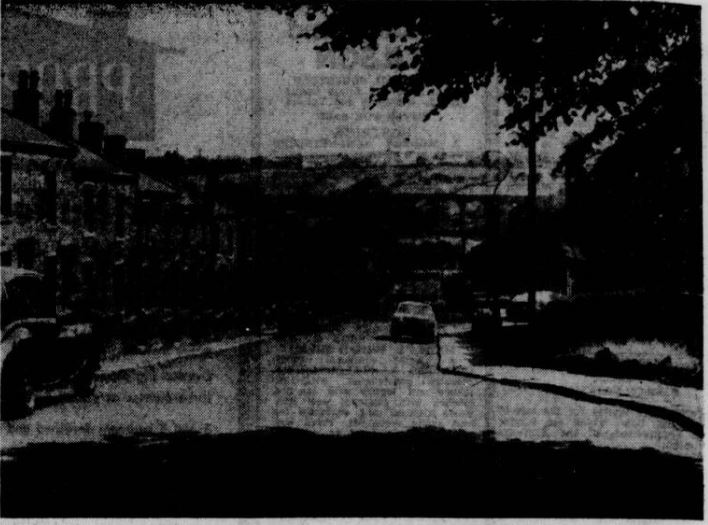
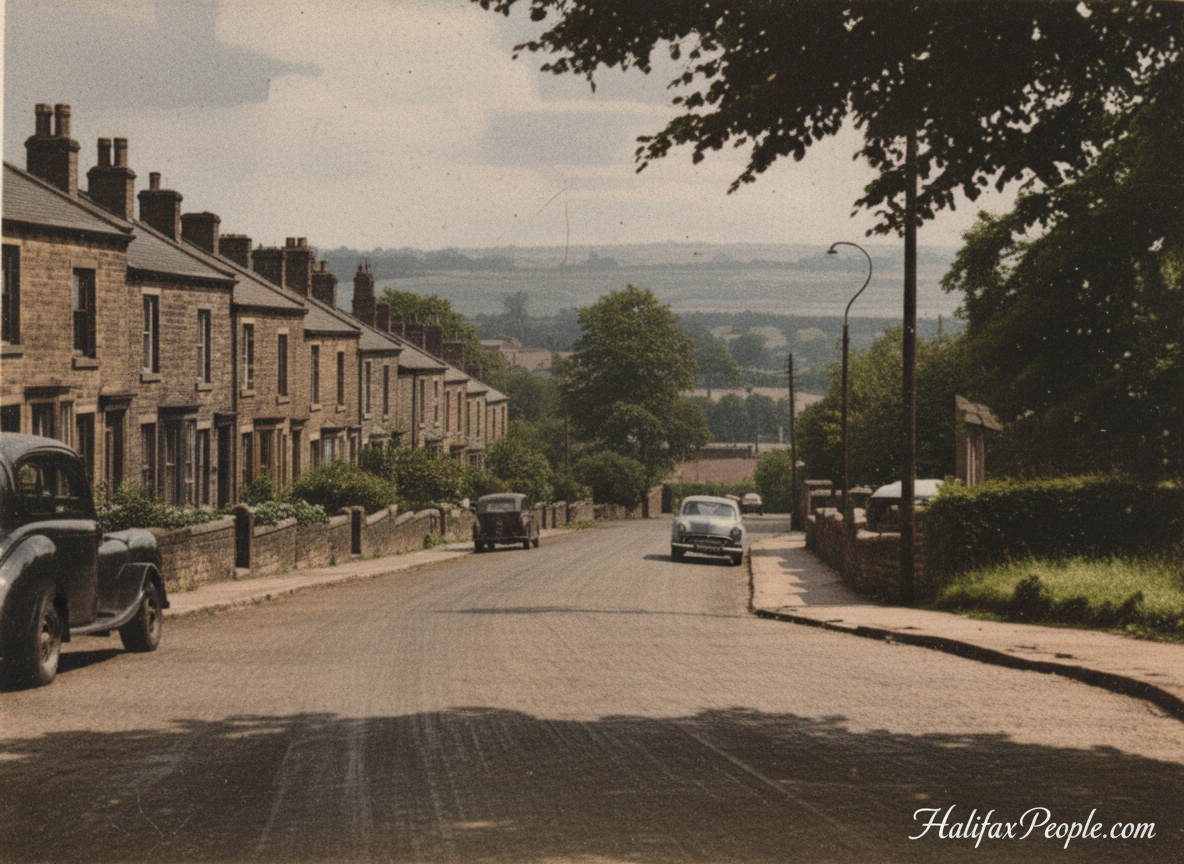
Clifton Hillside still retains wide stretches of open green space, even as other once semi-rural parts of the district have steadily been taken over by new building projects.
This photograph captures a bright view from Smithy Carr Lane, an important route linking Bradford Road with Lightcliffe Road. In the distance, the disused yet elegant railway viaduct near Thornhills can be seen, adding a distinctive landmark to the scene.


enhanced


enhanced


This view from the top of Clifton Common looks out over the valley where Brighouse sits below. On the right stands a building that was once described in an old article as a malt kiln, operated by someone known locally as "Spec".
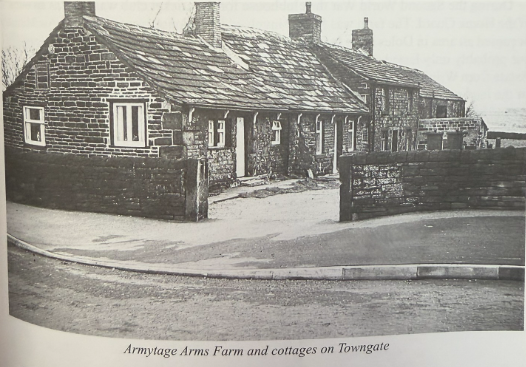
The structure ahead, now demolished, was an old building that had been listed as such. It is connected to the story that the upstairs was accessible only by ladder.
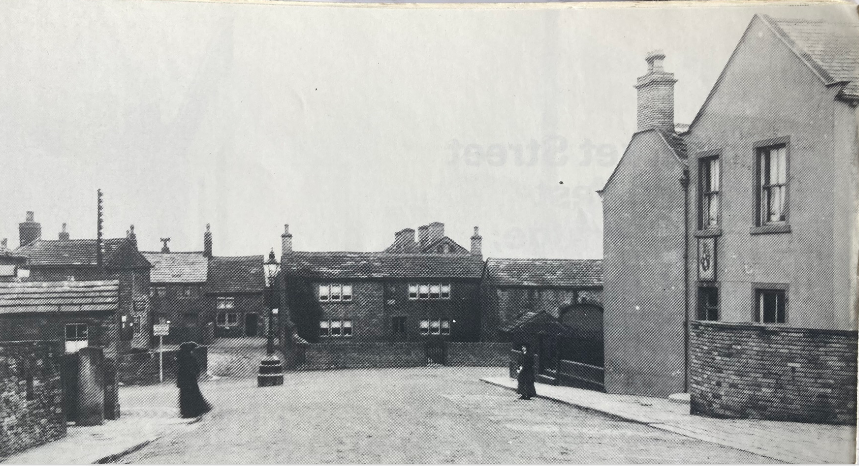
The old village hostelry, Armytage Arms, which has operated for many years as an inn. Generations of Ramsdens and others connected themselves to village life in many ways. Towngate leading off to the left in front of the pub.



enhanced

Clifton Cricket Club 1900 . They played on a ground behind the Armitage Arms enhanced


enhanced
  |
  |


enhanced


Sun Dial Cottage


Clifton Industrial Society


enhanced


from Halifax Courier 1920

Wakefield Road


enhanced


Woodhouse and Mitchell's works offices built 1897, on Wakefield Road as viewed in 2017 just prior to demolition. The date-stone of 1867 above the first floor office windows signifies the companies foundation date at Birds Royd, Rastrick prior to moving to these works at Clifton Bridge, Brighouse. The first floor contained two private offices, probably for the use of Richard Woodhouse and Samuel Mitchell. The ground floor timekeepers office windows face onto the roadside, general office and cashiers offices located behind this. The black door the offices entrance. The workmen's entrance was immediately to the left of the building but now demolished in this view. The building to the right of the offices with the green door was the former Robin Hood Inn.

 |
 |


Kirklees Hall


If you have enjoyed your visit to this website, please spread the word by clicking the 'like' and 'share' buttons below. Thank you