
Historic Savile Park
Free School Lane


🏫 Free School Lane & Heath Grammar — Halifax’s Oldest Seat of Learning
This 1950s newspaper snippet recalls the proud history of Heath Grammar School, founded in 1585 under a charter from Queen Elizabeth I. Built through the determination of Dr John Favour, the school opened in 1588 at a cost of just £120 — a remarkable feat for its time.
From its humble one‑room beginnings to the grand rebuilding of 1879, Heath Grammar has stood as a symbol of Halifax’s commitment to education. Even when the charity faced insolvency in the 1880s, local citizens rallied to save it — proof that Halifax never lets its heritage fade.


Heath Villas


enhanced

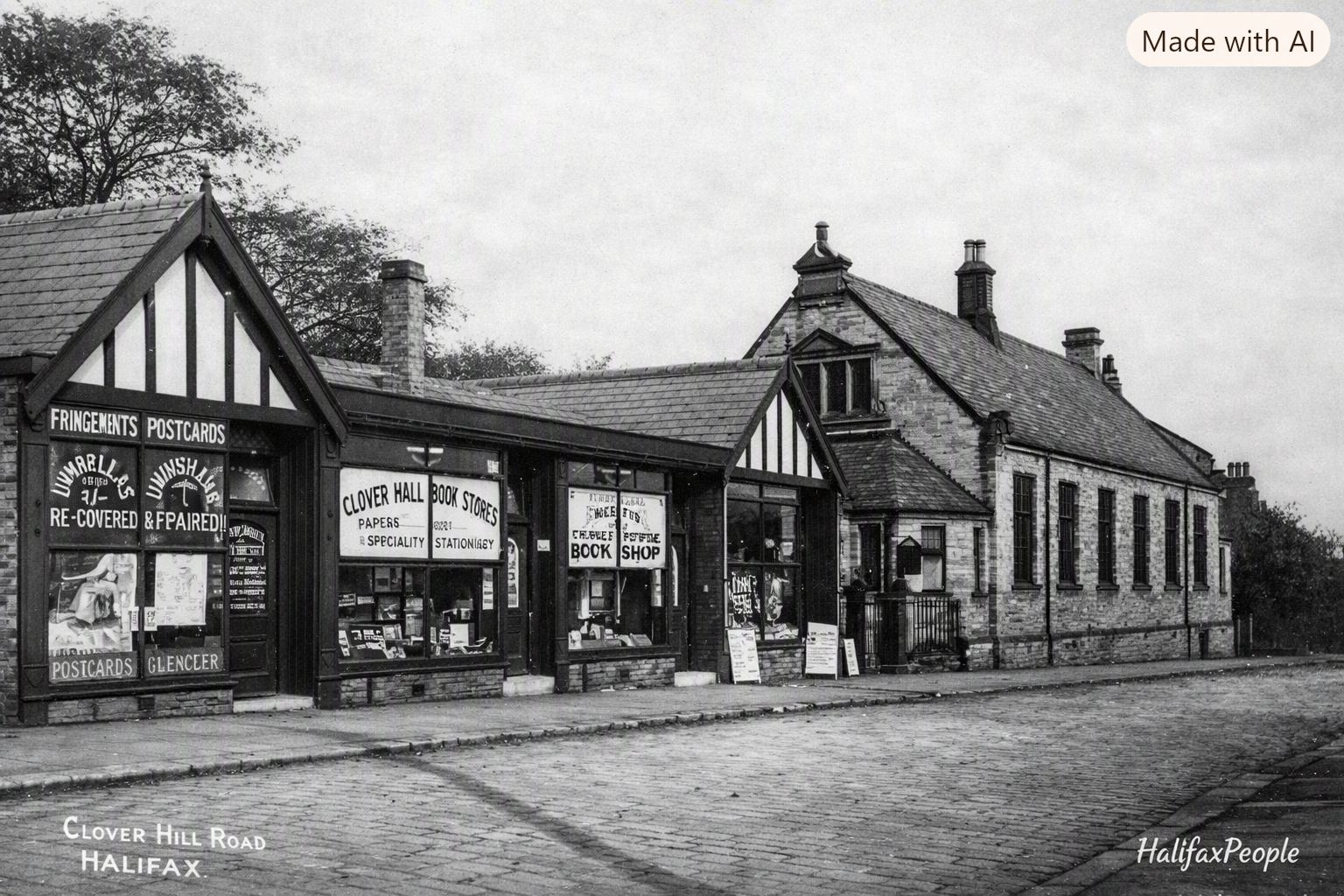
🏫 St. Jude’s Sunday School — A Cornerstone of Clover Hill Road
Many Halifax locals will recognise the short stretch of Clover Hill Road shown in this photograph — with the building in the centre standing proudly as the Sunday School of St. Jude’s Church.
Built in 1896, the school sits just a short walk from the church itself. When St. Jude’s was first established, there was no suitable plot beside the church for a school, so this site was chosen instead. Over the years, it has served not only as a Sunday school but also as a venue for countless parish gatherings and community events.
Few remember that, when plans for a church in this neighbourhood were first discussed, there was talk of building it right here on Clover Hill Road, fronting Free School Lane.
St. Jude’s Church itself was consecrated on November 13, 1890.

Clover Hill
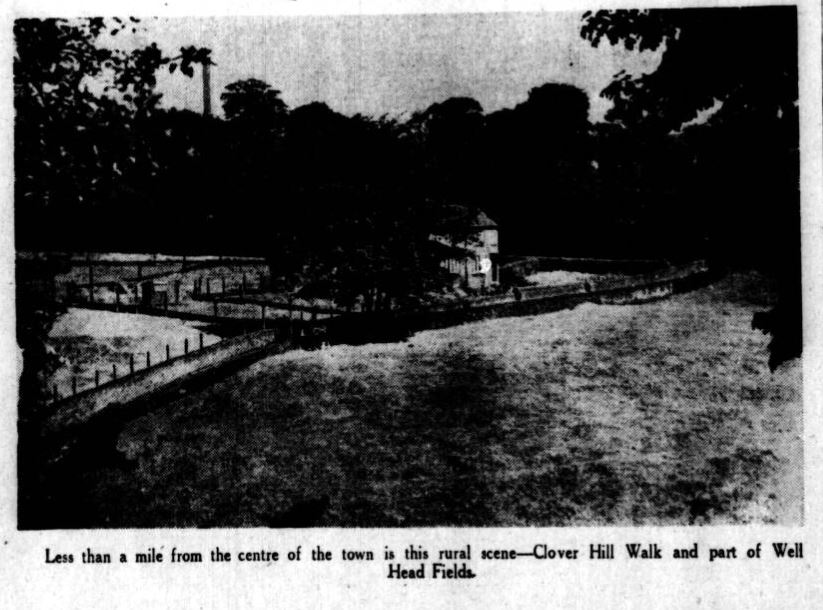
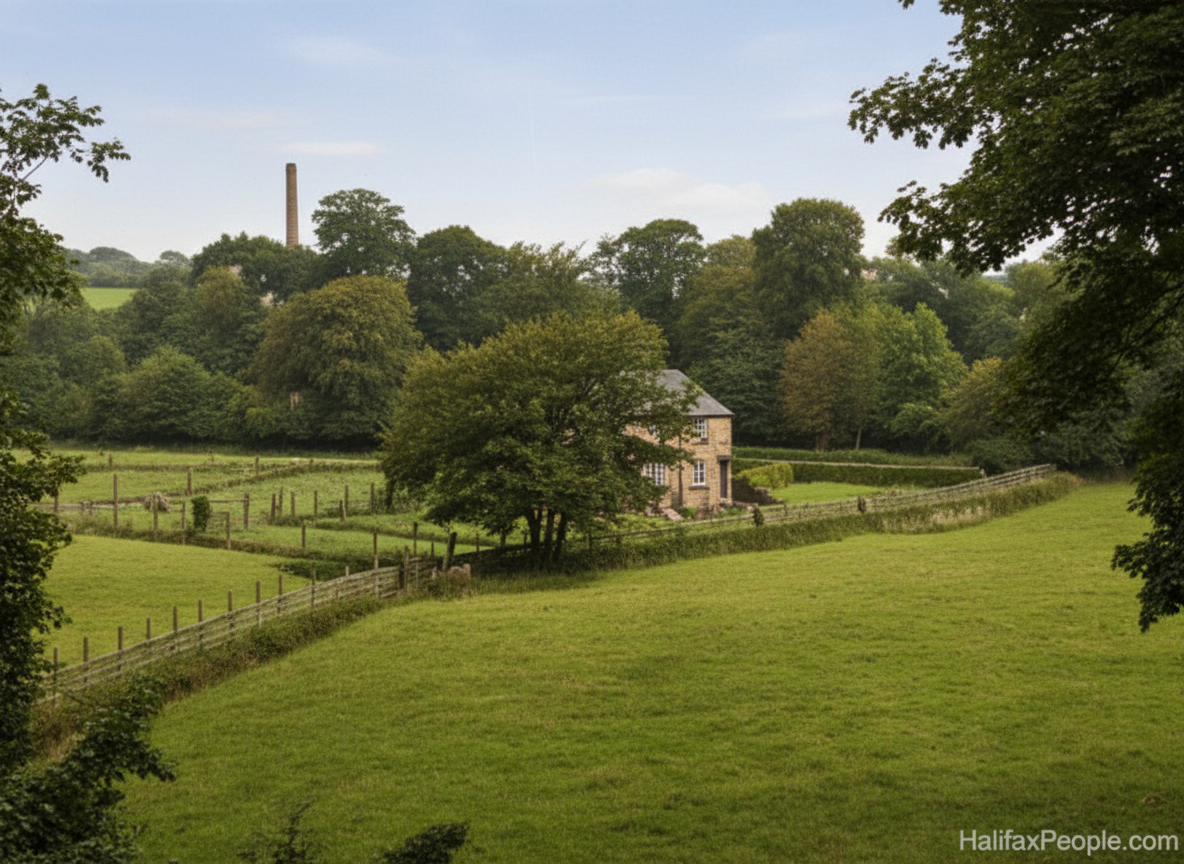
There was a countryside path between Clover Hill (just above the old infirmary) and Well Head (towards Savile Park). This used to be called Laver Hill from the Anglo-Saxon "laefer", a bullrush. F.A.Leyland wrote "We remember seeing bulrushes growing in the once swampy ground at the bottom of this hill". The name change apparently came when the Ordnance Survey Map was first published.


enhanced

🌳 Savile Park and Beacon Hill — Halifax’s Familiar View
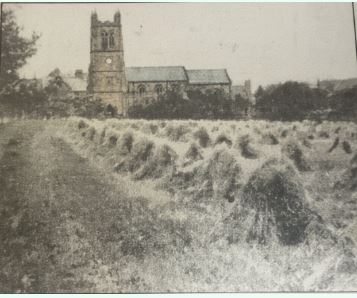
This evening’s picture captures a scene instantly recognisable to generations of Halifax folk — the broad sweep of Savile Park, looking towards Free School Lane, where St. Jude’s Church marks the beginning of the road.
The open expanse of the Moor stretches away to the right, a place where countless locals have strolled, played, and paused to enjoy the view. In the distance rise the gentle slopes of Beacon Hill, a landmark that has watched over Halifax for centuries.


Bell Hall Terrace
Saville Park



The Lodge

Read more >>>>>>>>>>>>


Birdcage Lane


Mackintosh Homes >>>>>>>>>
Horsfall Home for the blind

🕯️ The John W. Horsfall Home for the Blind — A Halifax Legacy of Compassion
The John W. Horsfall Home for the Blind on Savile Park stands as a lasting tribute to Halifax’s spirit of care and philanthropy.
It was Mr James Pearson, J.P., who first took steps in 1879 to form a Society for the Blind in Halifax. Decades later, in 1923, the trustees of the late Mr John W. Horsfall gifted £10,000 — a remarkable act of generosity that made it possible to create a home for the aged blind.
A site was purchased on Savile Park, featuring a fine building once used as a sanatorium for Crossley and Porter Schools. Adapted for its new purpose, the home was officially opened by Mr Percy Horsfall, continuing the family’s legacy of service.
Workshops for the blind were later added and expanded in 1931, ensuring that the residents could learn, work, and live with dignity and independence.


Purpose-built aerated water manufactory erected in 1892 for William Henry Horsfall in connection with a business he ran along with his brother, George, at the nearby Bowling Green Inn, beerhouse. The products included hop ales and were marketed under the trade name of the 'Big 6'. Later the premises were occupied by an electrical instrument maker, then by Process Units (Halifax) Ltd. The last occupant was Fred Moore Ltd., who carried our repairs to electrical appliances there. The site is now occupied by an apartment block. Photo. May 1975. Info by IHO

💧 The Travelling Fountain of Halifax — From Horton Street to Spring Edge
Few Haligonians today remember the early journey of the town’s famous Spring Edge Fountain, though its story mirrors Halifax’s growth and changing streetscape.
Originally erected in September 1884 by Mrs Leigh of Summerville in memory of her mother, Mrs Prescott, the fountain first stood proudly at the top of Horton Street. When trams began running along Horton and Commercial Streets, it found itself in the way of progress and was moved to King Cross in 1898.
There it remained until August 1932, when traffic once again dictated change. The fountain was relocated to its present home beside the children’s playground at Spring Edge, overlooking Savile Park — a peaceful spot far removed from the bustle of Halifax’s main roads.
Now, after more than sixty years of movement, it stands quietly as a reminder of how the town has evolved around it — a monument to both memory and motion.


If you have enjoyed your visit to this website, please spread the word by clicking the 'like' and 'share' buttons below. Thank you