The Julia Varley Story
The Julia Varley Story
Halifax Workhouse, Gibbet Street – The Woman Who Went Undercover as a Tramp
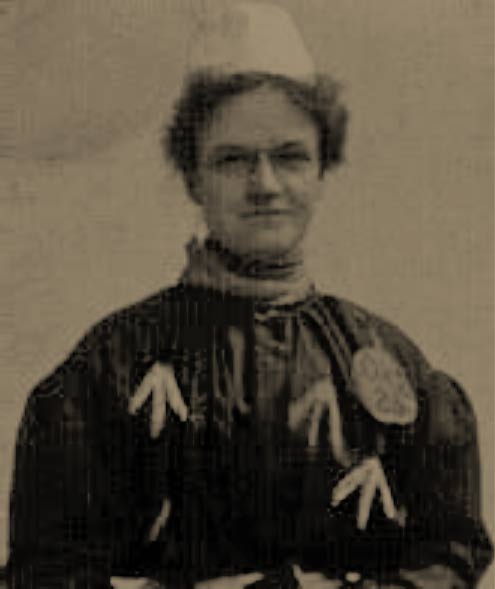
In the summer of 1904, a woman dressed in shabby clothes and wearing down-at-heel boots walked into Halifax's workhouse on Gibbet Street. She gave her name as Maggie Ann Thompson and said she was a destitute traveller looking for somewhere to spend the night.
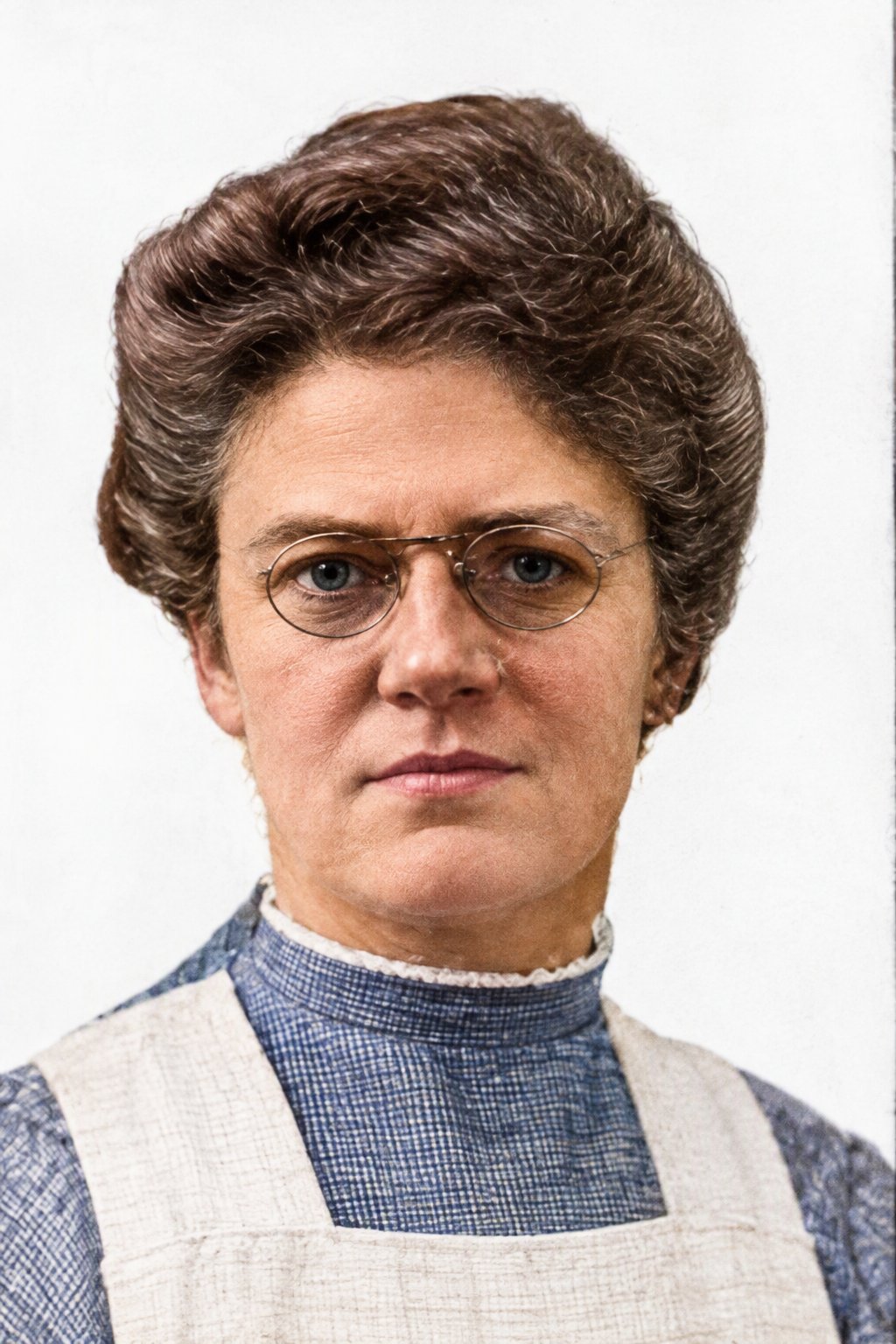
She was not quite what she appeared to be. The woman was Julia Varley, a trade unionist and former member of the Bradford Board of Guardians. She had decided to find out for herself how women were treated in the workhouse casual wards – the places where homeless travellers, known at the time as tramps, could obtain temporary shelter.
Her account of what happened in Halifax provides an unusually personal glimpse inside an institution that had stood on Gibbet Street for more than sixty years.
Why Halifax needed a new workhouse
Before the new Poor Law system, responsibility for looking after the poor was divided between individual townships and parishes. In 1838, the Halifax Poor Law Guardians considered reports on fourteen local workhouses. The number of inmates recorded in these institutions was 231, and the Poor Law Commissioners had criticised some of the buildings as unfit for human habitation.
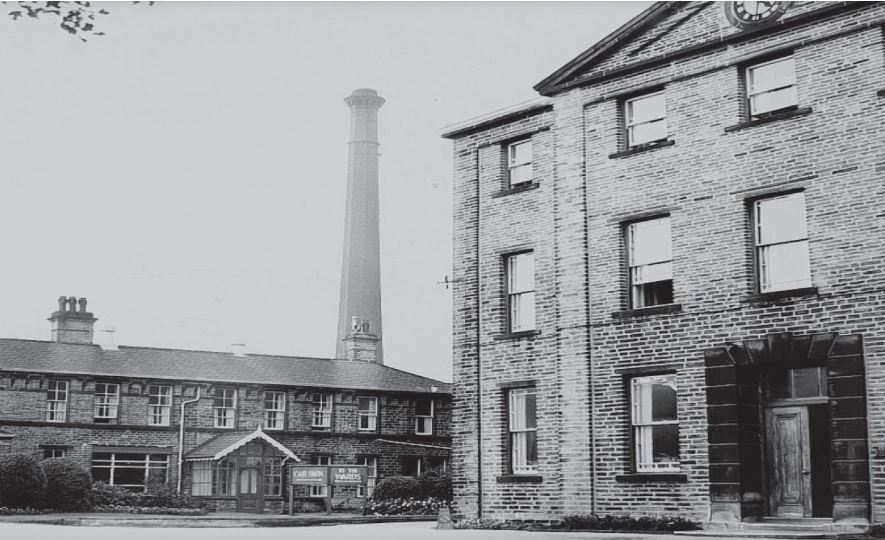
The Halifax Union had been officially formed in February 1837, bringing together a number of surrounding townships. On 27 July 1839, the Guardians decided to build a new central workhouse. Land was purchased between Gibbet Street and Hanson Lane, on the western side of Halifax.
The new institution opened on 25 March 1840. It cost approximately £12,000 and was initially designed to accommodate around 400 people.
It was a substantial establishment, with separate accommodation for men and women, and a system intended to regulate almost every aspect of the inmates' lives.

A building designed to separate people
The main workhouse was arranged around a central octagonal space, with four wings radiating outwards in a cruciform layout. The entrance was on the southern side of the site.
There were also hospital and infirmary buildings at the rear. The medical accommodation was altered and expanded in 1869, when new pavilion wards and a fever ward were added.
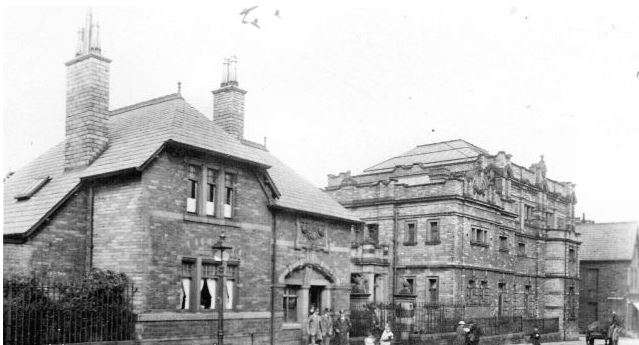
In 1895, new casual wards for vagrants were constructed on the western side of the site. These were the facilities Julia Varley would visit nine years later.
The workhouse was not the same as the later Halifax Union Infirmary at Salterhebble. That was a separate hospital development, built between 1897 and 1901 to provide much greater medical accommodation.
Julia Varley arrives in Halifax
Varley had set out to experience the casual ward system at first hand. She travelled in old clothes, carrying a small basket and goods she hoped to sell on the road.
On her Halifax journey she had lavender flowers and envelopes, making up eight small packets which she intended to sell for a penny each. She also carried tissue paper and materials for making paper flowers.
She walked from Bradford to Halifax, a journey that took her about four hours. Her boots were old and worn down at the heels, and by the time she reached the workhouse at seven in the evening she was tired.
She found herself the only woman waiting to enter, alongside about five men. Each traveller had to pass through the lodge individually and give their name, age, last occupation, destination and place of departure.
The tramp master gave her a little advice. His message was that she should get off the road as soon as possible.
She was then directed across the yard to the female wards.
Supper, a bath and a cold night
Varley was placed in a receiving ward, where another woman questioned her about her journey. She discovered that her companion was travelling towards Oldham and knew the casual wards in the surrounding districts.
Their conversation was interrupted by supper.
An old man brought her a thick slice of dry bread and a tin containing about a pint of gruel. It was thick, sweetened with treacle and, in her opinion, much too sweet. She managed only a few spoonfuls.
Later, the tramp mistress took her to the undressing room and instructed her to remove her clothes before bathing. Varley described having to cross a cold concrete floor with bare feet to reach the bathroom.
An attendant watched while she washed her hair. She was given a previously used towel, a nightdress she considered unclean and three rugs before being shown to her cell.
Her own clothes were left outside the door, which was latched from the outside.
The bed was low, with a closely woven wire surface. During the night she woke feeling extremely cold and found that the rugs did little to keep her warm.
Julia Varley enhanced
The workhouse's morning task
When the door was unlocked, Varley dressed and went into the day room. Her fellow female inmate was smoking a short clay pipe while waiting for breakfast.
Breakfast was much like the previous evening's meal: more very sweet gruel and dry bread.
But the morning was not simply a matter of eating and leaving. Varley was given work to do.
She was instructed to wash out the baths, clean the pipes and taps, wash the bathroom floor, sweep the two cells, and clean the corridors and waiting rooms.
She could find no soap. Instead, she had to use bathbrick – an abrasive cleaning material – to scrub the copper pipes.
She was so dissatisfied with the result that she cleaned them twice.
While she was sweeping, a man was sent in to whitewash beneath the baths. Varley remembered hearing him singing as he worked, moving between hymns and popular songs of the day.
Eventually the attendant returned and told her she could go. She collected her clothes and was discharged at about ten o'clock in the morning.
She had spent approximately fifteen hours inside the Halifax casual ward.
What the visit revealed
Varley's account was not a description of the ordinary life of every person in the workhouse. She had deliberately entered the casual ward as a traveller, and her experience was a short stay rather than a long-term admission.
Nevertheless, it is valuable because it records details that official building plans and committee minutes cannot show: the food, the bathing arrangements, the bedding, the cold, the cleaning work and the questions asked of people seeking shelter.
Her journey also illustrates the difference between the casual ward and the main workhouse. The casual ward offered temporary accommodation to people travelling without a home, but shelter came with strict routines and compulsory work.
Varley continued her journey after leaving Halifax, heading towards Todmorden. She later published her experiences in a series of articles in the Bradford Daily Argus.
The later history of the Gibbet Street institution
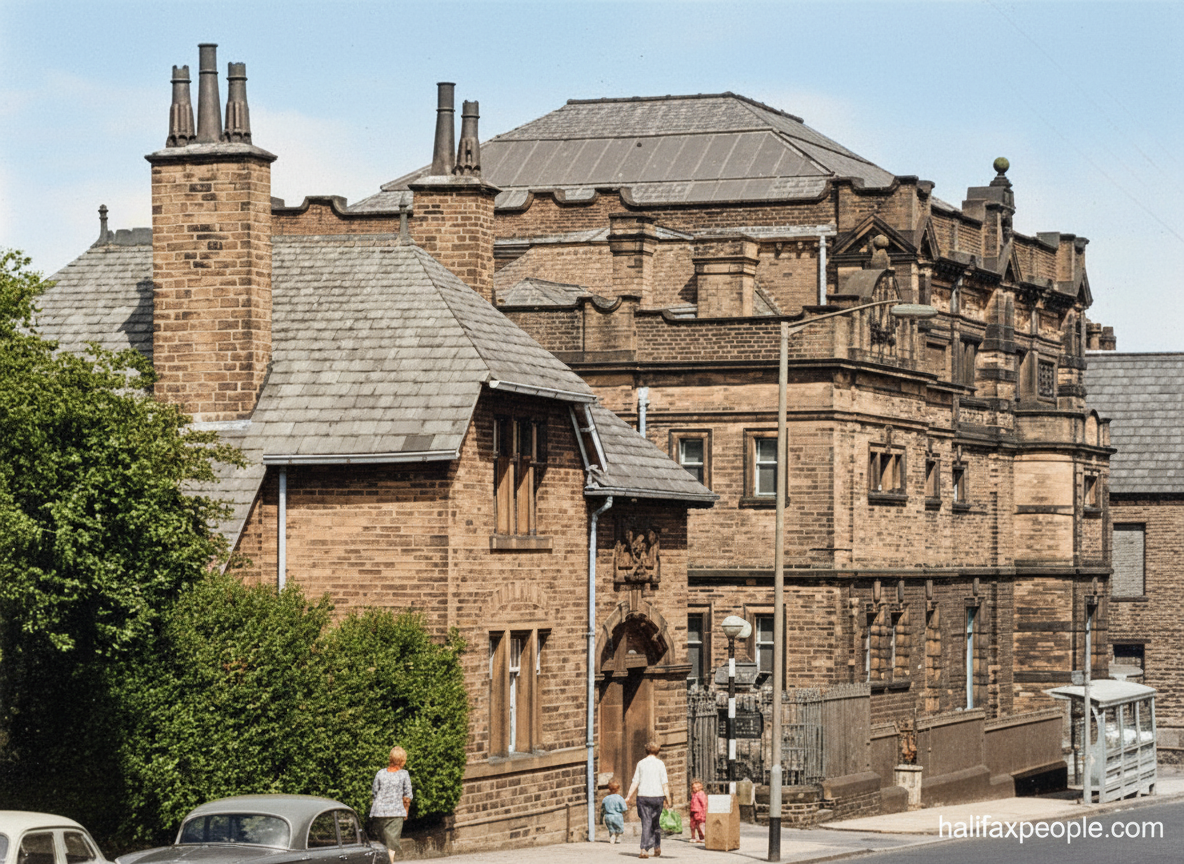
The workhouse continued to develop after Varley's visit. New offices and a porter's lodge had been built on Gibbet Street by 1905.
The Poor Law system itself eventually came to an end. Under the Local Government Act 1929, Boards of Guardians were abolished and their responsibilities transferred to local authorities in April 1930.
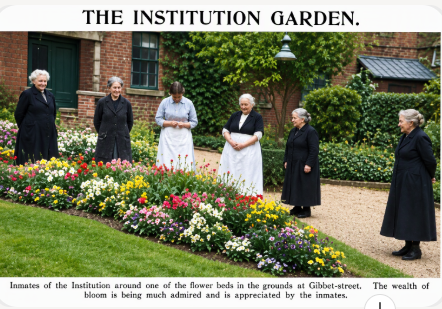
The Gibbet Street site subsequently became known as St John's Public Assistance Institution. It remained in use for a time as an old people's home, but the old workhouse buildings eventually disappeared.
The buildings were demolished in 1972, leaving little visible trace of the institution that had once dominated this part of Halifax.
The story of Julia Varley gives us a different way of remembering the place. Instead of seeing only a large Victorian building, we can picture the people arriving at its gates: the men waiting in the passage, the women in the receiving ward, and a tired traveller called Maggie Ann Thompson, who was there to discover what happened to those who had nowhere else to go.
If you have enjoyed your visit to this website, please spread the word by clicking the 'like' and 'share' buttons below. Thank you