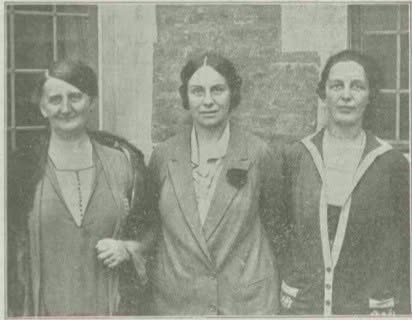
Laura Annie Willson
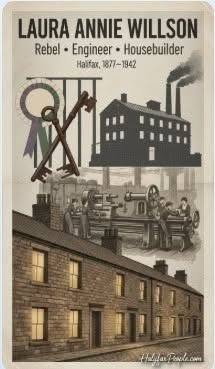
Laura Annie Willson
She Went to Prison for Her Beliefs — Then Helped Build a Better Halifax
At just 10 years old, Laura Annie Buckley was working in a Halifax textile mill. As an adult, she challenged male judges, went to prison for her political activism, helped women enter engineering — and built homes designed to make working-class families’ lives better.
Her story is extraordinary. And it began right here in Halifax.
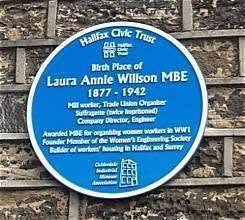
Born in Halifax in 1877, Laura grew up in a working-class family and began factory work as a child. She later became involved in trade unionism and the campaign for women’s rights.
In 1907, she was arrested after supporting a weavers’ strike in Hebden Bridge. At court, she challenged a system in which women could neither sit as judges nor represent defendants as lawyers. She demanded to be tried by women or represented by a female lawyer — a demand the legal system could not meet.
She was sentenced to 14 days in prison.
On her release, she reportedly declared: “I went to gaol a rebel, but I have come out a regular terror.” It was a fitting line for a woman who refused to be quiet.
She didn’t stop at the suffrage movement
Laura was arrested again following a suffragette rally in London. But campaigning was only one part of her life.
During the First World War, she helped run the Halifax engineering firm Smith, Barker & Willson, which manufactured machinery and munitions. She supervised women workers and helped establish a works canteen to improve their welfare.
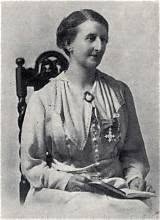
In 1917, she received an MBE for her contribution to women’s work in munitions.
When the war ended, many women were pushed out of industrial jobs to make way for returning servicemen. Laura continued fighting for women’s right to work in engineering and, in 1919, became a founding member of the Women’s Engineering Society. She later served as its president.
From campaigning to building homes
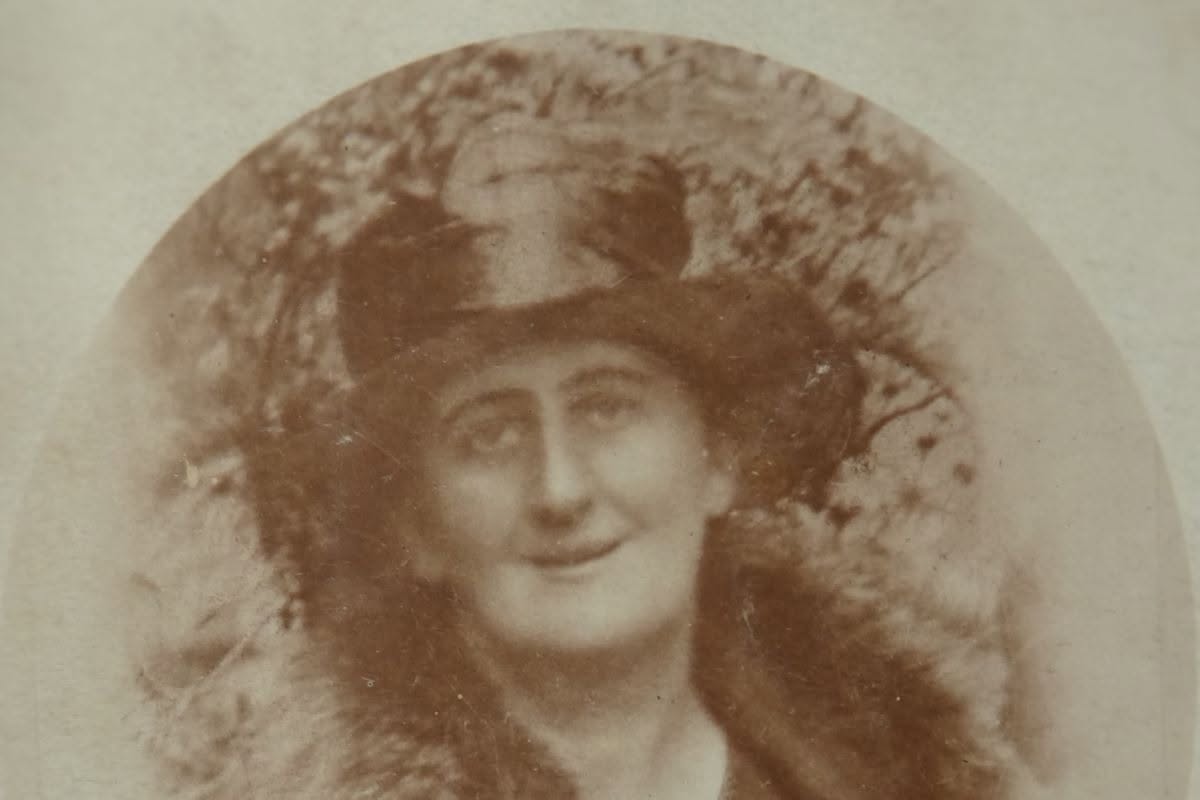
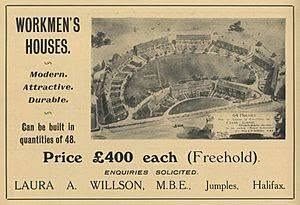
Then came another unexpected chapter. Laura believed working people deserved better housing, so she became a housebuilder.
She helped design and build affordable homes in Halifax and surrounding areas, with practical features intended to improve everyday life. Her work included housing developments in Ovenden, Luddenden Foot and Sowerby Bridge.
She also championed electricity and labour-saving technology in the home — ideas she believed could ease the burden of domestic work, particularly for women. She became the first woman member of the Federation of House Builders.
Laura Annie Willson died in 1942. Today, her achievements deserve to be remembered not just as part of the history of women’s rights, but as part of Halifax’s own story: a local girl who challenged the rules, then set about changing the world around her.
Have you heard of Laura Annie Willson, or do you live in one of the housing areas connected with her work? Tell us in the comments.
If you have enjoyed your visit to this website, please spread the word by clicking the 'like' and 'share' buttons below. Thank you