Mine's A Pint - Lower George Hotel

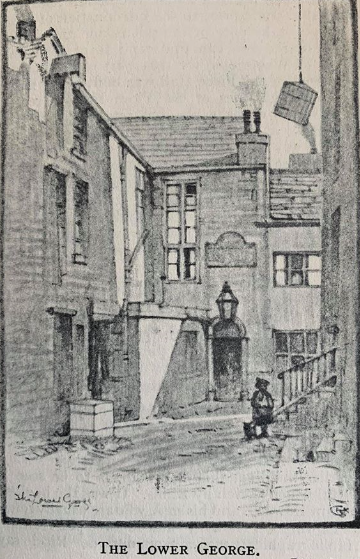
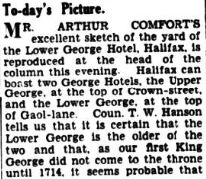
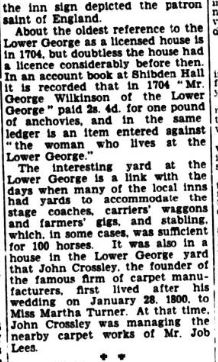
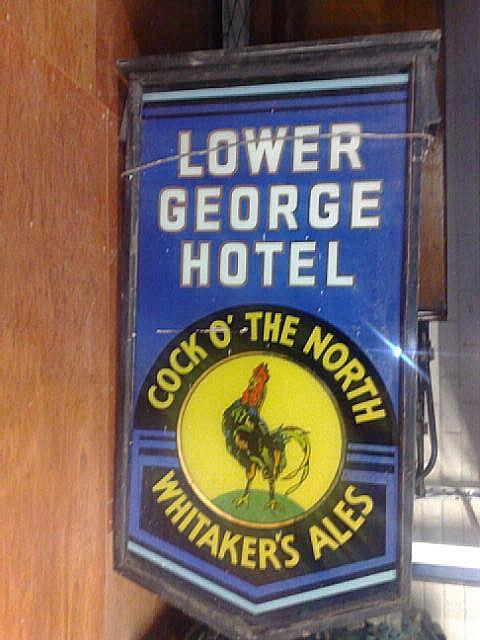
Lower George Hotel was positioned half way down Gaol Lane and to the right. It also had a passage through to Woolshops, but no entrance directly from Woolshops. A very busy shopping district as you entered the town from the east. The building was first mentioned in 1704 but may have been in business before that. It was an ideal meeting place for trading merchants and manufacturers here to sell their goods.
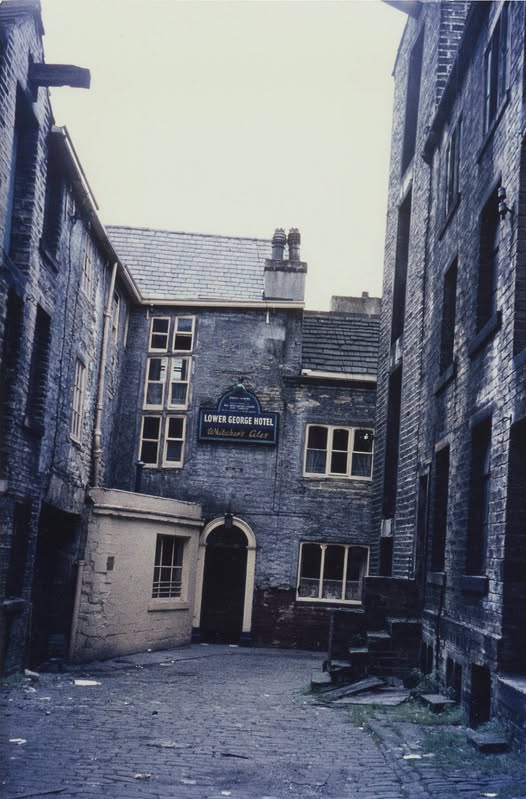
It was named 'Lower George' as opposed to the 'Upper George', which was already doing business further up town. In its hey day, there was room for 60 horses at the stables, which made it a major hub for transport and logistics.
The white part of the building were the toilets, no lights to see what you needed to see!
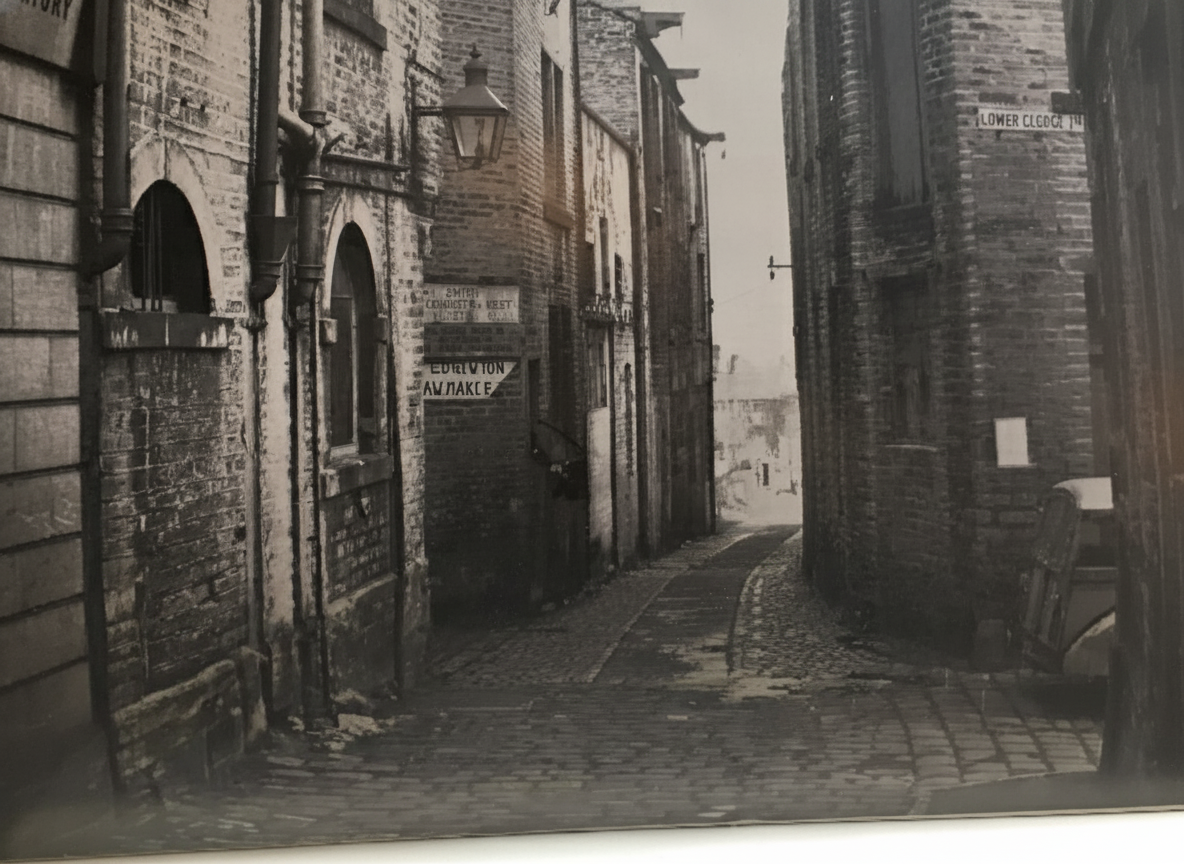
Gaol Lane with the Lower George Yard to the right
The yard as a lived-in place — work, storage, and everyday movement through the Woolshops back lanes.
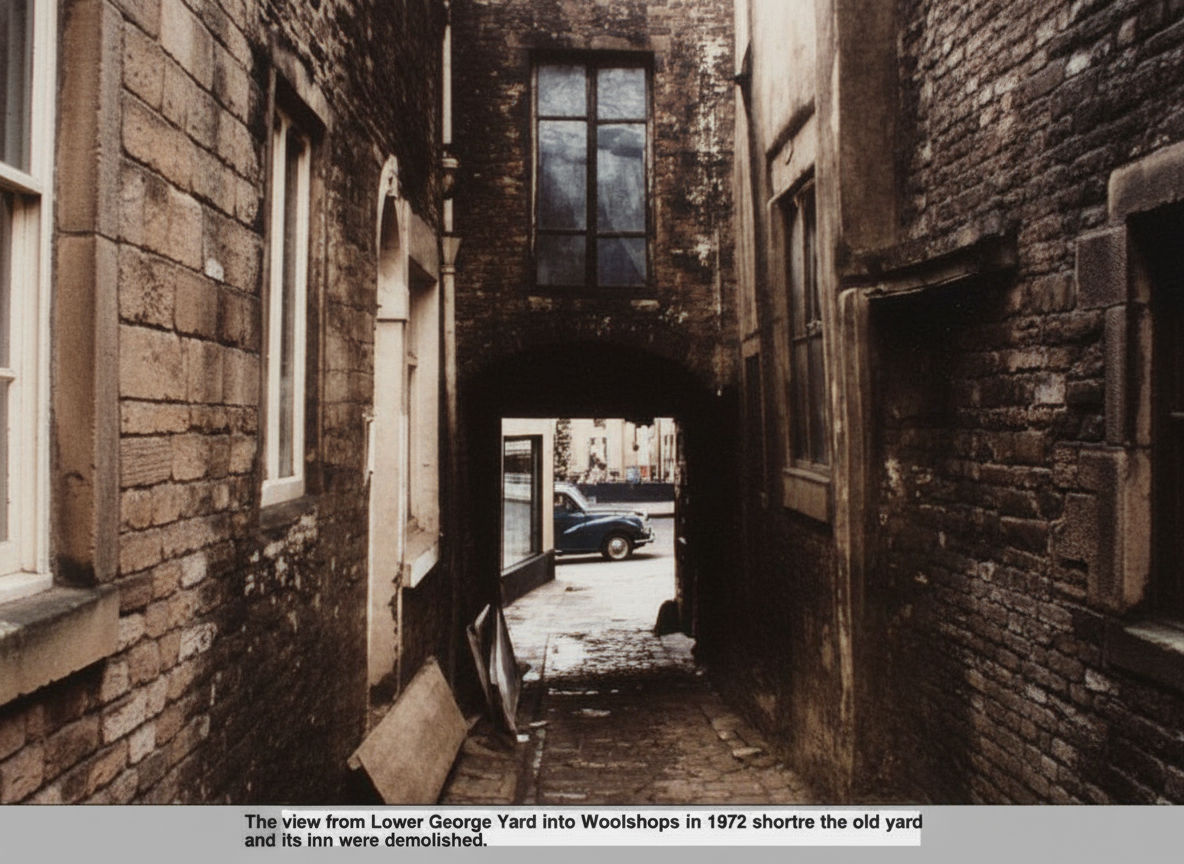
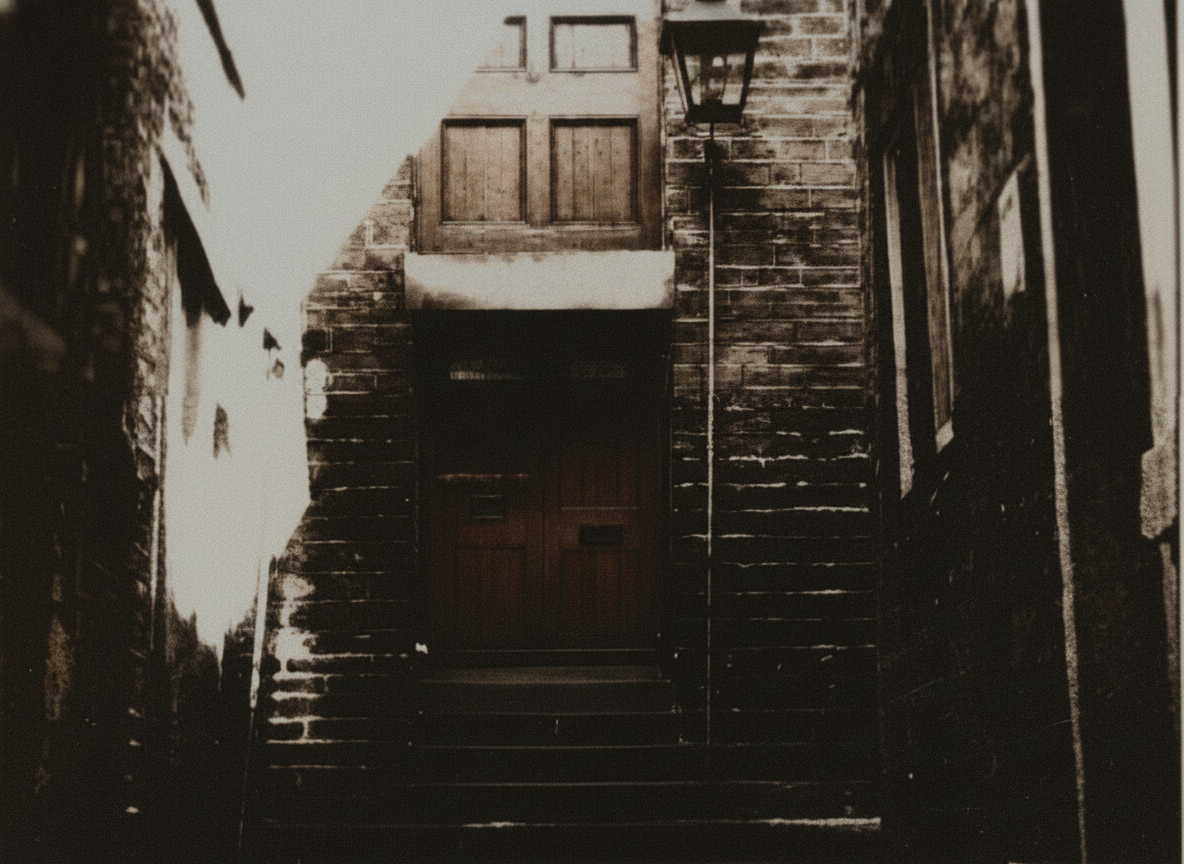
Looking from Lower George Yard toward Woolshops — a narrow, enclosed working space with tall walls and a glimpse of later-period traffic. Yards like this were often hidden from the main streets, but they connected the public-facing shops to the working infrastructure behind them.
  |
  |

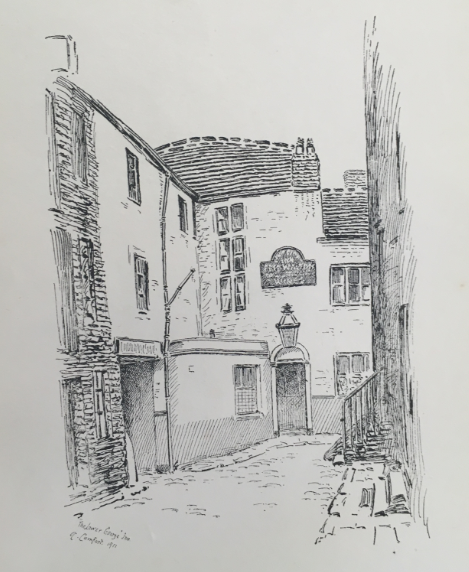
Looking from the pub towards Gaol Lane
Practical town-centre architecture: arched openings, heavy stone details, exposed services, and cobbles — built for use, not show.
By the late 20th century, Halifax — like most towns — reshaped its centre around larger retail footprints, cleaner access routes, and new development patterns. Older yards and tight courtyards were often seen as difficult to modernise, even when they were full of history.
Lower George’s demolition (noted as 1972) sits right in that era of change. The town centre continued — but the texture of the place (cobbles, archways, hidden yard life) largely disappeared.
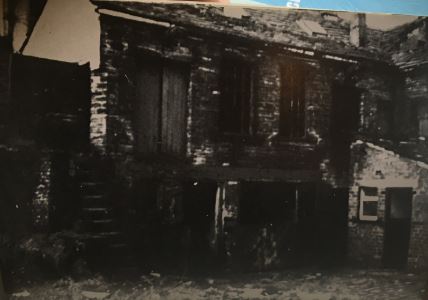
Lower George Yard (often shortened locally to “Lower George”) sat in the Woolshops area of Halifax — a tucked-away, working courtyard that supported the town centre for generations. It wasn’t a grand “single landmark” as much as a useful place: a back-of-house yard for movement, storage, stabling, and everyday trade.
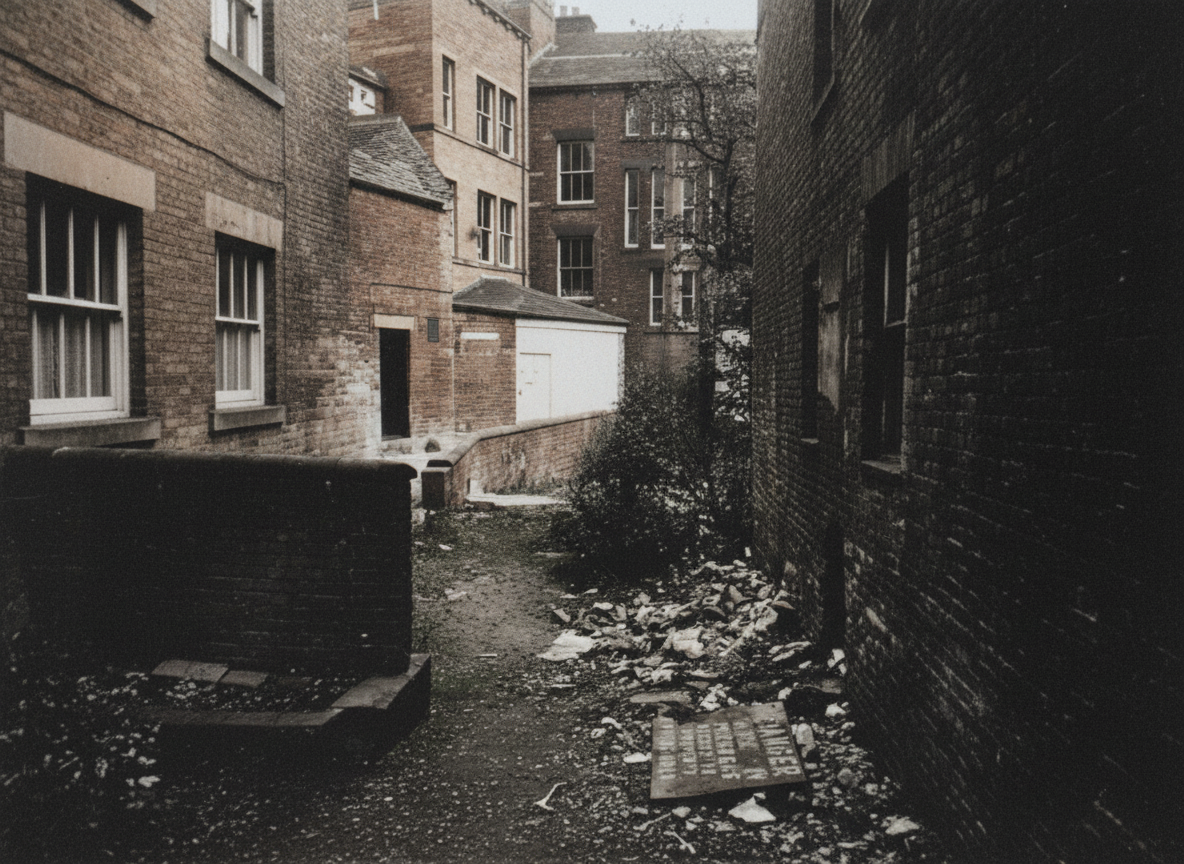
The Yard in its latter days
If you have enjoyed your visit to this website, please spread the word by clicking the 'like' and 'share' buttons below. Thank you