Rawson Street and Powell Street
Rawson Street and Powell Street

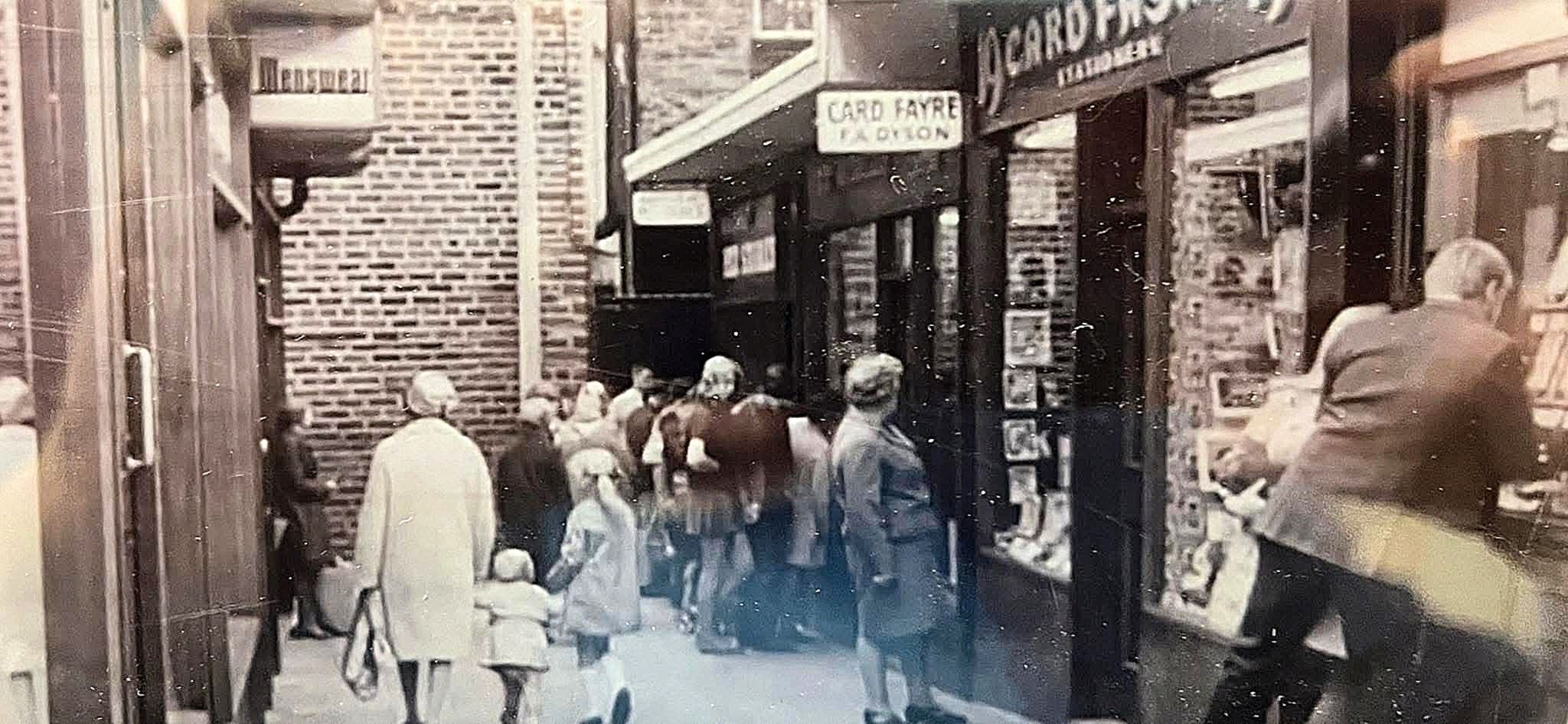

Rawson Street Arcade

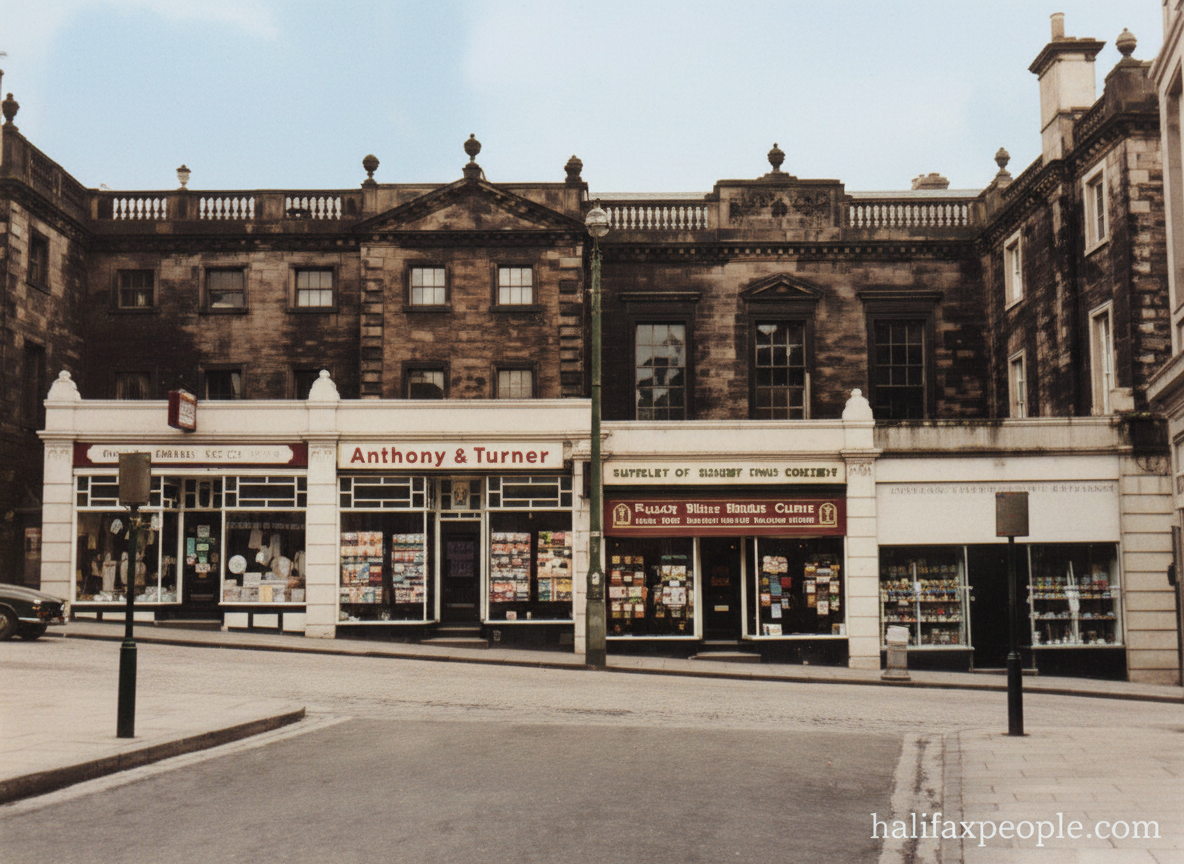
digitised
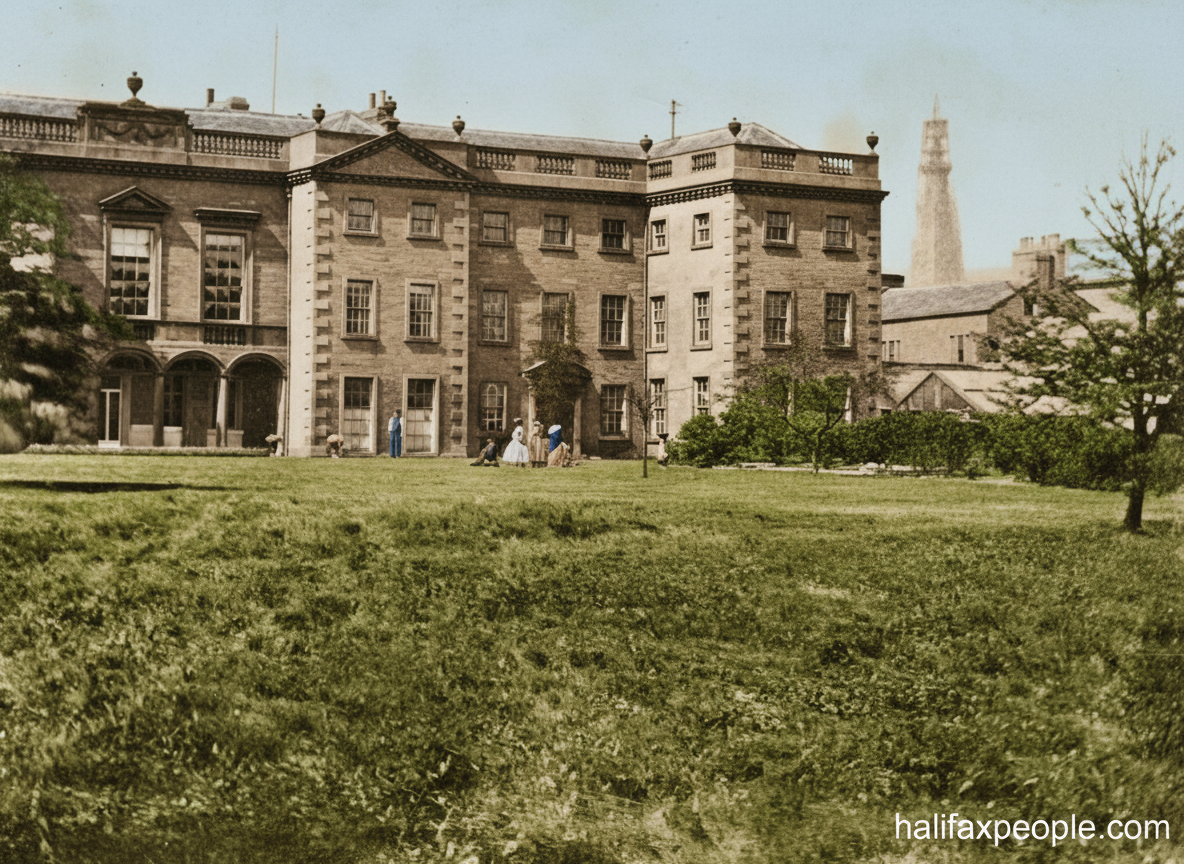
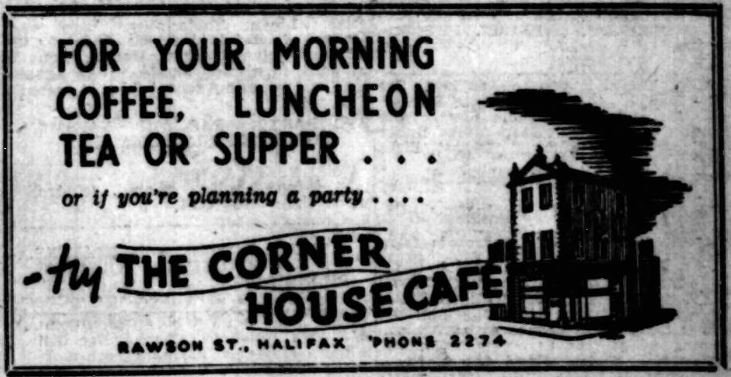
Partially hidden by shops in this picture, Somerset House was the finest mansion in town when it was erected in the 18th century. Designed by the great John Carr, of York and was residence of the Royds family, who were merchants in Halifax and London. On the site where Rawson Street and Powell Street now stand, there were formerly extensive grounds for the house to look out on to.
Rawson Bank used the house at one time and later the Halifax and Huddersfield Union Bank had their offices there until the Commercial Street premises were erected.

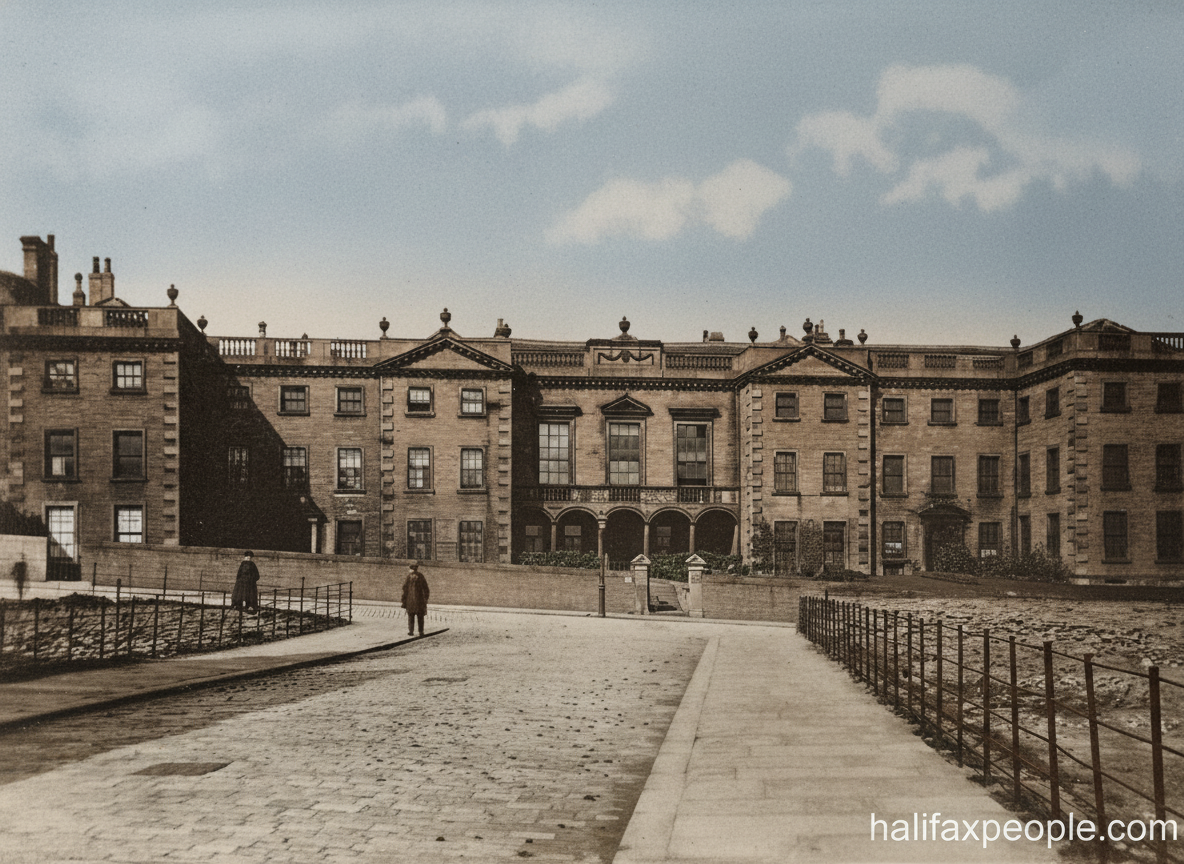
digitised

Somerset House, originally known as Royds' House, was built in 1766 for John Royds, a prosperous local woollen merchant, with interests in transport, banking and insurance. The house was designed by John Carr of York, who was also responsible for Harewood House, Leeds, and was built in 1766.
The Grand Salon, which can be booked for private hire, was decorated with fine rococo plasterwork by Guiseppe Cortese, which is reputed to have taken ten years to complete and remains intact even today.
The Royds of George Street, Halifax – And a Royal Visit to Remember
By Harry Facks (adapted from T.W. Hanson’s original columns)
You wouldn’t believe the stories tucked away in Halifax’s grand old houses. Take Somerset House on George Street, for instance—often called the finest Georgian mansion in town. Built by John Carr, a famous Yorkshire architect, it was home to the Royds family until 1815. The Royds weren’t just wealthy landowners—they were movers and shakers, with their hands in everything from the local cloth trade to grand London ventures.
John Royds, the second son of the family, made his fortune at Soyland and built up Somerset House as a symbol of success. By the late 1700s, the Royds had become one of Halifax’s most prominent families, with connections stretching all the way to Bucklersbury in London.
But the Royds’ story isn’t just about business and beautiful buildings. Somerset House was the scene of one of Halifax’s greatest social events—the visit of Christian VII, King of Denmark, in September 1768. Imagine the excitement as the King’s entourage arrived from Leeds: six post-chaises, each drawn by four horses, and a whole retinue of post-coaches and servants on horseback. The mayor, aldermen, and local dignitaries were out in force to greet him.
The King, after a quick refreshment, was shown around the Cloth Hall, where he admired the vast quantities of cloth on display and exchanged pleasantries with the townsfolk. The crowds were thrilled—some even cheered in French and Danish! After his tour, the King’s blue-trimmed carriage whisked him away to Manchester and Liverpool, leaving Halifax with a story to tell for generations.
And if you think that was the only excitement on George Street, think again. The Royds family were famous for their hospitality and their grand gatherings, with Somerset House decorated in the finest Georgian style—rumoured to have cost over £20,000 (a fortune in those days!).
So next time you stroll down George Street, picture the scene: elegant carriages, a royal visitor, and the Royds family at the heart of Halifax’s golden age.

In 1807 William and John Rawson bought the house to use as banking premises, an enterprise which continued in various guises culminating in the Halifax & Huddersfield Union Bank in 1882, subsequently taken over by Lloyds Bank in 1919.

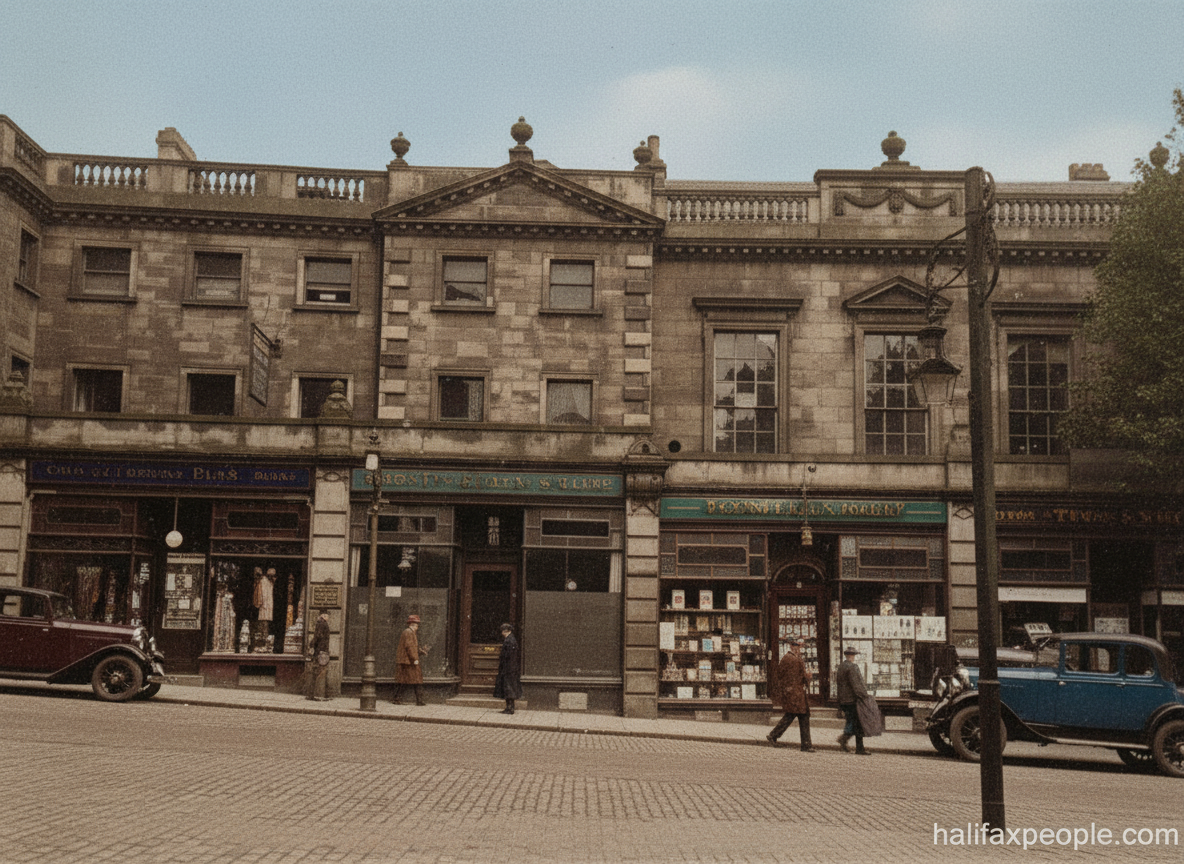
digitised

The bank remained at Royds' House until 1897-8, when new premises were built on Commercial Street involving the demolition of the eastern five bays of the house. Royds' House was sold to Mr J H Finlinson, general manager of the bank from 1884-97, who renamed it Somerset House.
The house is a Grade II* listed building and, following restoration and the removal of a parade of shops on Rawson Street, which had obscured the view, it was reopened in 2008.

digitised

digitised

Powell Street


Tramways sign on Powell Street

If you have enjoyed your visit to this website, please spread the word by clicking the 'like' and 'share' buttons below. Thank you
Are you wanting to find information on a specific Halifax subject? Search here