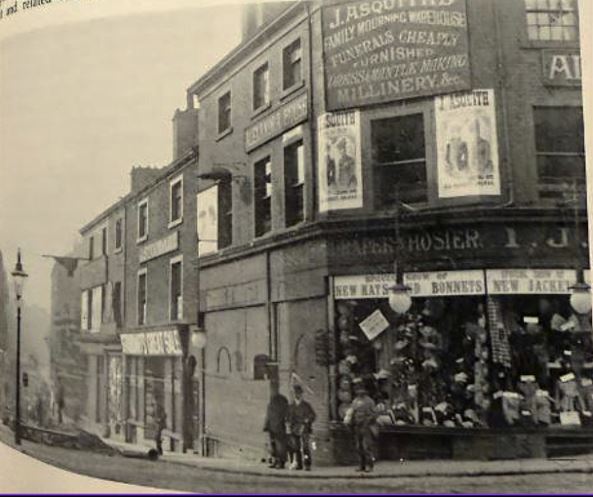
Union Street, Market Street
Union Street South, Halifax: The removal men who kept the town moving
Union Street South is the continuation of Union Street towards Prescott Street and Hunger Hill. Its history is less about grand civic buildings than about the businesses and working families that made everyday life in Halifax function. One of its most memorable stories belongs to a local family whose vehicles were a familiar sight for generations.
Three generations of house removers
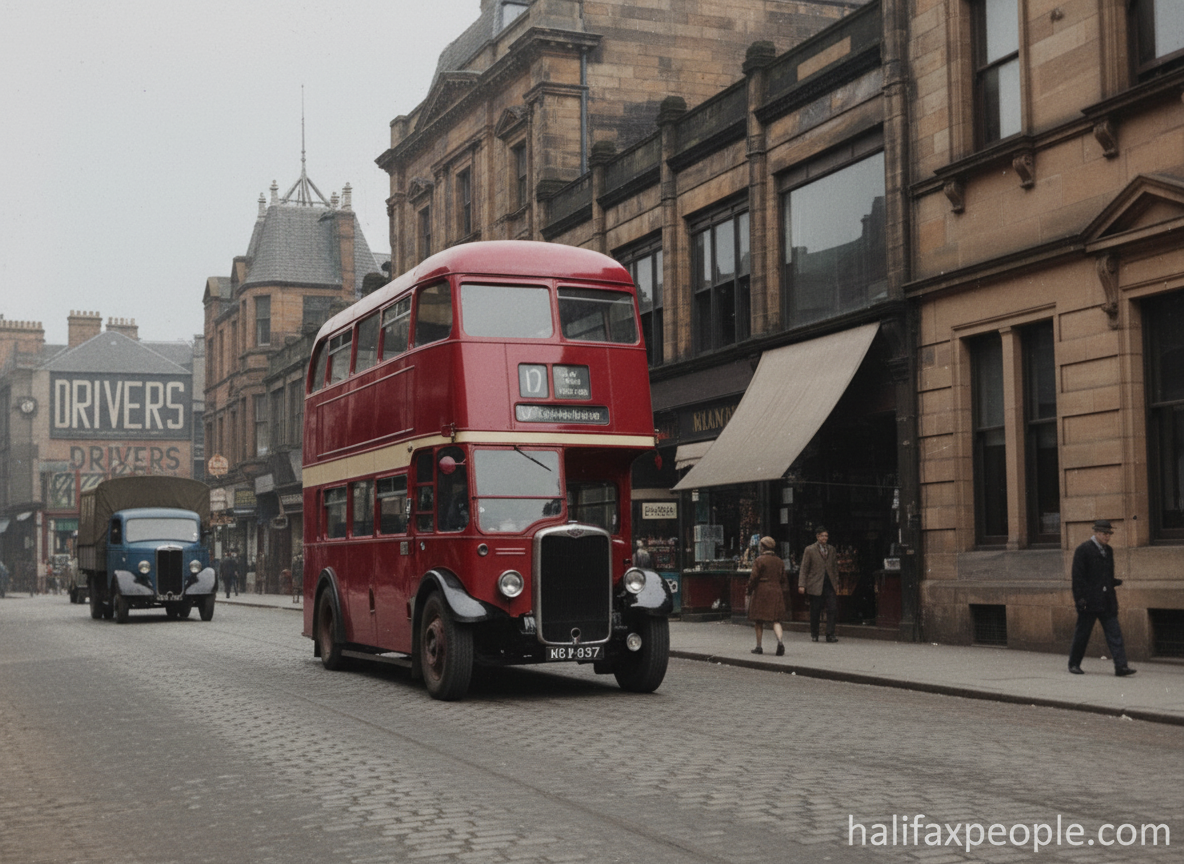
The Short family’s removal business became a long-running fixture on Union Street South. T. E. Short and his four sons helped Halifax families move house for more than six decades. The business began during the First World War and continued until 1982, with three generations of the family involved. Its vehicles carried furniture and household possessions between homes at a time when moving house was a much more hands-on undertaking than it often is today.
The family’s story gives the street a distinctly personal history. A removal firm was not just another shopfront: it was involved at moments of change in people’s lives, from setting up a first home to moving an established household across town.
A street in transition
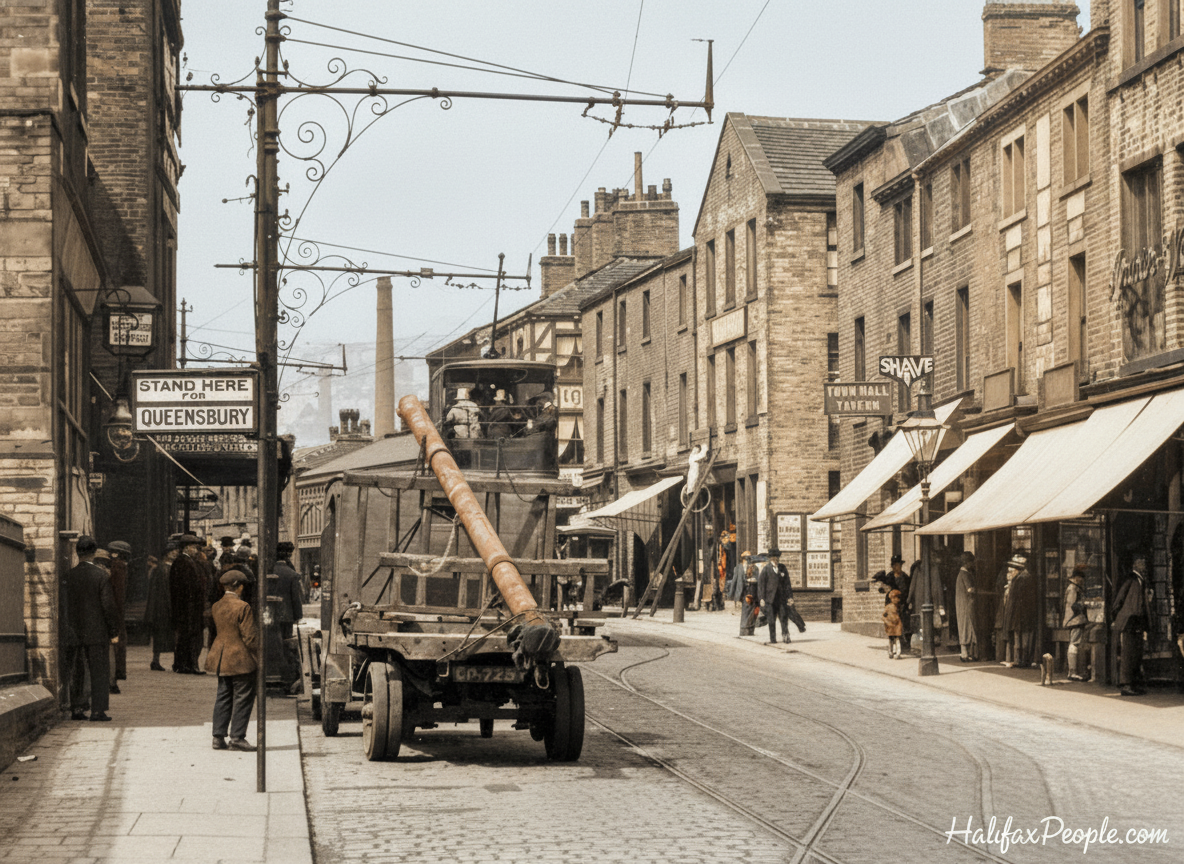
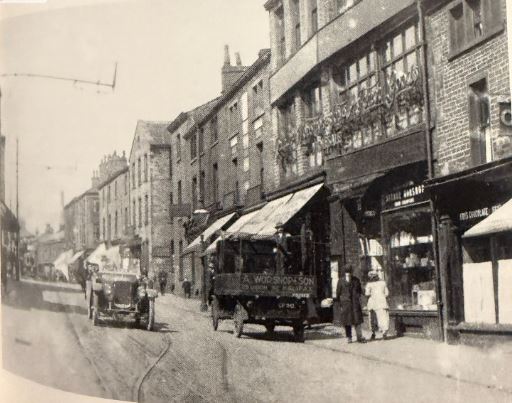
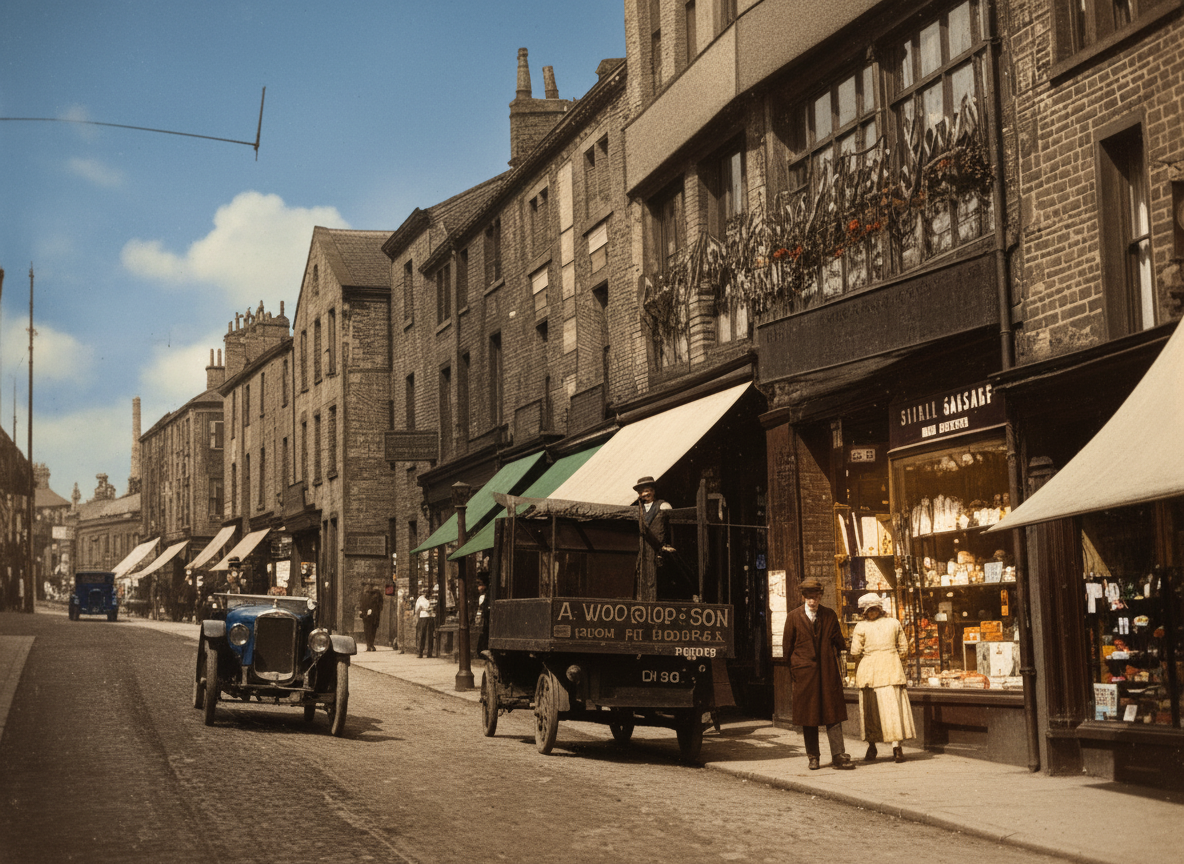
Historic photographs show Union Street South and its junctions before later changes altered the surrounding streetscape. They record a working commercial district of premises, vehicles and everyday traffic rather than a purpose-built monument. The street remains a mixed commercial and residential road, with older buildings alongside later uses.
Union Street South’s history is therefore best told through the people and small businesses that occupied it. The Short family’s long-running firm is a particularly strong example: a local enterprise that lasted through changing vehicles, housing and lifestyles, serving generations of Halifax residents.

"Ever wondered how Halifax families moved house in 1916? Let me introduce you to the remarkable Short family!
T.E. Short and his four sons were the go-to removal experts of Halifax for over 66 years! Their fleet of vehicles was a common sight on Union Street South, helping countless families start their new chapters in life.
#DidYouKnow: The business started during WW1 and kept Halifax moving until 1982! That's three generations of Shorts helping their neighbors move homes!


Short Bros.


Viewing Union Street from just before Horton Street crosses it.
Union Street, Halifax: A street named in a time of rebellion
Union Street has a name that reaches back to a tense moment in British history. According to local historian Malcolm Bull, the street was renamed in 1745 in support of the Crown during the Jacobite rebellion. The nearby Union Cross took its name from the same political sentiment.
In 1745, Charles Edward Stuart — known as Bonnie Prince Charlie — led a Jacobite campaign to reclaim the British throne for his father, James Francis Edward Stuart. The uprising reached its high point with the Jacobite army’s advance into England before its retreat north and eventual defeat at Culloden in April 1746.
A street name such as Union could signal loyalty to the existing monarchy and the union of the kingdoms under the Hanoverian dynasty. Halifax’s decision to adopt it during the rebellion gives an otherwise ordinary town-centre street a political backstory. However, the precise circumstances of the renaming are recorded in local history rather than, so far, in a primary document I have independently checked.
A street of courts, shops and public offices
Union Street also played a part in Halifax’s civic life. In 1818, a new magistrates’ courthouse opened beside the market at the Market Street–Union Street area. It became Halifax County Court in 1849, but was eventually considered unfit for use. After the court moved to a new building on Harrison Road in 1859, the old premises were put to other uses and later became known as Central Hall.
For a time, the street also had a role in local government. Around 1850, before Halifax Town Hall opened in 1863, council business was carried out in the old town hall at the south-west corner of Union Street and Westgate. After the new Town Hall opened, the old building passed through several commercial uses, including a warehouse, wine store, shoe shop and optician’s premises.
Union Street remained a busy commercial address into the twentieth century. In 1905, the Post Office was recorded at No. 19, sharing its address with bookseller and stationer J. W. Aldan. In 1874, grocer and confectioner George Webster & Son was listed at No. 7; the business later expanded into cafés and other premises around Halifax before closing in 1963.
The street continues south as Union Street South, and its history shows how Halifax’s town centre layered political identity, justice, local government and everyday shopping into a relatively small area.
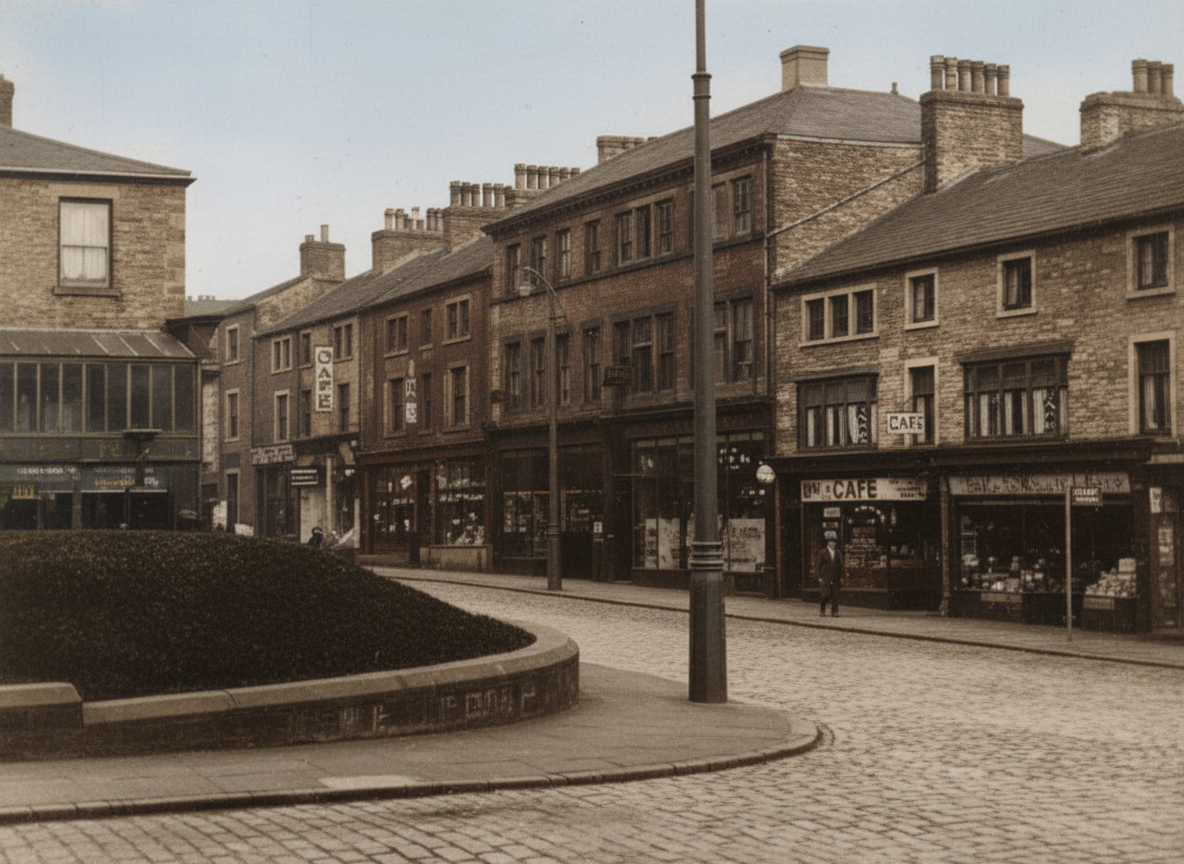 |
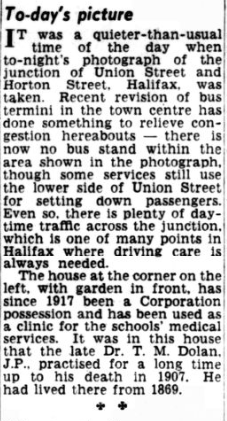 |


enhanced


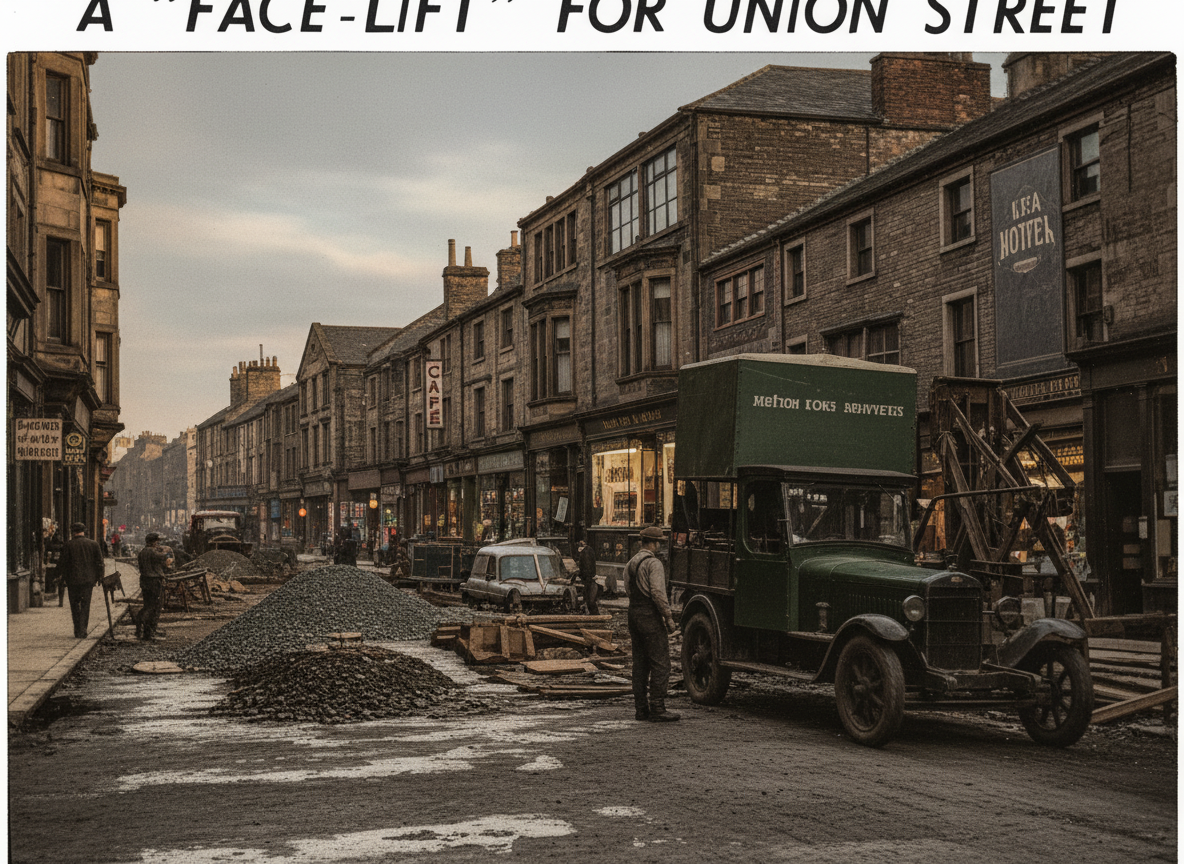


enhanced

Beecroft's Sports House, 15a Union Street & Westgate
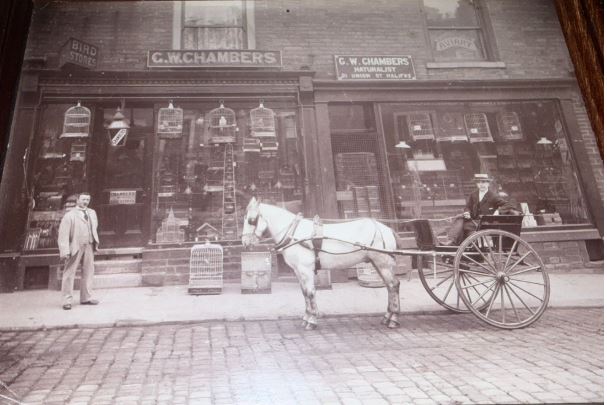
21 and 23 Union Street
enhanced


enhanced

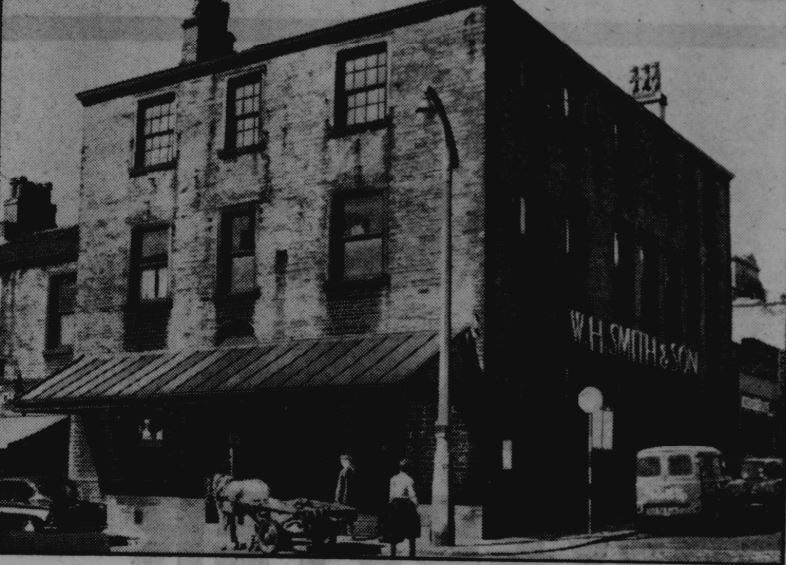
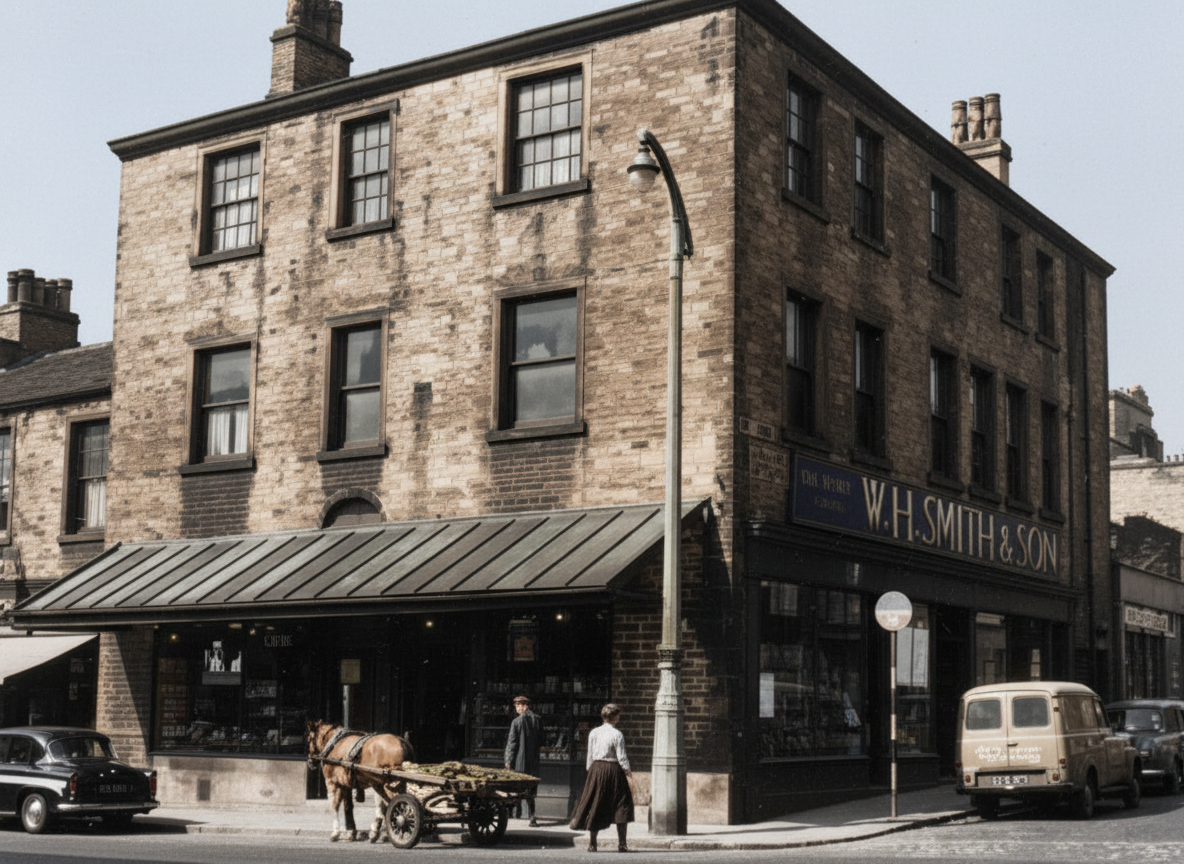
The building that is now Bottomley's Opticians used to be the Town Hall (see above the door below). It later became a warehouse for WH Smith's, a wine store and a shoe shop. This building has had an extension which explains why the tall building on the left side of the street in the second picture looks so much further away. The Town Hall Tavern stood opposite.


Market Street, Halifax: The street beside the market that changed the town
Market Street runs along the eastern side of Halifax Borough Market, connecting Westgate and Old Market. It continues north as Northgate and south as Union Street, placing it right in the middle of the historic town centre. Its story is closely tied to the changing way Halifax sold food, clothing and everyday goods.
Before the Borough Market was built, Halifax’s market trading took place across several open areas, including Old Market, Corn Market and Market Street. Stalls occupied the streets, with different kinds of goods sold in different parts of the town. In 1790, a new covered market opened on Southgate, and an Act of Parliament in 1810 forced street traders to move their stalls into the designated market. That changed the role of Market Street: it remained a commercial thoroughfare, but the main market activity became increasingly concentrated in purpose-built premises.
The biggest architectural change came at the end of the nineteenth century. Halifax’s old New Market had become overcrowded, so the council commissioned local architects Joseph and John Leeming to design a new Borough Market. Work began in the early 1890s, and the market opened on 25 July 1896, inaugurated by the Duke and Duchess of York, later King George V and Queen Mary.
The houses above the shops
One of Market Street’s most unusual features is hidden above the shops: the Market Street Balcony, a row of homes built into the upper floors of the Borough Market complex.
When the market opened, the building included 21 houses above the shops and market ranges. Ten were on Market Street Balcony, ten on Southgate Balcony, and one larger house was intended for the market manager. The homes allowed people connected with the market to live directly above the place where they worked. The elevated walkways outside them are now often called Halifax’s “Streets in the Sky”.
The market’s design was ambitious for its time. Its ornate stone façades, decorative ironwork and extensive glass roof made it both a practical trading space and a civic showpiece. The Borough Market, including its shopping arcade, is now Grade II* listed.
Historic EnglandShops, restaurants and everyday Halifax
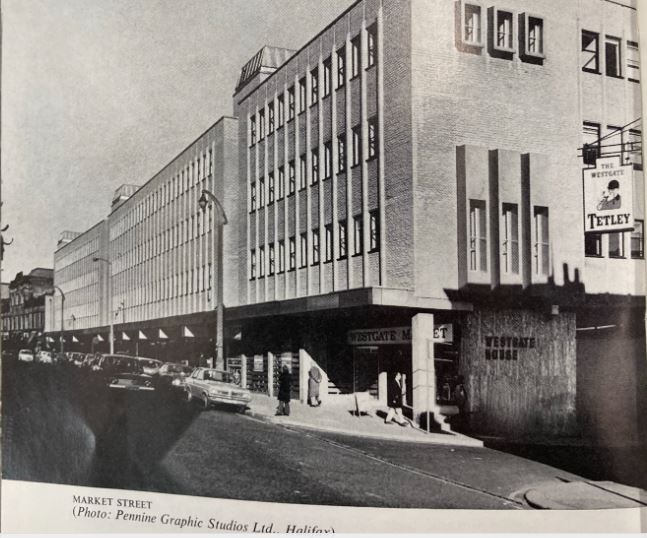
Market Street was also home to a changing collection of independent businesses and national retailers. Malcolm Bull’s historical directory lists, among others, Alexandra House in 1890, Palatine Chambers in 1894, and the Majestic Restaurant in 1927. By 1936, the street included Halfords, Stead & Simpson and several local traders. These records show how the street evolved alongside the market, combining shopping, food and commercial services.
Market Street’s story is therefore about more than a single building. It began as part of Halifax’s open-air trading landscape, adapted as market business moved indoors, and became the eastern face of one of the town’s most distinctive Victorian landmarks. The street still carries the imprint of that history in its architecture and its connection to the market.


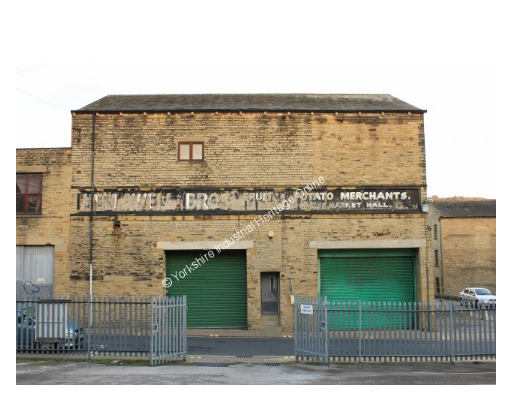
Orange Box
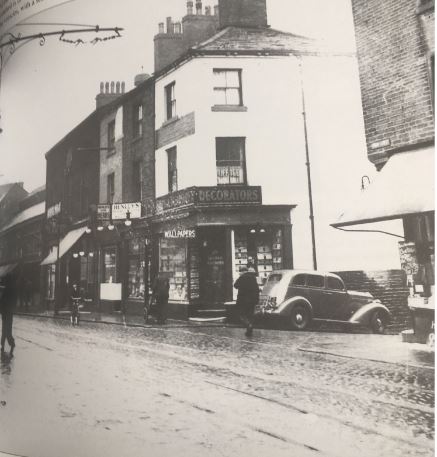
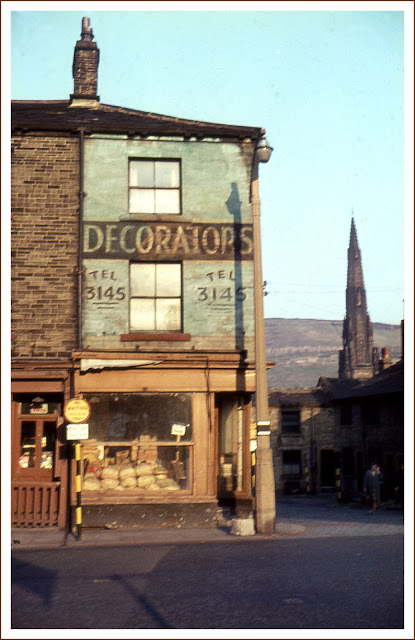


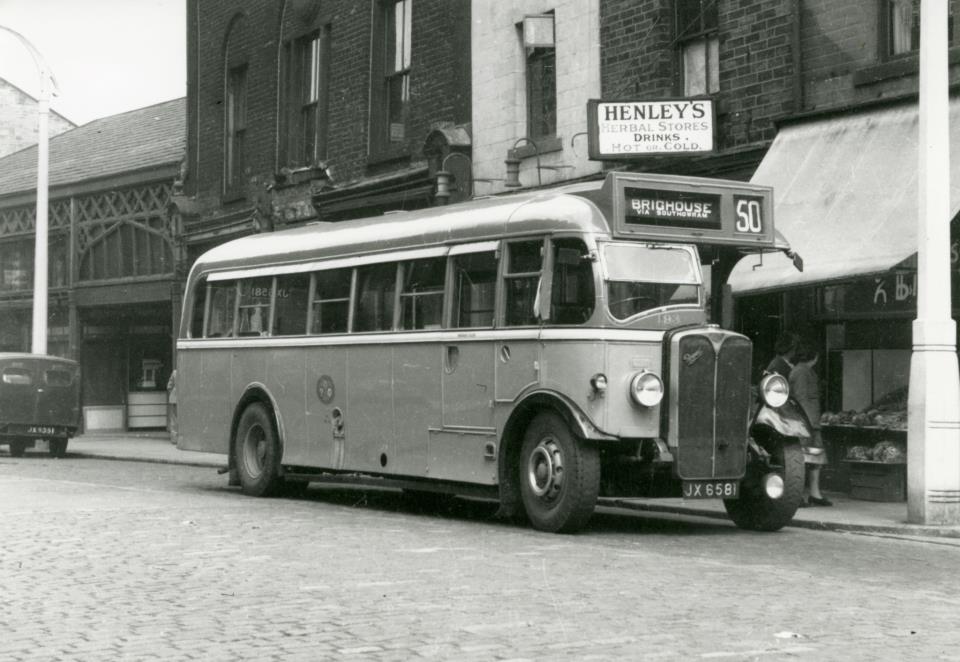
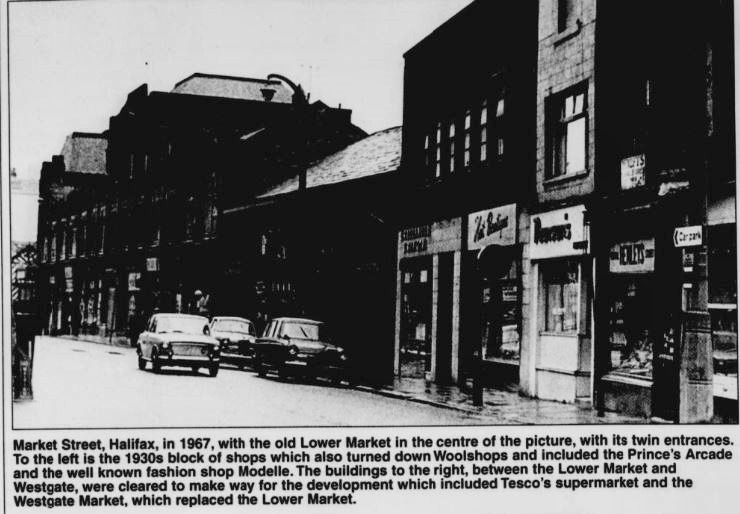
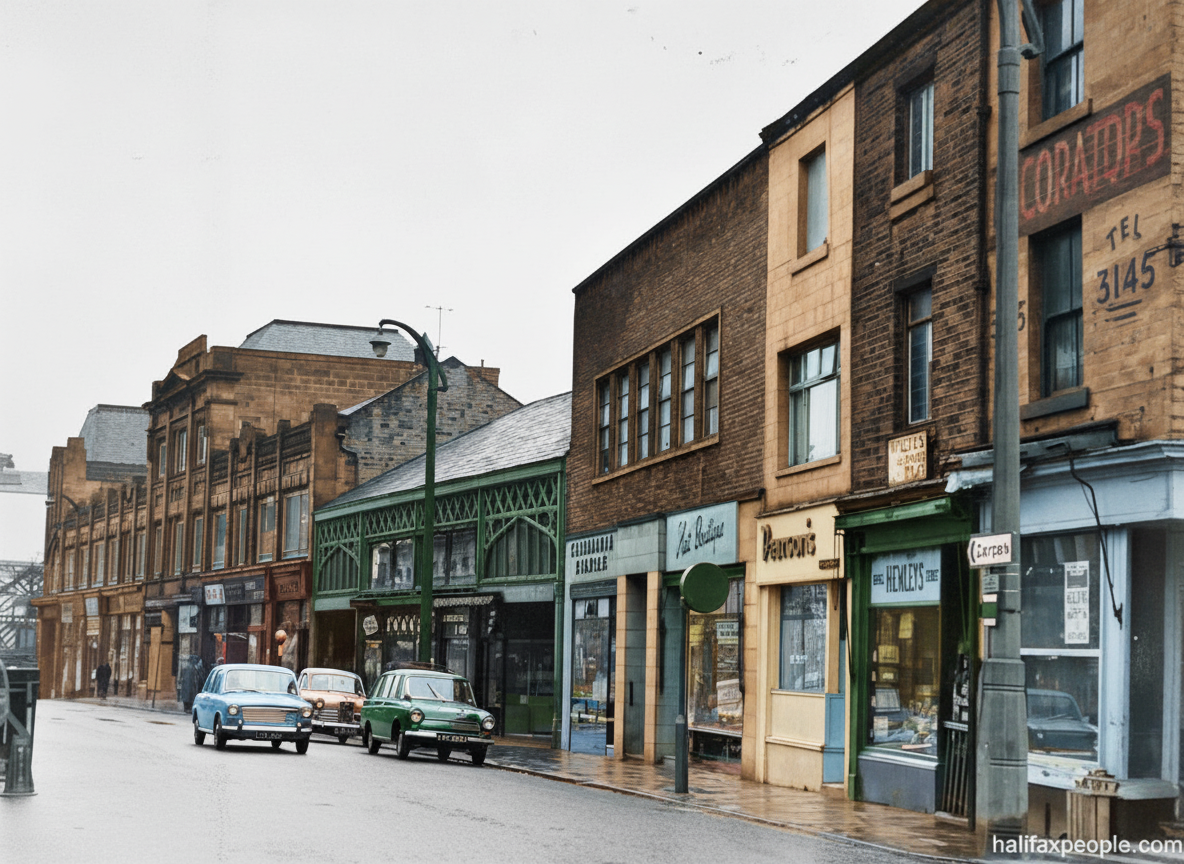
enhanced

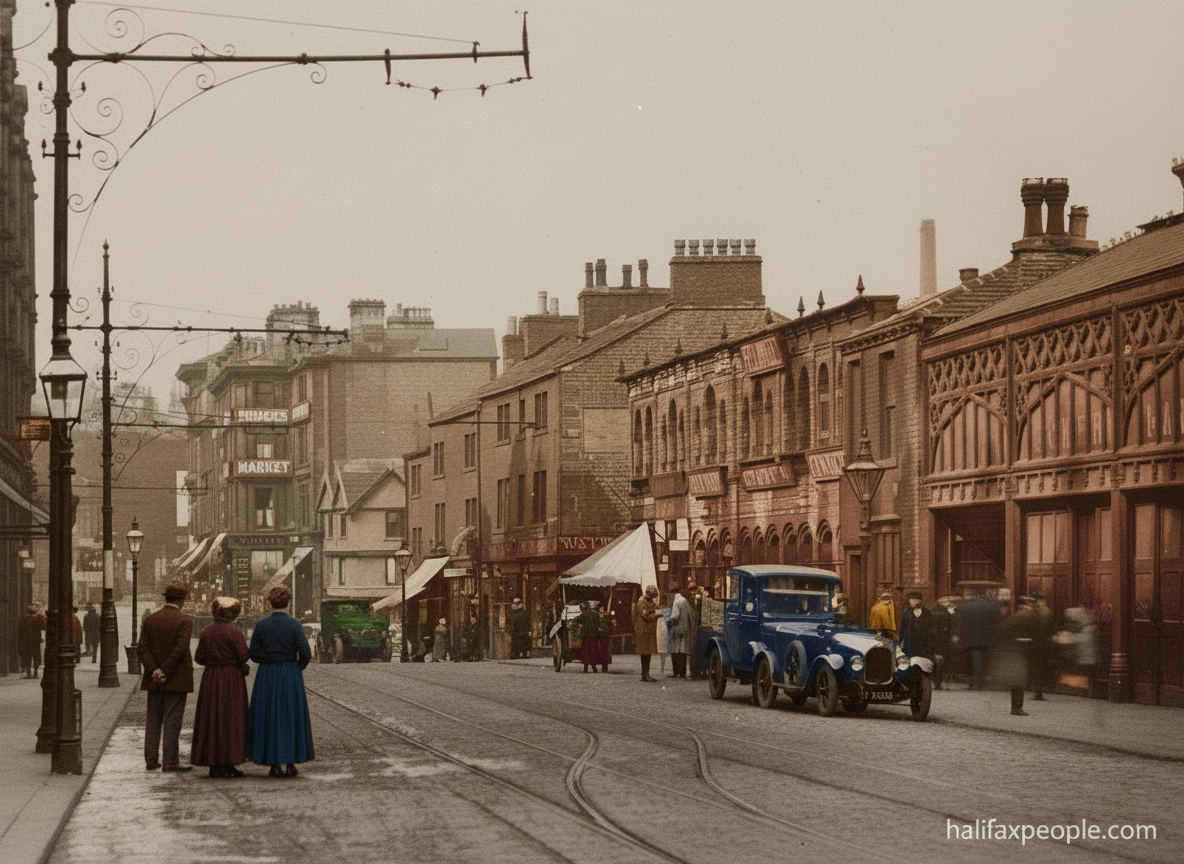
enhanced


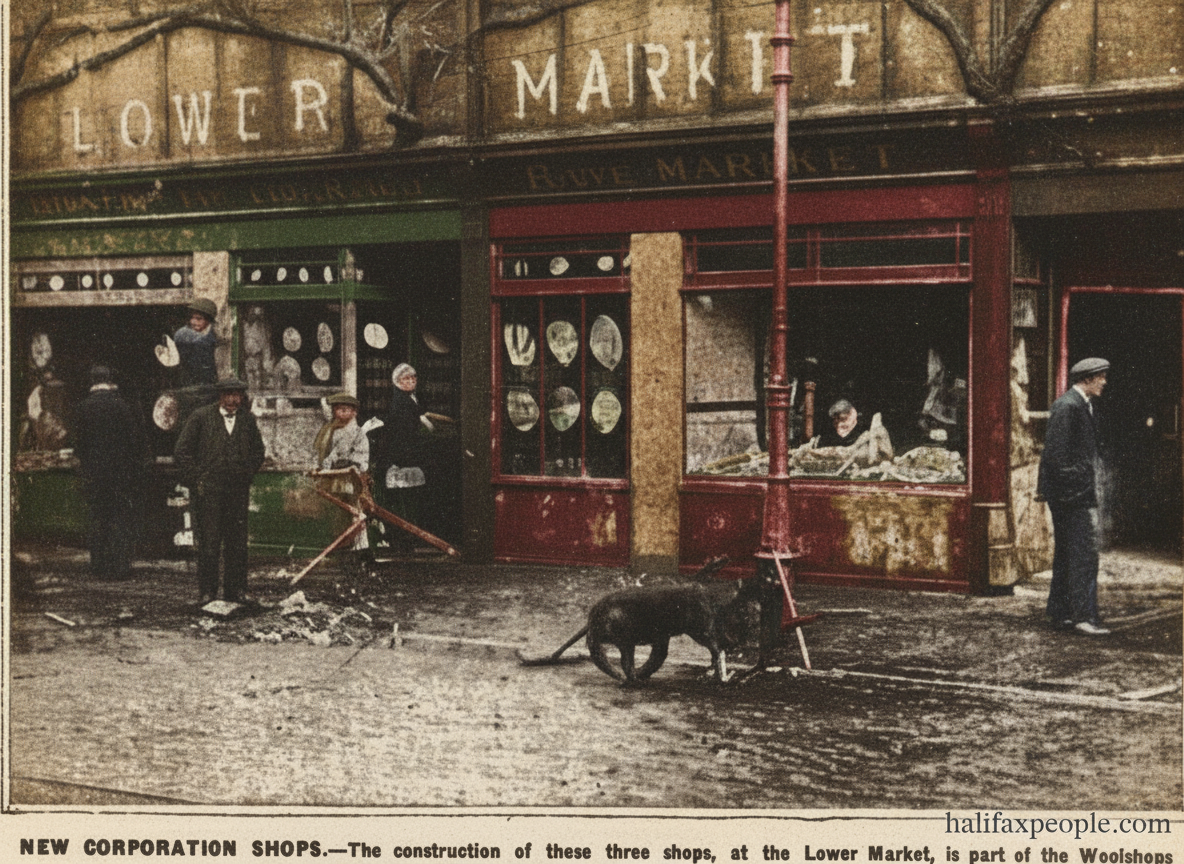
enhanced

enhanced


Final stage of the demolition process. It is a view of the Woolshops end of Market Street and on the left it is possible to see work beginning on what would be the Prince's Arcade, opened in March 1931 and including 27 shops.

The Prince's Arcade takes shape




 |
 |