William Herschel
William Herschel in Halifax – The Future Discoverer of Uranus Who Played the Minster Organ
In the summer of 1766, a German-born musician arrived in Halifax to compete for the position of organist at the parish church of St John the Baptist.
His name was William Herschel. He was already an accomplished violinist, oboist, composer and teacher, but he had yet to become the astronomer who would discover the planet Uranus.
Herschel won the appointment, but his time in Halifax was remarkably short. He played the church organ for just thirteen Sundays before leaving for Bath, where his musical career would flourish and his interest in astronomy would eventually transform his life.
It is a fascinating connection between Halifax and one of the most celebrated scientists of the eighteenth century.
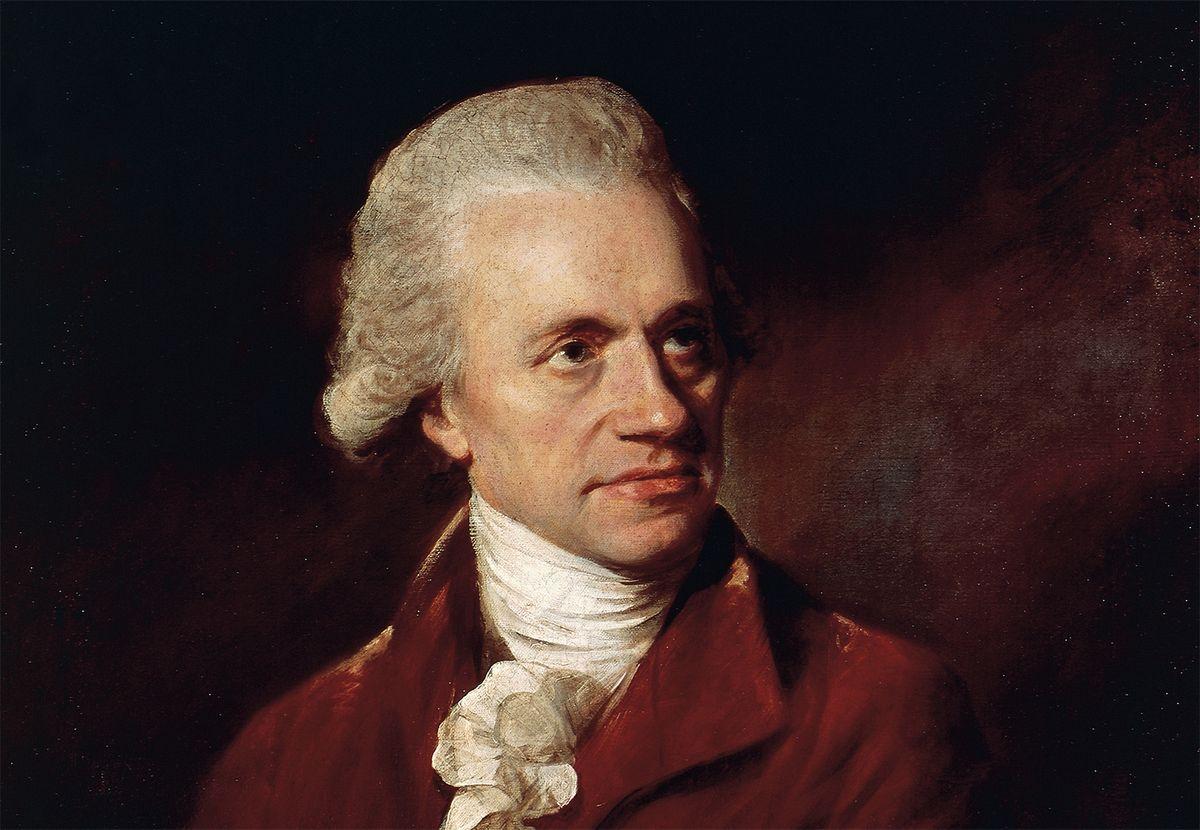
A musician looking for a permanent position
Born Friedrich Wilhelm Herschel in Hanover on 15 November 1738, William came from a musical family. His father, Isaac, was an oboist in the Hanoverian military band, and William followed him into music at an early age.
After coming to England, Herschel worked in several towns, including Sunderland, Newcastle and Leeds. He became director of concerts in Leeds in 1762 and established himself as a capable performer and music teacher.
By 1766 he was looking for a more secure position. An appointment as church organist offered a regular income and the opportunity to continue performing and teaching.
The vacancy at Halifax Parish Church provided that opportunity.
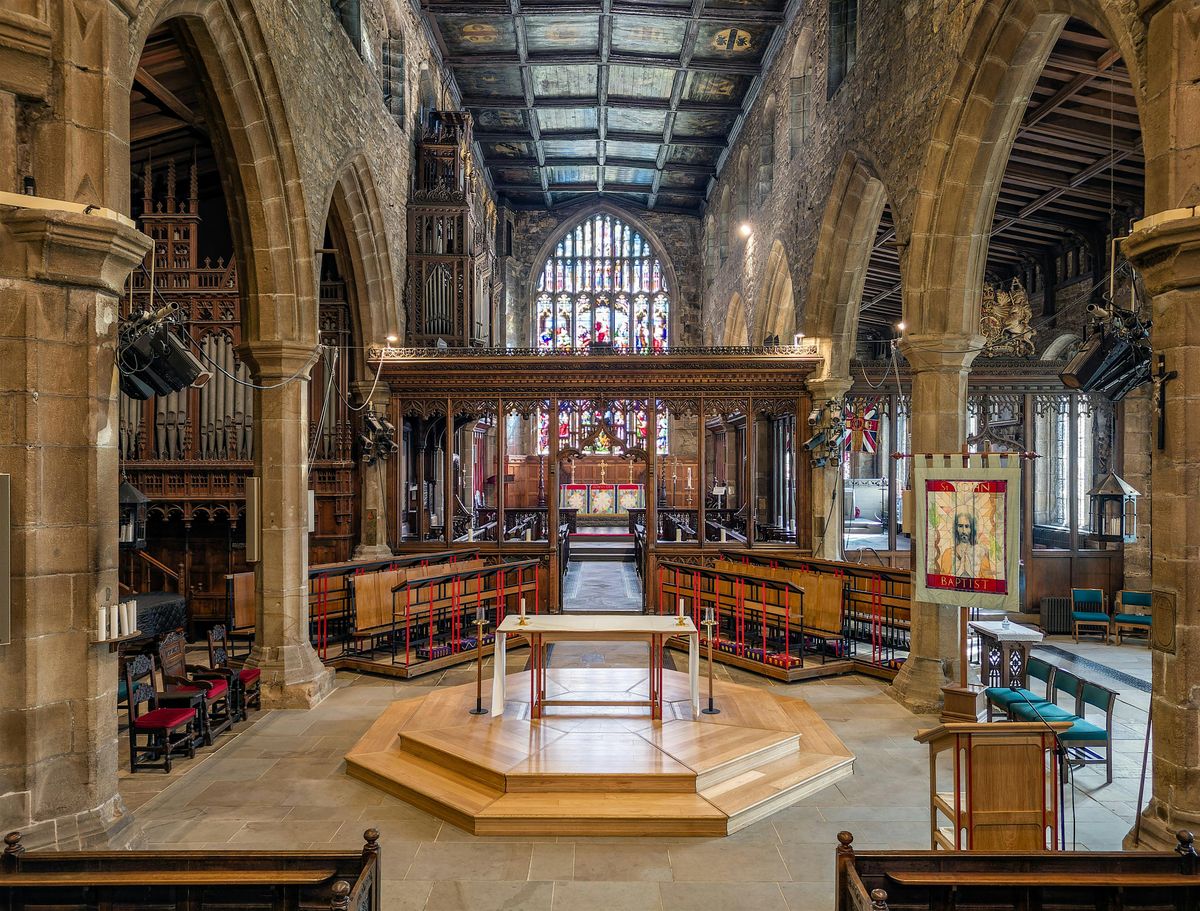
The new organ and the competition
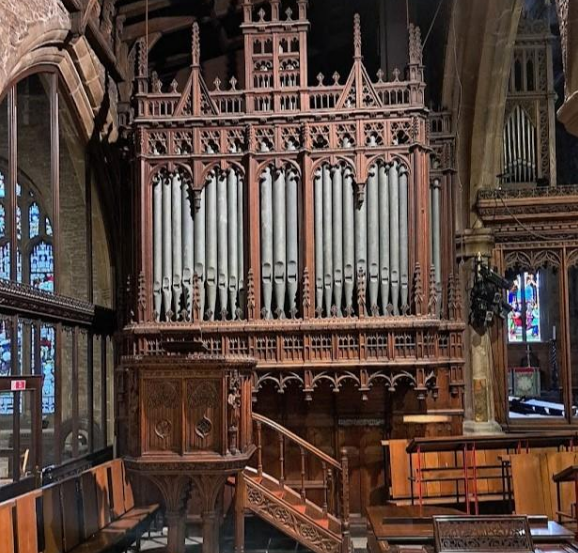
Halifax was investing in its musical facilities. The church had commissioned a substantial new organ from the celebrated Swiss-born organ builder Johann Snetzler.
The instrument was an impressive piece of craftsmanship, with three manuals and a specification of more than 1,600 pipes.
The appointment attracted several candidates. Herschel's musical ability was already well established, but a story about his audition became particularly famous.
According to an account attributed to Dr Edward Miller, the organist at Doncaster, Herschel faced a difficult challenge when demonstrating the instrument. Rather than simply playing in the usual way, he placed pieces of lead on some of the lower keys. This allowed him to hold down notes while using both hands to produce a fuller harmony.
Snetzler was reportedly impressed by the resulting sound.
The story is often repeated as an example of Herschel's ingenuity. However, it comes through a later recollection rather than a surviving contemporary account of the audition, so it should be treated as an anecdote rather than an unquestionable fact.
Herschel was selected for the Halifax position on 30 August 1766.
Thirteen Sundays in Halifax
Herschel's own notes provide an unusually precise record of his short appointment.
He recorded that he played the organ at Halifax for the last time on 30 November 1766. He also noted his payment:
“For the thirteen Sundays of my being organist, I was paid thirteen guineas.”
That brief entry gives us a very human detail about the future astronomer. Before he became famous for observing the heavens, he was earning a guinea for each Sunday playing the organ in Halifax.
His appointment was short because another opportunity had appeared almost immediately.
The newly established Octagon Chapel in Bath offered him a position that promised greater prospects. Halifax attempted to persuade him to stay by offering a higher salary, but he decided to leave.
He arrived in Bath in December 1766.
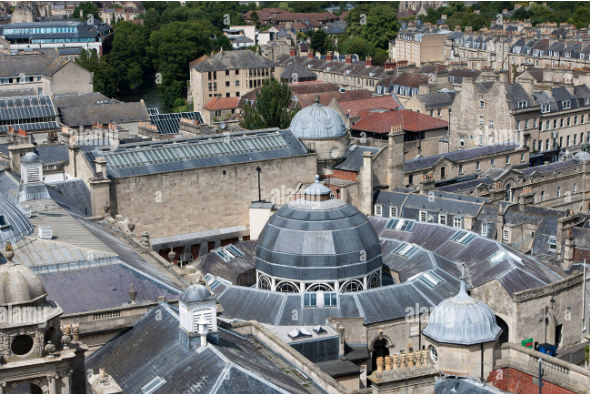
Bath Octagonal Chapel
The musician who became an astronomer
Herschel's move to Bath proved decisive.
He became a successful musician, giving lessons, performing concerts and composing works for orchestras and church services.
His younger sister Caroline joined him in 1772. She became an important musical companion and later played a central role in his astronomical work.
Herschel's interest in astronomy grew during the 1770s. He began constructing telescopes and observing the night sky, eventually devoting himself increasingly to scientific work.
On 13 March 1781, he observed an object that he initially believed might be a comet. Further investigation established that it was a previously unknown planet.
It became known as Uranus, the first planet discovered in modern times.
Herschel's discovery brought him international fame. He was appointed King's Astronomer and became one of the leading scientific figures of his generation.

Halifax's place in his story
Herschel's connection with Halifax is brief but well documented. He was not born here, nor did he carry out his famous astronomical observations in the town. His importance to Halifax lies in the fact that one of the world's best-known astronomers once held an ordinary professional appointment in its parish church.
The church itself is now Halifax Minster. Its organ has undergone several reconstructions and alterations since Herschel's time, and the original Snetzler instrument is no longer the organ heard by worshippers today.
Herschel's stay lasted only three months, but his name belongs among the distinguished musicians who have been associated with the Minster.
There is something appealing about imagining him in the organ loft in the autumn of 1766: a talented young musician, still building his career, with no idea that fifteen years later he would make one of the most important astronomical discoveries in history.
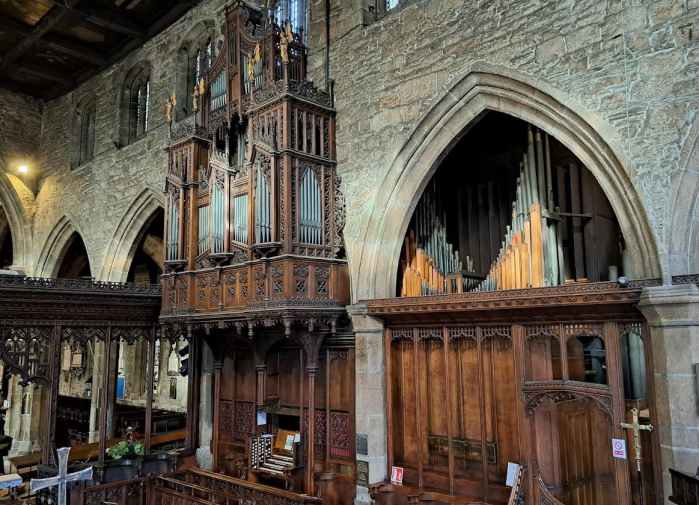
Halifax Minster Organ
If you have enjoyed your visit to this website, please spread the word by clicking the 'like' and 'share' buttons below. Thank you