Halifaxpeople-Monthly-Feb2027
Halifaxpeople-Monthly-Feb2027
 Halifax Workhouse, Gibbet Street – The Woman Who Went Undercover as a Tramp |
 When Halifax Got Its First Modern Police Force – The End of the Old Town Watch in 1848 |


 When John Smeaton Planned to Bring Water to Halifax – The Town's First Great Water Scheme |
 The Great Halifax Exhibition of 1882 |
When Halifax Got Its First Modern Police Force – The End of the Old Town Watch in 1848
In November 1848, Halifax underwent a significant change in the way its streets were policed. The old town watch, whose men had patrolled the streets for generations, was disbanded and replaced by a new borough police force.
It was not a smooth handover. The council dismissed the existing watchmen, refused to compensate them and recruited an entirely new body of constables. Some of the old men were left struggling to find work, while the new force faced suspicion from people who feared that professional policing might become an instrument of political control.
The change also marked the beginning of a police organisation that would eventually grow into the modern Halifax force.
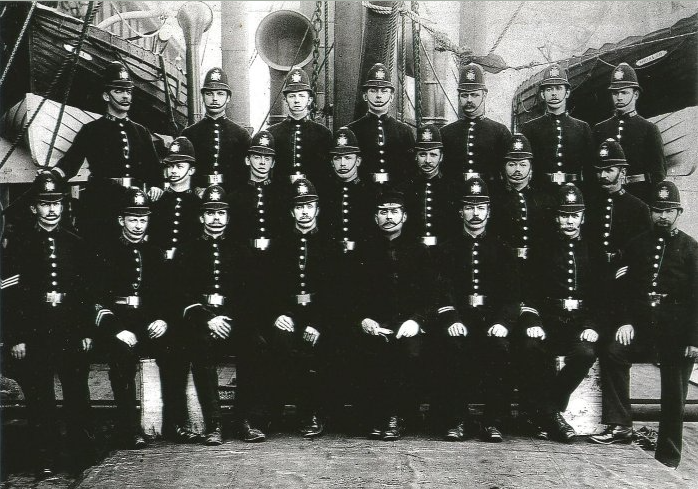
Halifax police 1893
Before the bobbies: the old Halifax Watch
Before 1848, Halifax relied on a mixture of local watchmen and constables to maintain order. The system was administered through local authorities and had developed over many years.
The old watch was not necessarily as useless as later critics suggested. It had experienced officers, and some councillors believed that the town was already well served by two senior men, Thomas Spiers and James Rawson.
But there were complaints about the condition and abilities of some of the ordinary watchmen. At a council discussion in October 1848, Alderman Craven reportedly described some as deaf, while others were old and lame.
The argument was not simply about whether the town needed more police. It was about the sort of police Halifax wanted, who should control them and how much the ratepayers should have to pay.
A town suspicious of a new police force
Halifax had strong radical and Chartist traditions. The memory of the Plug Plot disturbances of 1842 was still relatively recent, and the authorities were wary of anything that might inflame political tensions.
In April 1848, a Chartist meeting on Skircoat Moor was reported by the Halifax Guardian to have attracted more than 20,000 people. Fearing trouble, the authorities arranged for a troop of Dragoon Guards to support special constables and local troops.
The military, rather than a professional police force, was still regarded as the appropriate response to a major public-order emergency.
There were fears that a new police force might be expensive, militaristic and controlled by people whose interests were not those of ordinary Halifax residents. The council therefore wanted a relatively small force, rather than what one contemporary discussion described as a “regiment of police”.

The old town hall building was also the police station in 1851
The new force is organised
Halifax's new Watch Committee settled on a force of twenty-five men:
- One Superintendent
- One Inspector
- One Detective
- Four Sergeants
- Eighteen Constables
The committee chose Thomas Spiers as Superintendent. He had previously worked in the Leeds police and had already served Halifax as Deputy Constable.
James Rawson was retained as Detective Police Officer. A Halifax man, Rawson had worked as a detective locally for about ten years and was credited with securing the convictions of more than 250 felons.
John Pearson, who had previously served in the Manchester police and as a constable in Skircoat, became Inspector.
These appointments provided experience at the top of the new organisation, but the ordinary watchmen were not retained.
178 applicants for the new jobs
The council advertised for new sergeants and constables. The response was substantial: 178 applications were received.
The selection process was more thorough than might be expected. The Watch Committee recorded details of candidates' ages, heights, previous occupations, addresses, family circumstances and literacy. Applicants were interviewed and required to provide testimonials. Successful candidates also underwent medical examinations.
One candidate, despite having previous experience in the Manchester police, failed the medical.
Another recruit, John Copley, was dismissed in March 1849 after it was discovered that he had lied about his age. The evidence against him included his baptism certificate.
The new force was intended to be younger and fitter than the old watch, with a greater emphasis on discipline and training.
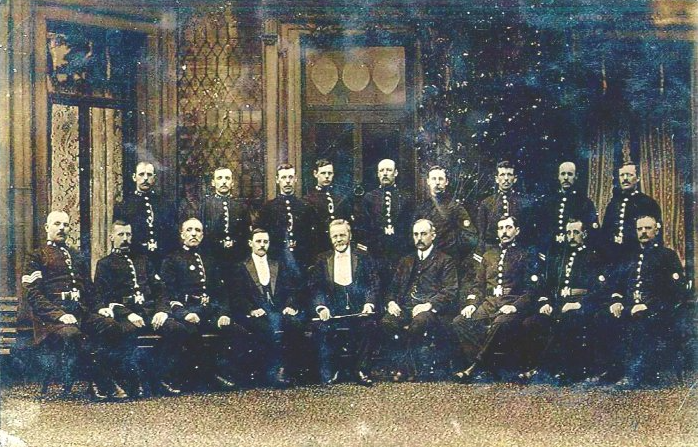
Halifax Police in 1893
The old watchmen lose their jobs
The final night of duty for the old watchmen was 12 November 1848.
After that, they were out of work. The Borough Council refused to grant them pensions, arguing that it had neither employed nor dismissed them. The trustees of the old system also denied responsibility, saying they no longer had the necessary powers.
There was considerable public sympathy for the men. A collection was organised and money distributed among the former watchmen, but they were not offered alternative employment. Some had to rely on Poor Relief.
It was an uncomfortable beginning for a new police force that was supposed to represent improvement and better organisation.
The first years of the Halifax Police
The new force began work in November 1848, with a basic wage of seventeen shillings a week for a constable and twenty shillings for a sergeant.
Discipline was taken seriously. Drunkenness was one of the first problems to come before the Watch Committee, and the first dismissal for the offence came in January 1849, barely two months after the new force took to the streets.
The officers also had to deal with the everyday problems of a busy industrial town: drunkenness, disorder, theft, street obstructions and the growing demands of a changing borough.
The police were not universally popular. In February 1850, some councillors complained that too many officers were parading the streets and that the cost was excessive. Others defended the new force, arguing that its men had long beats and could barely complete their rounds in the time allowed.
Thomas Spiers remained Superintendent until July 1851, when he resigned to take up a post with the West Riding police. John Pearson, his Inspector, was promoted to succeed him.

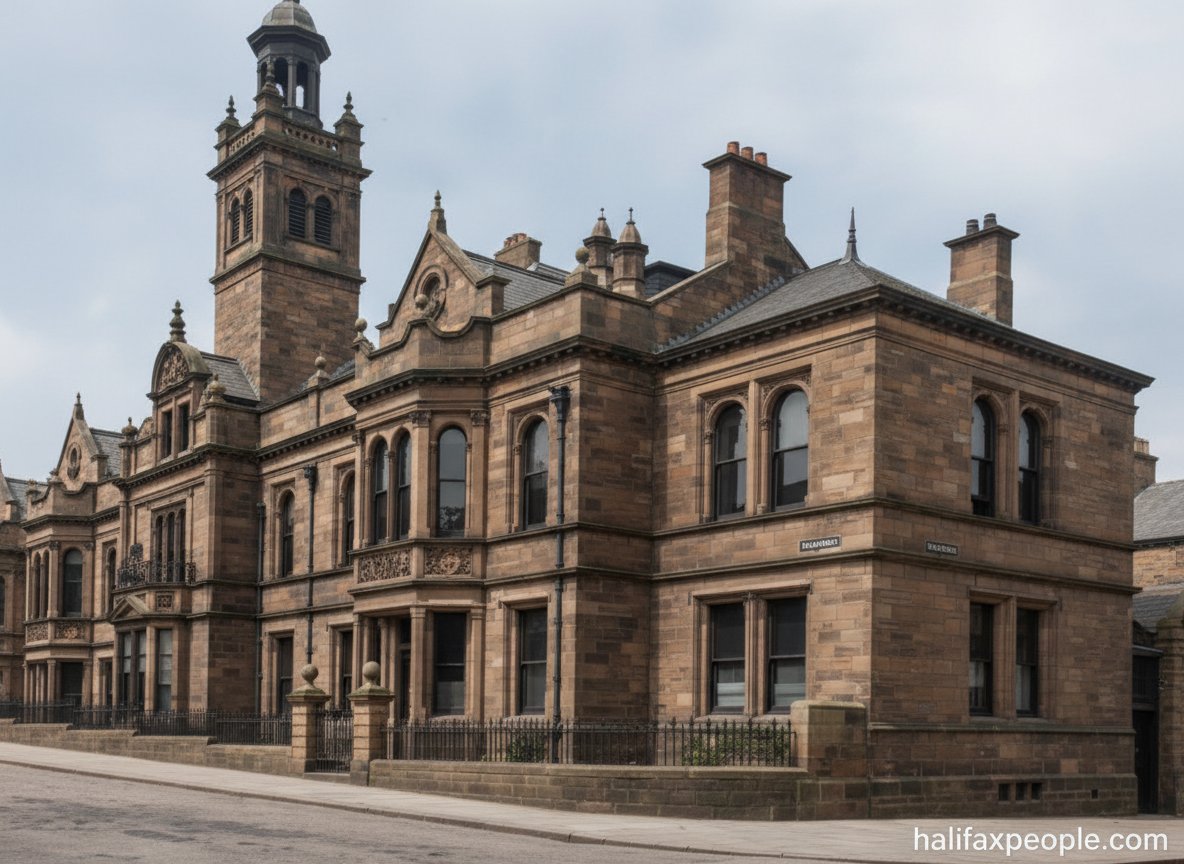
Harrison Road Police Station
From the old watch to the police station
The first modern Halifax police force did not begin life in the grand police station that later became a familiar landmark.
In 1863, the new Town Hall provided police accommodation, but it proved far from satisfactory. The police offices were below ground, poorly ventilated and increasingly cramped as the force expanded.
By 1894, the Chief Constable had repeatedly complained about the conditions. A government inspector also criticised the accommodation, recommending that new offices should be built above ground.
The council eventually purchased land and commissioned a new police station and court buildings. The project cost £27,764, exceeding the original budget, but the result was intended to be among the most modern police stations in the country.
The new Borough Police Station and Court opened in October 1900.
It included new cells, a covered parade ground, a recreation room and a police court. The buildings were heated by steam and had electric lighting. The plans even included semaphore signals to help control traffic at the nearby crossroads.
The opening marked another stage in the development of policing in Halifax, just over half a century after the old watchmen had made their final patrol.
The men who walked the streets in 1848 could scarcely have imagined the facilities that would be provided for their successors by 1900. But the change began with a decision that had a very human cost: the dismissal of the old watchmen, many of whom were left without work or a pension.
enhanced
When John Smeaton Planned to Bring Water to Halifax – The Town's First Great Water Scheme
Today, turning on a tap and getting clean water is something most people take for granted. In eighteenth-century Halifax, obtaining a reliable supply was a much more complicated business.
The town depended on wells and springs, and as its population and industries grew, providing enough water became an increasingly serious problem.
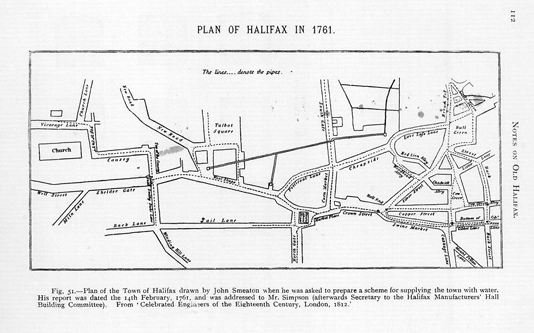
In 1761, Halifax turned to one of the most celebrated engineers of the age: John Smeaton. His work survives in an extraordinary document – a plan showing how he proposed to pipe water through the streets of Halifax.
It was an early step towards the organised water supply that would eventually transform the town.
Where Halifax got its water
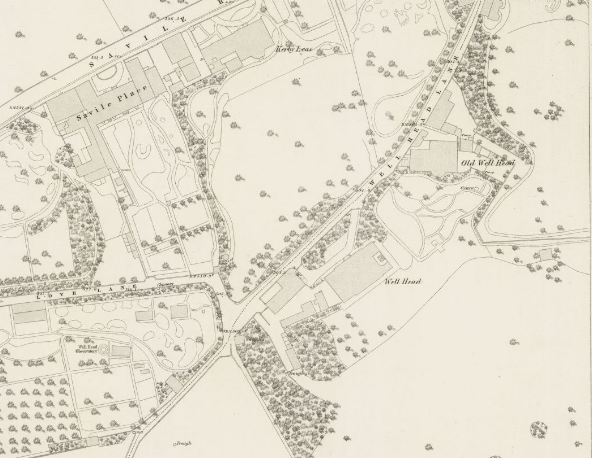
For much of the eighteenth century, one of Halifax's important sources of fresh water was Well Head, just off Skircoat Road, a short distance from the town centre.
The name itself preserves the memory of its purpose. Water from the springs and wells was collected and conveyed towards the town, with wooden pipes and underground channels forming part of the supply system.
Highroad Well was another source associated with the town's water provision.
These supplies were important to households, businesses and public houses. A later local account recalled that customers in some Halifax inns would ask for “Whisky and Well Head”, a reminder of the reputation attached to the water.
But a growing town needed more than a collection of wells and springs. It needed a system capable of delivering water to different parts of the built-up area.

Calling in John Smeaton
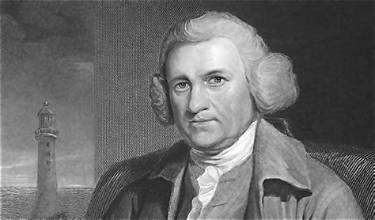
John Smeaton (1724–1792) was already an established engineer. He is particularly remembered for designing the third Eddystone Lighthouse, but his work extended to bridges, canals, harbours and water engineering.
In 1761, he was asked to consider a scheme for supplying Halifax with water.
His report was dated 14 February 1761 and addressed to Mr Simpson, who was later secretary to the committee responsible for building the Piece Hall.
Smeaton's surviving letter is particularly revealing. He explained that he had prepared a sketch showing how he proposed to lay the pipes, together with an estimate of the cost.
He also suggested that his proposals should be examined by another engineer, Joseph Knight, whose knowledge might identify mistakes or improvements.
It is an interesting glimpse of professional engineering practice in the eighteenth century: even a famous engineer wanted another experienced pair of eyes to check his calculations.
A problem caused by Halifax's hills
The most interesting part of Smeaton's report concerns the town's geography.
Halifax was built on steeply sloping ground. Water travelling down from higher ground would exert increasing pressure on the pipes as it descended.
Smeaton recognised that this created an engineering problem. Pipes in the lower parts of town would be subjected to much greater pressure than those higher up.
Rather than simply specifying thicker and more expensive pipes throughout, he proposed varying their internal diameter.
He also explained that the water would be supplied from above the head of the town. The main pipe would initially carry the water required for the whole supply, but as branches carried water away to different districts, the main pipe could become progressively smaller.
This was a carefully considered design for a town whose streets and buildings occupied very different levels.

The map that survives
The Calderdale archive preserves a plan of Halifax drawn by Smeaton in 1761.
It shows the proposed arrangement of water pipes through the town, making it a valuable record of Halifax before the major expansion of the nineteenth century.
The document is particularly interesting because it connects an engineering proposal with the actual street pattern of eighteenth-century Halifax.
It is not simply a general drawing of a waterworks. It is a plan for distributing water around the town itself.
The map can be viewed in Calderdale's From Weaver to Web archive.
The Act of 1762
The following year, Parliament passed legislation establishing trustees with responsibility for supplying Halifax with water.
The Act of 1762 gave the trustees powers to manage the supply and levy charges on those who used it. Further legislation followed in 1768, extending and revising their responsibilities.
This was an important development in the town's administration. Water supply was no longer simply a matter of individual wells and private arrangements; it was becoming a public undertaking organised through statutory powers.
However, it is important not to assume that every detail of Smeaton's 1761 proposal was necessarily constructed exactly as he had drawn it. His surviving plan records the scheme he recommended, while the subsequent Acts record the legal powers created to organise water provision.
The two documents together show how Halifax was beginning to tackle the problem.
A town still searching for enough water
The water question did not disappear after the 1762 Act. As Halifax expanded, its requirements grew, and the existing sources and distribution arrangements came under increasing pressure.
In the nineteenth century, the town needed a much larger and more dependable supply. Engineer John Frederick Bateman was consulted in 1851, and his proposals involved bringing water from reservoirs on the moors above Halifax.
That was a much larger undertaking, reflecting the growth of the industrial town.
But the story of organised water provision in Halifax had an important earlier chapter. In 1761, John Smeaton had already been asked to solve the problem of getting water through the town's steep streets.
His map remains a fascinating reminder of a time when a reliable supply of water was one of the great practical challenges facing Halifax.
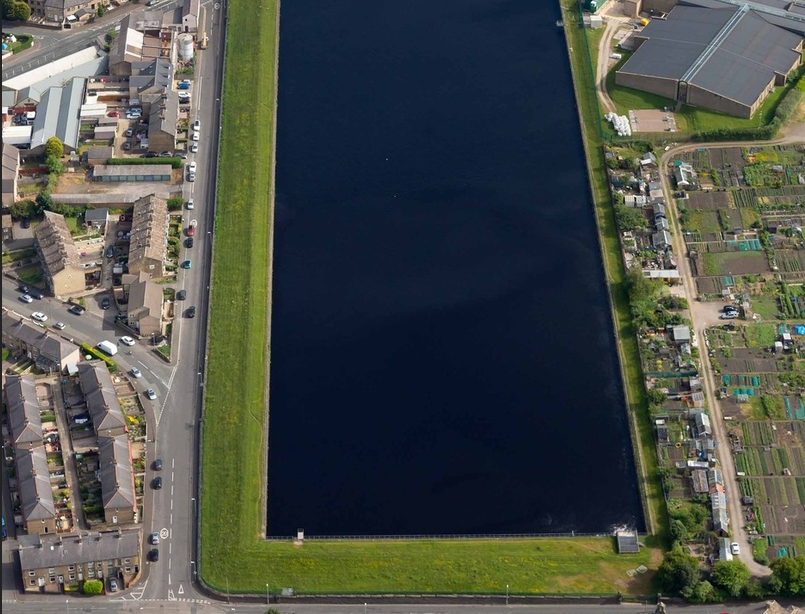
Albert Reservoir
The Great Halifax Exhibition of 1882
The forgotten showcase where Halifax put its inventions on display
In October 1882, Halifax held an exhibition designed to show the world what its manufacturers, engineers and inventors could achieve.
It was a time when the town's reputation rested heavily on its mills and factories. But the people behind those industries wanted to demonstrate that Halifax was about much more than spinning and weaving. They had machinery to show, new inventions to promote, engineering skills to display and products they believed could compete in markets far beyond Yorkshire.
The event was called the Halifax Fine Art and Industrial Exhibition.
Today, it has largely disappeared from popular memory. Yet a contemporary account published shortly afterwards gives us a fascinating glimpse inside an exhibition where machines were put to work, manufacturers displayed their latest inventions and local businesses competed for attention.
It also reveals some remarkable names from Halifax's industrial past.

An exhibition to promote Halifax
The plans were already being discussed during the summer of 1882.
In July, the Journal of Fabrics, a specialist textile publication edited and printed in Halifax, announced that a committee had been appointed to organise a Fine Art and Industrial Exhibition.
The organisers invited manufacturers, engineers, machinists and people involved in scientific and artistic work to apply for exhibition space. The intention was to hold the event early in October.
The honorary secretary was A. W. Briggs, who was later praised for the way the arrangements had been carried out.
The exhibition opened on 11 October 1882.
A month later, the Journal of Fabrics and Textile Industries published a detailed report. Its writer described the event as a success and said the exhibits were mostly from local firms.
That contemporary report is particularly valuable. Rather than relying on a later recollection, it allows us to identify actual businesses, their addresses and the products they brought to the exhibition.
Inside the Drill Hall
The battle against Halifax's factory smoke
One of the most interesting exhibits came from Charles Gall of Milner Street Works, Hanson Lane.
Gall displayed an improved patent self-acting mercurial air valve for steam boilers and furnaces. It was intended to help factories deal with smoke emissions.
Smoke was a serious problem in industrial towns. The report noted that local authorities were enforcing requirements to consume smoke, but many existing appliances had proved ineffective.
Gall claimed his invention was simpler than competing devices. It could reportedly be fitted to a boiler within a few hours and operated by an ordinary labourer rather than a specialist.
The report also mentioned that Gall had received 27 silver medals at exhibitions since introducing his invention.
This was a practical problem for Halifax manufacturers. They needed steam power, but the smoke pouring from factory chimneys was increasingly attracting attention from authorities and the public.
Gall was offering a solution made in Halifax.

Smoke over Halifax
A machine that was actually working
Another attraction was the exhibit of Alfred Yates of Blackwall Works.
Yates brought two steam-powered velocimotors, one of three horsepower and another of one horsepower. The larger machine was used to drive machinery at the exhibition itself.
In other words, visitors could see the invention doing its job rather than simply looking at a model or a drawing.
Yates also displayed a bench drilling machine designed to work either by hand or by power. The contemporary report described it as a useful machine for mill repairs.
The exhibition was not simply a display of finished goods. It was an opportunity for manufacturers to demonstrate the equipment that helped keep industrial Halifax running.
The makers of tools and machinery
Several other Halifax businesses used the exhibition to show their products.
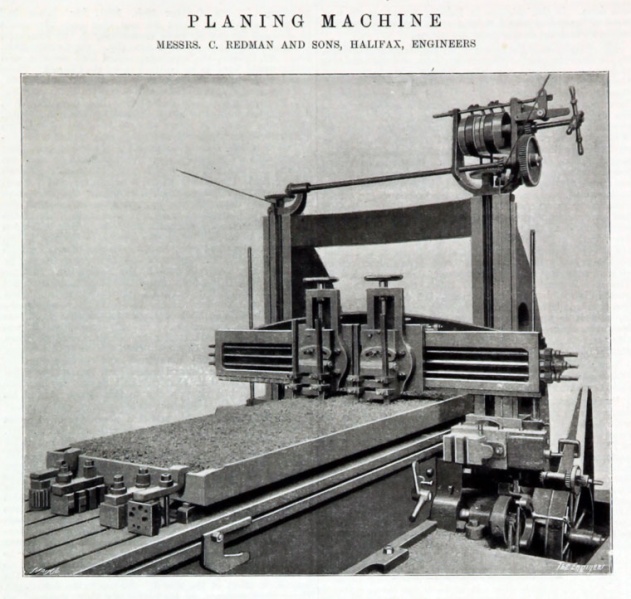
Mr Redman of Archer Street displayed a four-geared drilling machine and a bench drill. The larger machine could drill nine inches deep and was a substantial piece of equipment, weighing 15 hundredweight.
The report gave its technical specifications in considerable detail, including the dimensions of its spindle, gears, table and pillar.
It also recorded that Redman had produced 250 bench drills during the preceding two years.
This gives us a glimpse of a specialist engineering business that was already producing machinery in quantity.
George Binns of Archer Street Mills exhibited machine wool-combs. These were precision components used in the wool-combing process, with examples designed for different machines and different grades of wool.
The report singled out the quality of the workmanship, mentioning drawn brass components and examples of combs for Noble's and Lister's machines.
Meanwhile, Mr Pratt of Wade Street showed a card-setting machine designed for setting tinned-wire cards, particularly for use on damp wool.
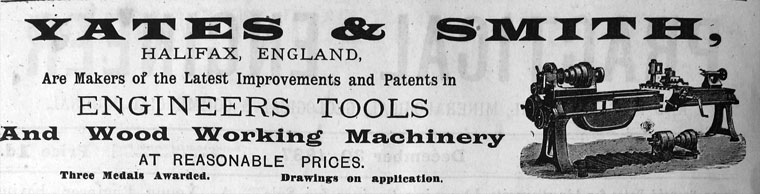
These were not household gadgets. They were specialist tools for the textile industry, and their presence demonstrates the depth of engineering expertise available in Halifax.
Brass, rubber and mill equipment
E. Foster & Son, brassfounders of Square Road, brought a large collection of brasswork.
Their display included mill fittings and fire-brigade equipment. The report described the firm's reputation as well established throughout the United Kingdom and regarded its stand as one of the leading features of the exhibition.
R. P. Stafford of King Cross Street also displayed a wide range of metal fittings.
His stand included water hydrants, standpipes, valves, water gauges, whistles and delivery pipes. There were also fire cocks for use inside mills and on staircases.
The exhibition therefore showed the equipment required not only to run factories but also to protect them.
F. Horton, a mill furnisher and india-rubber merchant of George Street, exhibited belting, valves, joints, engine packings and other goods used in industrial machinery.
One of his displays included a working split drum fitted to the machinery department's shafting.
The exhibition was becoming a working demonstration of the industrial supply network that supported the town's mills.
The loom that attracted attention
The textile industry was represented by some particularly interesting machinery.
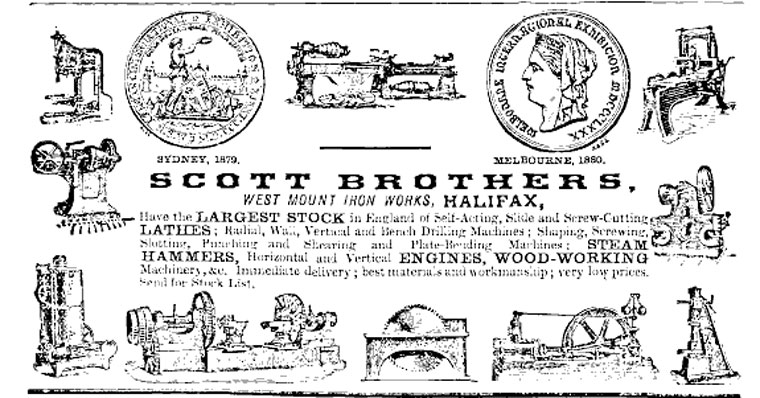
Scarborough Brothers of Halifax exhibited a circular box loom which was actually working on dress goods.
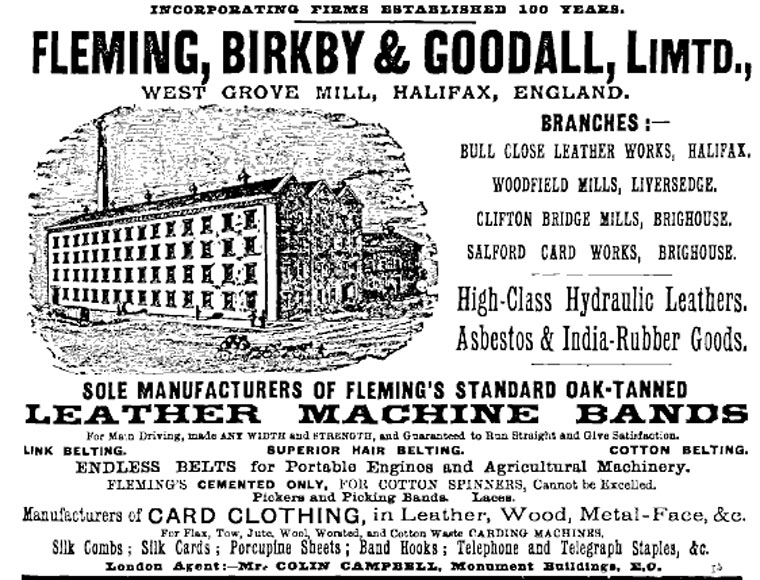
Fleming, Son & Co. of West Grove Mills displayed leather belting in various sizes.
The report also described the work of Charles Gall, George Binns and other local manufacturers whose products were closely connected with the textile trade.
The exhibition showed how many different trades supported the production of cloth. Behind every finished piece of fabric there were machine-makers, engineers, brassfounders, toolmakers, mill furnishers and specialist component manufacturers.
Halifax's industrial success depended on all of them.
The people behind the exhibition
The surviving report is especially useful because it names the businesses and gives their addresses.
It allows us to place the exhibitors back into the streets of Victorian Halifax:
- Charles Gall – Milner Street Works, Hanson Lane
- F. Horton – George Street
- Redman – Archer Street
- R. P. Stafford – King Cross Street
- E. Foster & Son – Square Road
- Alfred Yates – Blackwall Works
- George Binns – Archer Street Mills
- Pratt – Wade Street
- Fleming, Son & Co. – West Grove Mills
- Scarborough Brothers – Halifax
These were not distant national manufacturers. They were local businesses, many operating within a relatively small area of the town.
Their participation was an opportunity to attract customers, demonstrate technical ability and advertise their products to people who might otherwise never have visited their workshops.
The exhibition also recognised artistic and decorative manufacture. The wider Fine Art and Industrial Exhibition included the work of local makers beyond engineering and machinery.
One surviving record is an 1882 piano made by Stephen Hartley, bearing an award inscription for excellence in the manufacture of pianofortes at the Halifax exhibition. It is now recorded in the collection of the National Music Museum in the United States.
That surviving instrument provides a tangible link to the event more than 140 years later.
What happened to the exhibition?
The contemporary trade journal described the 1882 event as a success, but the report does not provide a full attendance figure or financial statement. We should therefore be cautious about claiming how many people visited or how much money it made.
It was not the only exhibition of its kind in Halifax. The town held further Fine Art and Industrial Exhibitions in 1888, 1893 and 1895.
These events belonged to a period when industrial towns increasingly used exhibitions to advertise their achievements and encourage technical improvement.
Halifax was competing for attention in a world where engineering, design and manufacturing were changing rapidly.
The 1882 exhibition gives us a particularly vivid picture of that ambition. Its displays were not simply about showing what had already been made. They were about inventions that promised to improve factories, save fuel, reduce smoke, make machinery more efficient and give local manufacturers an advantage.
A forgotten piece of Halifax's industrial story
The exhibition has left us with something more valuable than a list of prize-winners.
It has preserved a snapshot of the people and businesses that made Victorian Halifax work.
We can follow the names from the exhibition report back to individual streets and workshops. We can see the kinds of inventions they produced and understand the practical problems they were trying to solve.
A smoke-consuming valve from Hanson Lane, a drilling machine from Archer Street, brass fittings from Square Road and a working loom from a Halifax manufacturer all appeared under one roof.
For a few weeks in October 1882, Halifax put its industrial talents on show.
It is a pity that the event is now so little remembered, because it tells us something important about the town: its industrial history was not just about the great mills and the famous manufacturing families. It was also built by dozens of smaller specialist firms, inventors and craftsmen whose names might otherwise have been lost.
And thanks to a trade journal printed in Halifax at the time, some of those names can still be recovered.
The Cheapside Explosion of 1890
The Halifax factory disaster that destroyed a family business's workshop
On the morning of Thursday, 11 September 1890, a tremendous explosion shattered a building in Cheapside, Halifax.
The blast tore through the premises of C. Worsnop & Sons, an electroplating works situated in an enclosed yard behind the shops. Walls were left dangerously unstable, windows were blown out in neighbouring buildings and debris was scattered across the surrounding area.
Three people lost their lives.
The explosion was heard across Halifax and brought crowds into the streets. Among those waiting anxiously for news were relatives of the people working inside the building.
It was one of the town's most serious industrial accidents of the period. Yet the disaster also opens a window onto a much less familiar part of Halifax's commercial history: the Worsnop family, their lamp-making and electroplating business, and the products they manufactured for Victorian homes.

An A.I. image of Cheapside
The Worsnop business
The Worsnop name was associated with Halifax trade for several decades.
Charles Henry Porter Worsnop, born in 1839, had worked as a joiner and carpenter before establishing himself as a general dealer. He married Susannah Ruth Lister at Halifax Parish Church on Christmas Eve 1860.
The family business developed into the manufacture and sale of lamps, oil goods, smallwares and fancy goods.
By 1865, C. Worsnop & Co. was listed at 17 Russell Street. Later premises included Cheapside, where the firm operated as a lamp and oil merchant and electroplater.
The business was not simply a shop selling other people's products. It manufactured and finished goods itself, including lamps and electroplated articles.
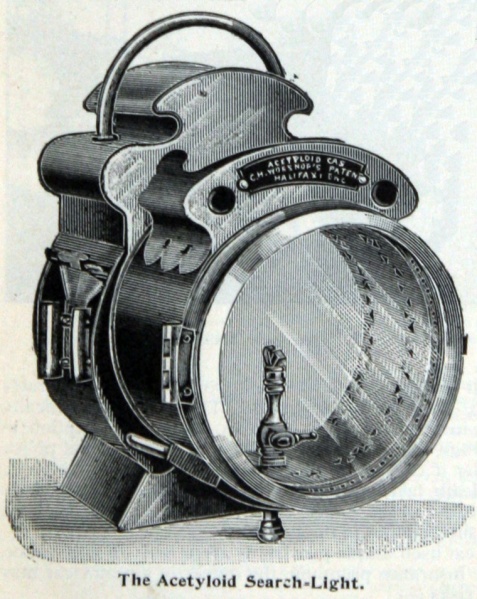
The family also developed products of its own. One was the Sun central-draught lamp. Another was a laundry preparation sold under the name Lavolio.
The latter was sufficiently distinctive to be registered as a trade mark. The Chemist and Druggist recorded the registration of Lavolio as a preparation for laundry purposes, naming Charles Henry Worsnop of Cheapside, Halifax, as its proprietor.
This is a useful reminder that Victorian Halifax businesses were not all textile manufacturers. Some were developing consumer products and competing in specialist markets.

The building behind the shops
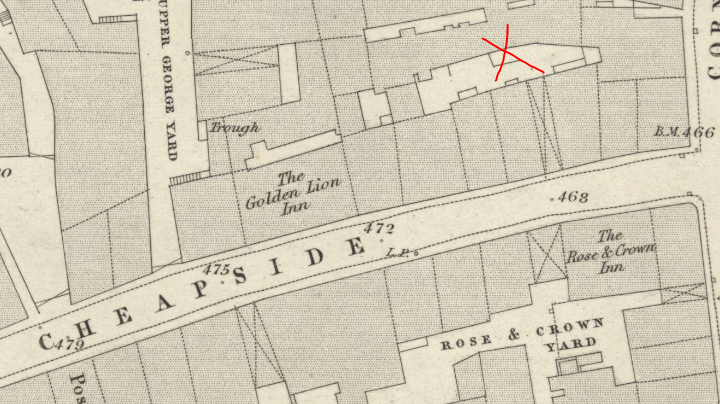
The explosion occurred in a three-storey building in an enclosed yard behind the Cheapside shopfronts.
The building was used for electroplating. A gas engine was installed in the lower room.
The contemporary report in the Manchester Courier described the premises as being occupied by C. and H. Worsnop. It was a working industrial building tucked away behind the street's commercial frontage.
That arrangement was not unusual in Victorian towns. Shops could face the street while workshops and manufacturing rooms occupied yards and buildings behind them.
The location meant that the explosion affected more than the people inside the works. Nearby workrooms, warehouses and the public house opposite were also damaged.
The morning of the explosion
There were six people working inside the building when the explosion happened.
Two young men in the upper room escaped. One climbed through a skylight onto the roof, while another clung to a window frame until he could be rescued by ladders.
Two workers in the lower room also managed to get out, although both were knocked down by falling stones and timber.
The two people in the middle room were not so fortunate.
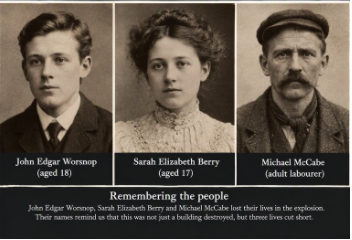
They were John Edgar Worsnop, aged 18, and a young woman whose identity was reported inconsistently in the newspapers.
The Manchester Courier identified her as Miss Hartley, of Crossley Terrace. The later inquest account identifies her as Sarah Elizabeth Berry, aged 17. The surviving local-history research notes that the identification as Hartley may have been a mistake. Until the original inquest papers or a reliable civil registration record are checked, it is safest to retain both versions rather than pretend the discrepancy has been resolved.
A fire broke out following the explosion. Firemen eventually recovered the young woman's body from the wreckage, while Worsnop's body remained buried beneath debris until around one o'clock.
The newspaper described the destruction as extensive. The interior of the building had been completely wrecked, and the surrounding walls were left in a perilous condition.
The third victim
A labourer named Michael McCabe had been working in the yard, where excavation was taking place.
He was struck by falling masonry and suffered a fractured skull. He was taken to Halifax Infirmary, where he remained unconscious.
The first newspaper report said he was not expected to recover. He died at the infirmary approximately three hours after the explosion.
The disaster therefore claimed three lives: John Edgar Worsnop, the young woman working in the building and Michael McCabe.
The tragedy affected people from different parts of the workforce: a member of the business family, a young female employee and a labourer working outside the building.
An A.I. generated scene
Was it a bomb?
In the immediate aftermath, the cause was uncertain.
The explosion was so violent that the possibility of a deliberate act was considered. The Home Office was informed, and officials examined whether a bomb might have been responsible.
The inquest account, however, records that Home Office officials did not intend to send an inspector because there was no apparent reason to believe the incident was anything other than a gas explosion.
There were no explosives on the premises.
The suspected cause was an escape of gas in the lower room, where the gas engine was situated. One possible explanation was that a gas pipe or joint had been damaged by the recent collapse of an adjoining building.
This remains a suggested explanation rather than a proven account of the precise failure. The evidence available in the contemporary report does not establish exactly what broke or how the gas ignited.
The distinction matters. The explosion was initially alarming enough to prompt questions about a bomb, but the available evidence pointed towards an accidental gas explosion.
The damage to Cheapside
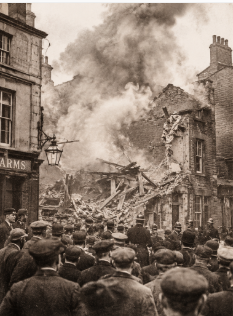
The force of the blast extended beyond the factory.
The Manchester Courier reported that scores of windows in the surrounding yard had been blown out. Workers in nearby rooms and warehouses were injured or badly shaken.
The Foresters' Arms, directly opposite the works and only a few feet away, suffered considerable damage. Its windows were blown in and debris covered the floors.
A large crowd gathered as news spread through the town.
For people living and working around Cheapside, this was not a distant industrial accident. It had happened in the middle of a busy commercial district, behind the ordinary shopfronts of Halifax.
The full financial cost was not established in the initial newspaper report.

A leter scene in Cheapside
What became of the business?
The explosion did not mark the end of the Worsnop family's commercial activities.
The family continued to trade in lamps, oil goods and electroplated products. A notice in the London Gazette dated 5 October 1894 records the dissolution of the partnership between Charles Henry Worsnop and Jean Jacques Forrer.
Their business had been conducted at Cheapside and Carlton Place under the name Worsnop and Co., making petroleum lamps and stoves, electroplating, and dealing in glass and hardware. They also traded in tobacco and cigars under a separate partnership name.
This notice is useful because it shows the range of activities associated with the Worsnop name just four years after the disaster.
The business's later history included lamp manufacturing at Savile Park Road. The Worsnop name remained associated with Halifax industry into the twentieth century.
Charles Henry Worsnop, the younger member of the family, became involved in electrical and battery technology. His later patent work included a composition for producing illuminating gas, patented in the United States in 1900.
The family story therefore extended beyond the Victorian lamp and electroplating trade into the developing electrical age.
Remembering the people, not just the explosion
It is easy to remember the Cheapside disaster simply as a dramatic explosion: a building destroyed, a public house damaged and crowds gathering in the street.
But the records give us the names of the people who died.
John Edgar Worsnop was only 18. Sarah Elizabeth Berry, if that is indeed the correct identification of the young woman reported as Miss Hartley, was just 17. Michael McCabe was an older labourer who had been working outside the building.
Their deaths were not simply a statistic in a list of Victorian industrial accidents. They were three lives lost in a workplace tucked behind the familiar shops of Halifax town centre.
The Worsnop business itself is also worth remembering. Its lamps, electroplated goods and laundry products show the variety of manufacturing that once took place in Halifax's smaller workshops.
The explosion of September 1890 exposed the dangers hidden behind those shopfronts. It also left a detailed contemporary record of a family business, its employees and a moment when an ordinary working morning turned into a catastrophe.
This is an AI-generated historical illustration, not genuine 1890 photograph.
If you have enjoyed your visit to this website, please spread the word by clicking the 'like' and 'share' buttons below. Thank you