Historic Hipperholme
Historic Hipperholme


Halifax Road

Chelsea House - Belvidere
stands on the left hillside as you approach Hipperholme from Stump Cross


Hipperholme Tannery


The stretch of Hipperholme presents a picturesque collection of residential properties, commercial establishments, and notable structures. These buildings line the main Halifax Road, positioned on the Halifax side of the Hipperholme crossroads. As one travels along this route, the landscape opens into expanses of greenery, with trees dotting the roadside as it descends gently towards Lower Bethel and eventually reaches Stump Cross.
Travelling from the Halifax Road—the primary route for those journeying between Halifax and Leeds—Watergate runs along the left-hand side, marked by an electric lamp standard. This road descends sharply in the direction of Hipperholme Station, providing access to Sunny Vale. On the opposite side lies Kirk Lane, which rises towards Towngate and the Denholme Gate Road.


A Lost Penny
An old English coin has turned up at Kirk Lane in Hipperholme, on land owned by the Hibbert family. The discovery was made during progress on building work there.
The coin is a George III penny, dated 1777. It is said to be in excellent condition and is thought to be the first example of this particular penny ever found in Ireland.
The piece weighs roughly twice as much as a modern penny.
How it came to be buried in the ground remains uncertain. One suggestion is that it may have been hidden long ago during a time of unrest. More recently, it has been proposed that it could have been dropped by someone travelling along the old turnpike road, which once passed through that part of the district. Kirk Lane lies on the main route to Coley, and the area would have been busy with traffic in earlier days.
Perhaps the penny was originally intended to be placed in the foundations of the nearby Coley Church during building works.


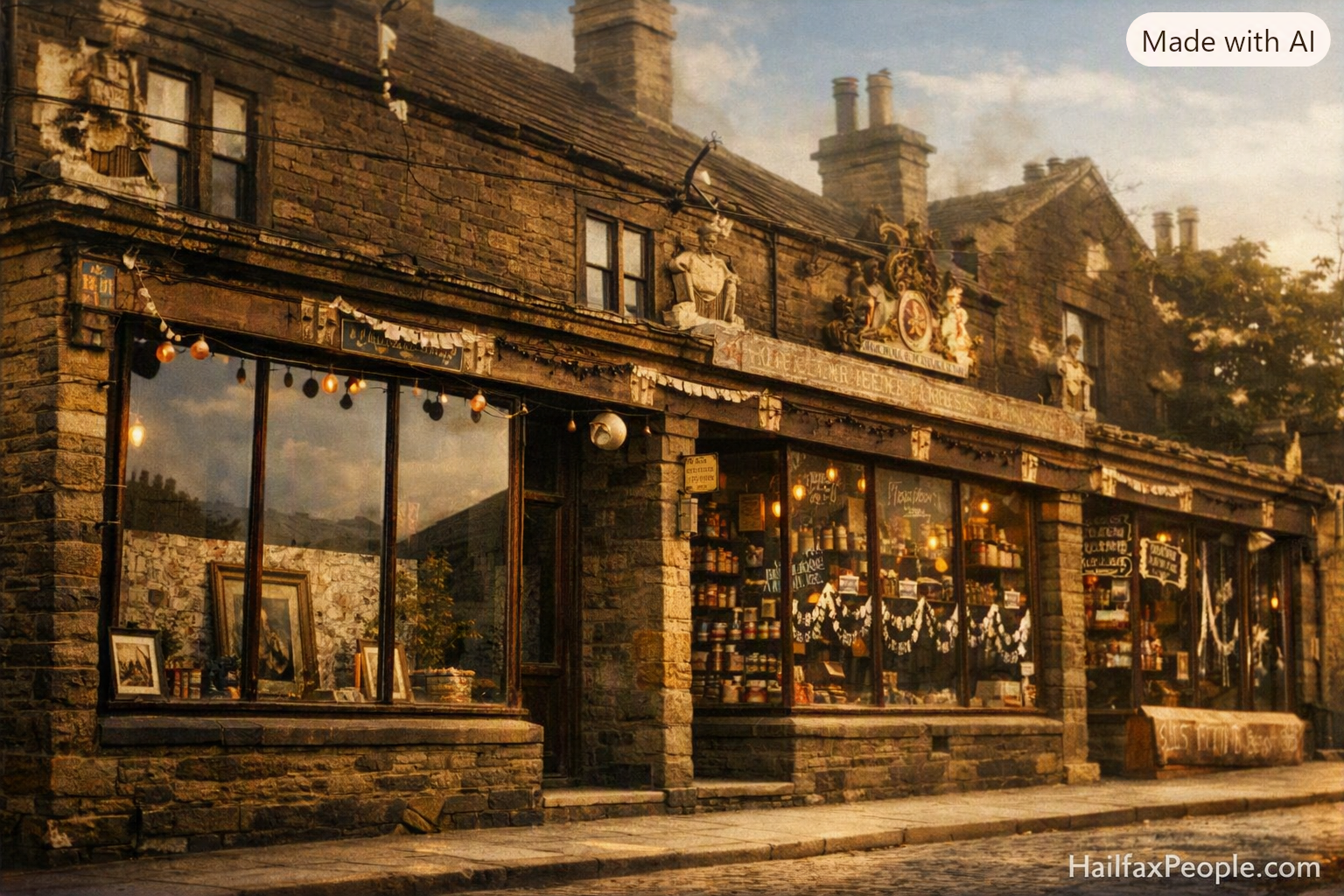
enhanced


Shibden Hall Road


enhanced

enhanced


This particular section of Hipperholme lies near the railway station—a location largely hidden from the view of the many travellers who use the main road connecting to Brighouse, Leeds, and surrounding areas. A glimpse of this main thoroughfare can be spotted on the right side of the image at the top.
Access to the station from the main road follows a path that runs behind the Tannery (visible in the picture). However, an alternative steep footpath also branches directly from the road, providing a more direct route for those wishing to reach Sunny Vale or access the railway.
The station entrance faces sharply to the right, positioned almost directly across from the Travellers Inn. Beyond this point, the railway line continues over a bridge.
The railway itself was extended to reach Low Moor, departing from Halifax, on 10 May 1850.


Denholmgate Road


Hipperholme Grammar School

When the School Had 50 Boarders
Some characters and changes recalled.
Many readers will remember the old school at Hipperholme and Lightcliffe, and the lively group of pupils who once lived there. A few of those former boarders are still well known locally, and their names bring back a very particular era in the village.
One of the best-remembered figures was the headmaster of the time, a man widely referred to as “Mr. S.” He was known for being strict, and for keeping a close eye on discipline. In those days, the school was not only a place of lessons—it was a busy household too, with boarders, staff, routines, and all the small dramas of daily life.
The building itself stood prominently, and the grounds around it were familiar to generations of children. People still recall the comings and goings at the entrance, the sound of footsteps in the corridors, and the sense that the school was at the centre of village life.
With time, of course, things altered. The number of boarders dwindled, and the school’s role in the community shifted. Yet for those who knew it in its earlier years, the memory of that period remains vivid—full of recognisable faces, habits, and stories that still get repeated whenever old Hipperholme is discussed.
“A Pack Horse Lane”
Old routes, old names, and what people remember.
Kirk Lane has long been regarded as one of the older routes through the district, and it is often described as having the character of a packhorse way—narrow, winding, and shaped by centuries of use. In earlier times, it served as a practical link between scattered farms, cottages, and the wider road network.
Local tradition has attached various stories to the lane. Some say it was once busy with carriers and pack animals, while others remember it mainly as a quiet, tucked-away passage that still feels older than the streets around it. Even today, parts of it retain that sense of age—stone boundaries, uneven ground, and the impression of a route made for feet and hooves rather than modern traffic.
Older residents have also recalled the people who lived along this way, and the small details that used to mark it out—particular houses, familiar nicknames, and the everyday scenes that don’t make it into official histories but survive in conversation.
As with so much in the area, the lane’s story sits half in records and half in memory: a reminder that Hipperholme’s past isn’t only found in dates and documents, but also in the routes people walked, the work they did, and the names they used for the places they knew best.


Langlea House
  |
  |
  |
 |


Langlea House

Brighouse Road


Leeds Road


Opening of Hipperholme Town Hall 1899
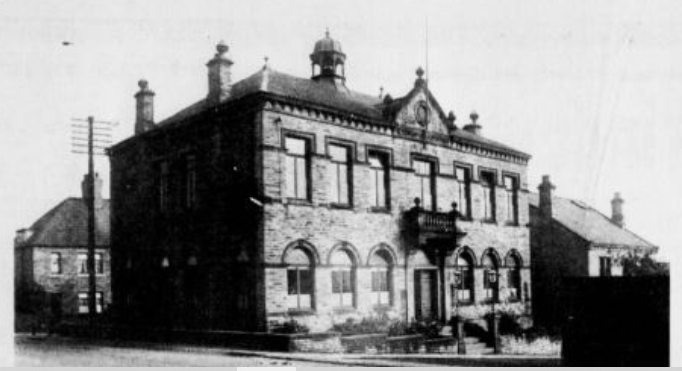
This week’s photograph shows the Masonic Hall at Hipperholme.
Older readers will likely remember it best as the only—and the shortest-lived—picture house in Hipperholme. It is said that, for a period, the Brighouse cinema used to bring films over by road, with audiences paying at the door. At the time, film entertainment was still competing with other popular pastimes.
Later, the film reels were once again brought in, and cinema attendance began to rise. One can’t help wondering whether better films, lower prices, or simply changing habits played a part. Unfortunately, this renewed interest came too late for the Hipperholme cinema.
The people of Brighouse had been introduced to moving pictures much earlier. As far back as 1902, the first showings were held at the Old Town Hall building (now the Civic Hall), organised by the Edison Photo Company. That was a very early taste of what would soon become a major form of entertainment.
At the Albert Theatre, the programme was not limited to films. Variety acts also appeared, and the venue became known for its mixed entertainment. The Empire Hall later followed, and by the time the First World War arrived, cinema-going was becoming firmly established.
In 1912, Brighouse saw the opening of a purpose-built cinema: the “walk-in” venue at Wellholme Park, which became a key place for film in the town. Another cinema followed at the Town Hall, and by the late 1910s and early 1920s, film shows were a regular feature of local life.
Hipperholme’s own picture house was built in 1882 as the Hipperholme and Lightcliffe Conservative Club. It later became the cinema, and it is believed to have been the only one the village ever had.
When the Halifax Theatre de Luxe opened, it offered a very different experience—one that drew many people away from smaller local venues. Even so, for a time, Hipperholme’s cinema provided its own particular memories for those who attended.
Two films were sometimes shown at both Hipperholme and Halifax simultaneously. During the interval, a runner would hurry from one to the other, carrying the next reel across the crossroads so the second part could begin. It’s easy to imagine the delays that caused—many remember the break being extended while people waited, chatting or smoking until the reel arrived.
After the cinema finally closed, the building went on to be used by the Lightcliffe Lodge of Freemasons.
Two films were shown at both Hipperholme and Halifax at the same time. During the break between them, someone had the job of dashing from one venue to the other—carrying the first reel from the Halifax hall across the crossroads to Hipperholme’s second hall.
It doesn’t take much imagination to see how awkward that could become, and what difficulties it might cause. Plenty of people still remember the interval being stretched out while the reel was fetched, and some recall passing the time with a chat or a smoke until the film could start again.
After the cinema closed, the building was later used by the Lightcliffe Lodge of Freemasons.

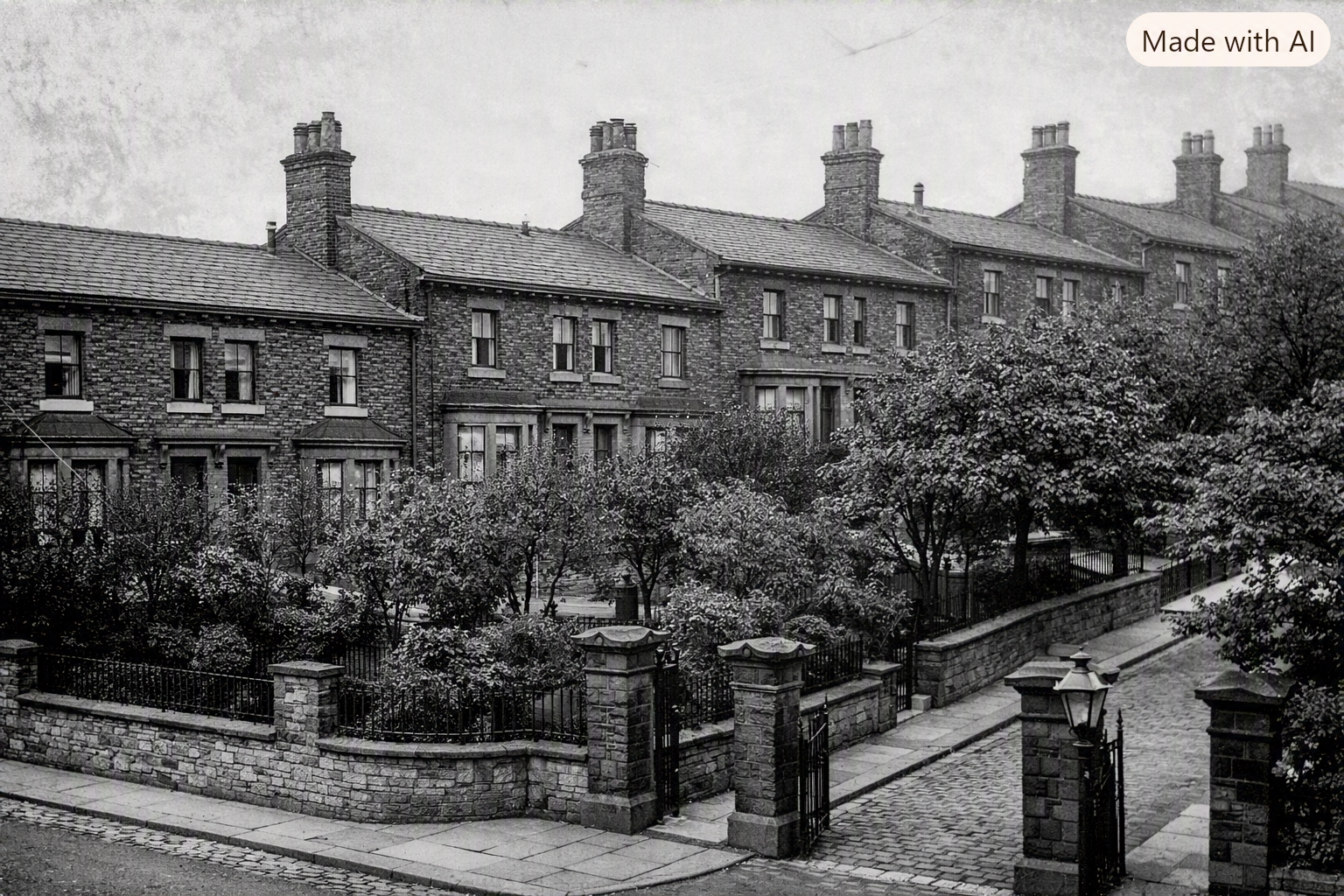
The Crescent
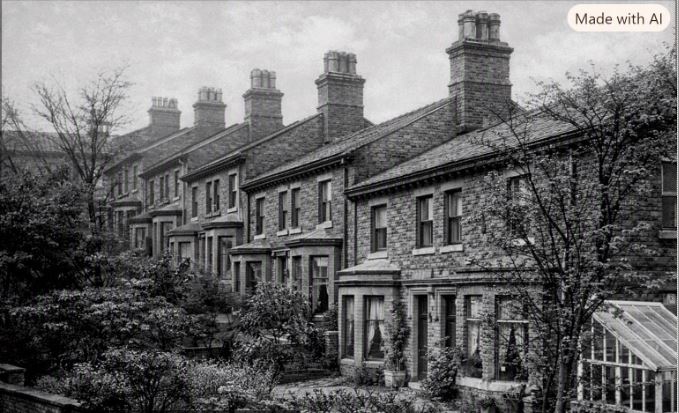
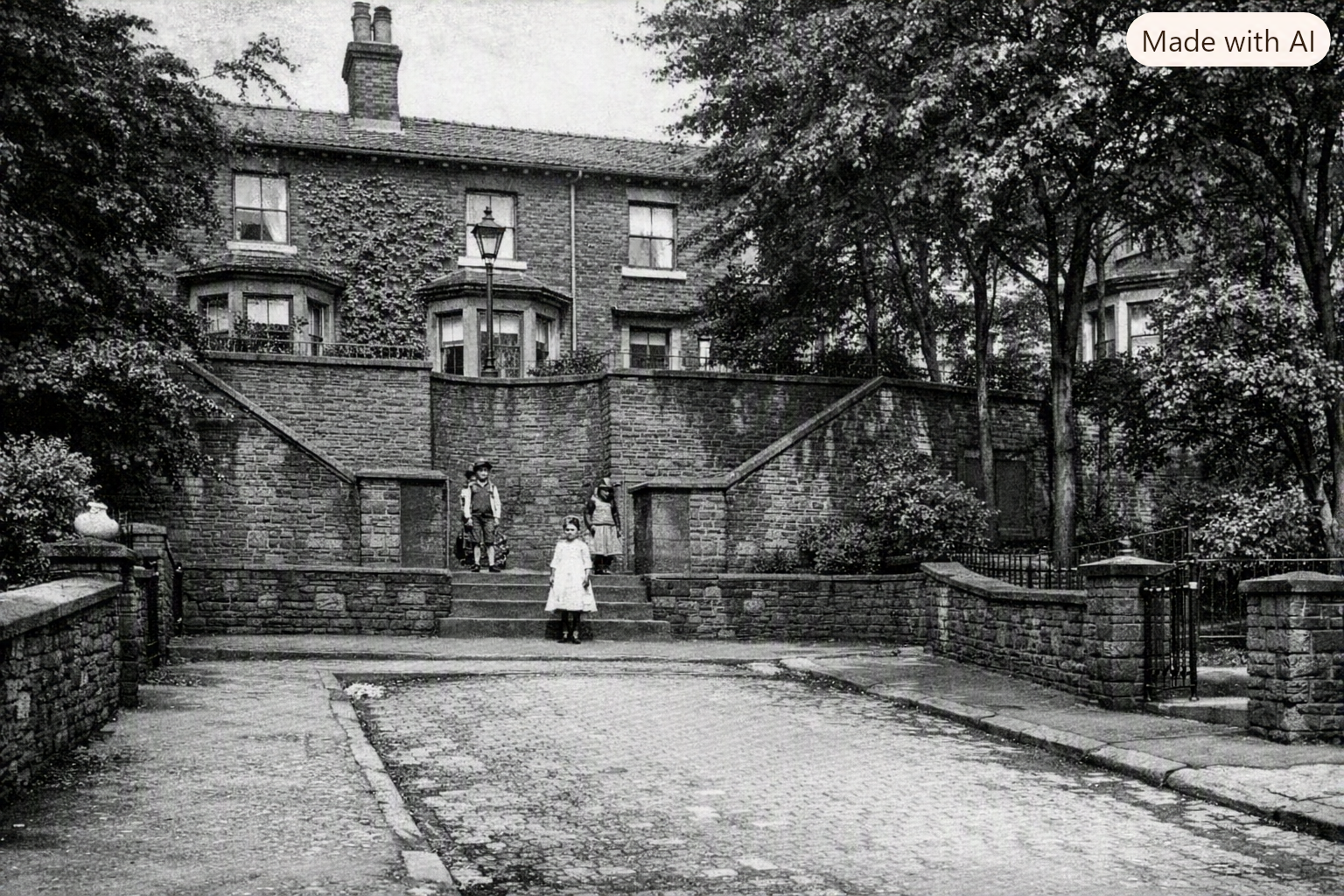
The Crescent

Over the past several decades, much of the housing growth in the Hipperholme and Lightcliffe district has taken place on land situated between the main Leeds Road and Bramley Lane.
This photograph captures a selection of these properties in what locals refer to as The Drive. The houses trace their origins back to Bramley Lane (on the opposite side) and extend towards The Grove—a private residential scheme that was built to connect with the Leeds Road on the northern edge of the area.


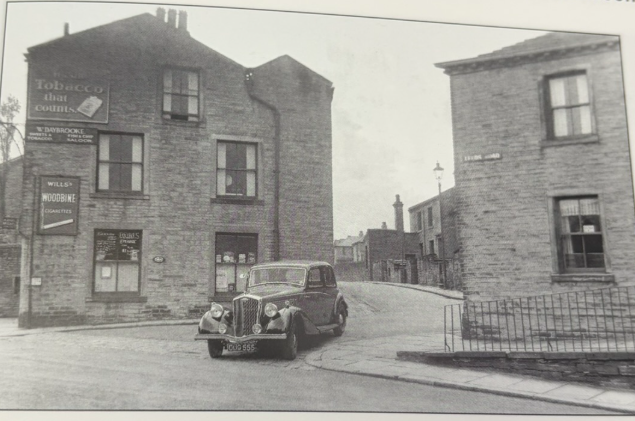

Towards Lightcliffe


George V Coronation


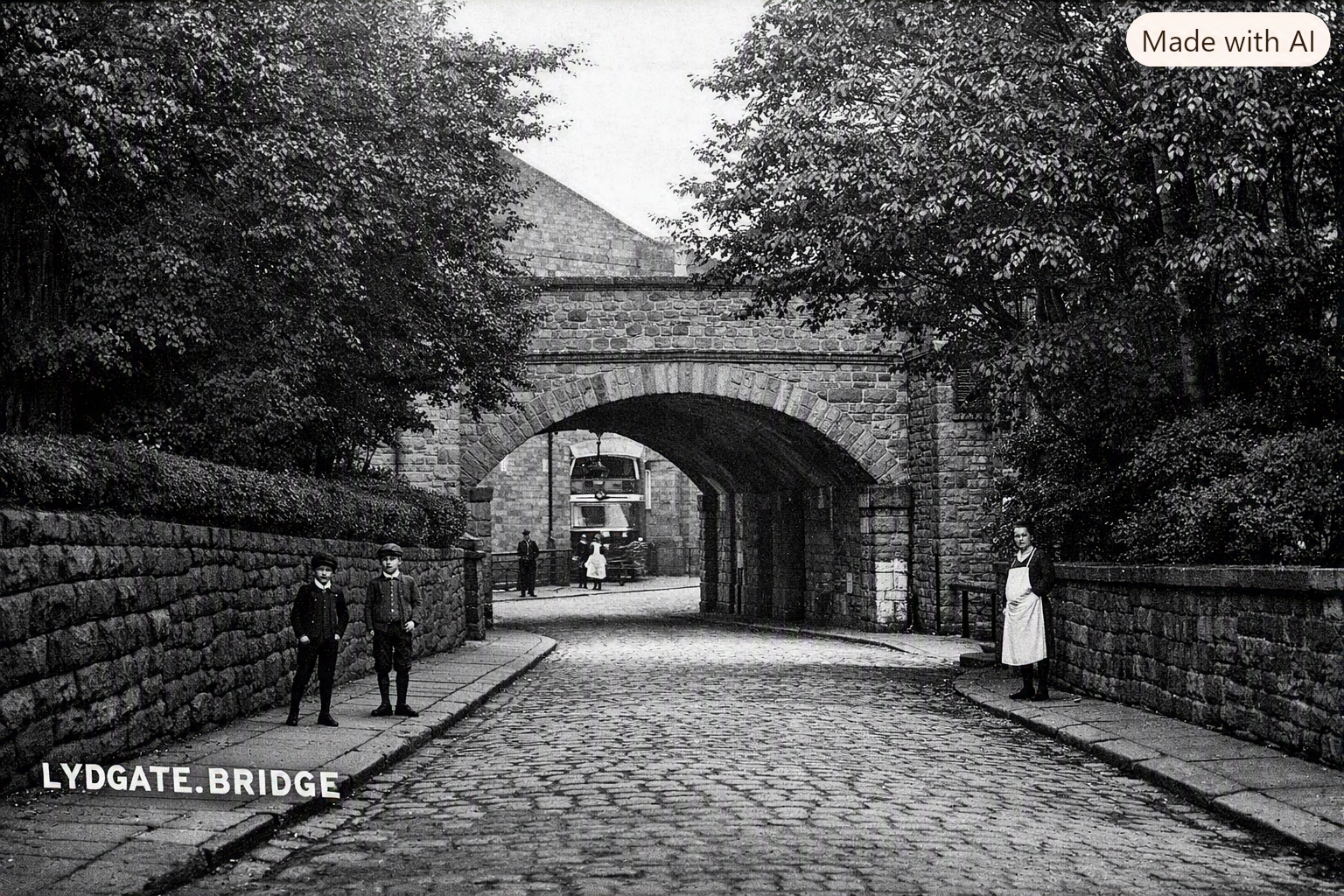

Lightcliffe Train Station


Continue to Historic Hove Edge
or
Return to Home Page
If you have enjoyed your visit to this website, please spread the word by clicking the 'like' and 'share' buttons below. Thank you