WundaNumba 777-545 - What's behind your WundaNumba.com
Saville Park
Savile Park, Halifax — The Moor, Chartist Meetings and Victorian Villas
Savile Park was once known as Skircoat Moor or Halifax Moor, a large area of open common land on the outskirts of Halifax. In the eighteenth century, the Moor hosted horse racing and other public events, and during the nineteenth century it became an important gathering place for political reformers and Chartists. One major Chartist meeting on Good Friday in 1848 reportedly attracted around 20,000 people, reflecting the strength of working-class campaigning in Halifax.
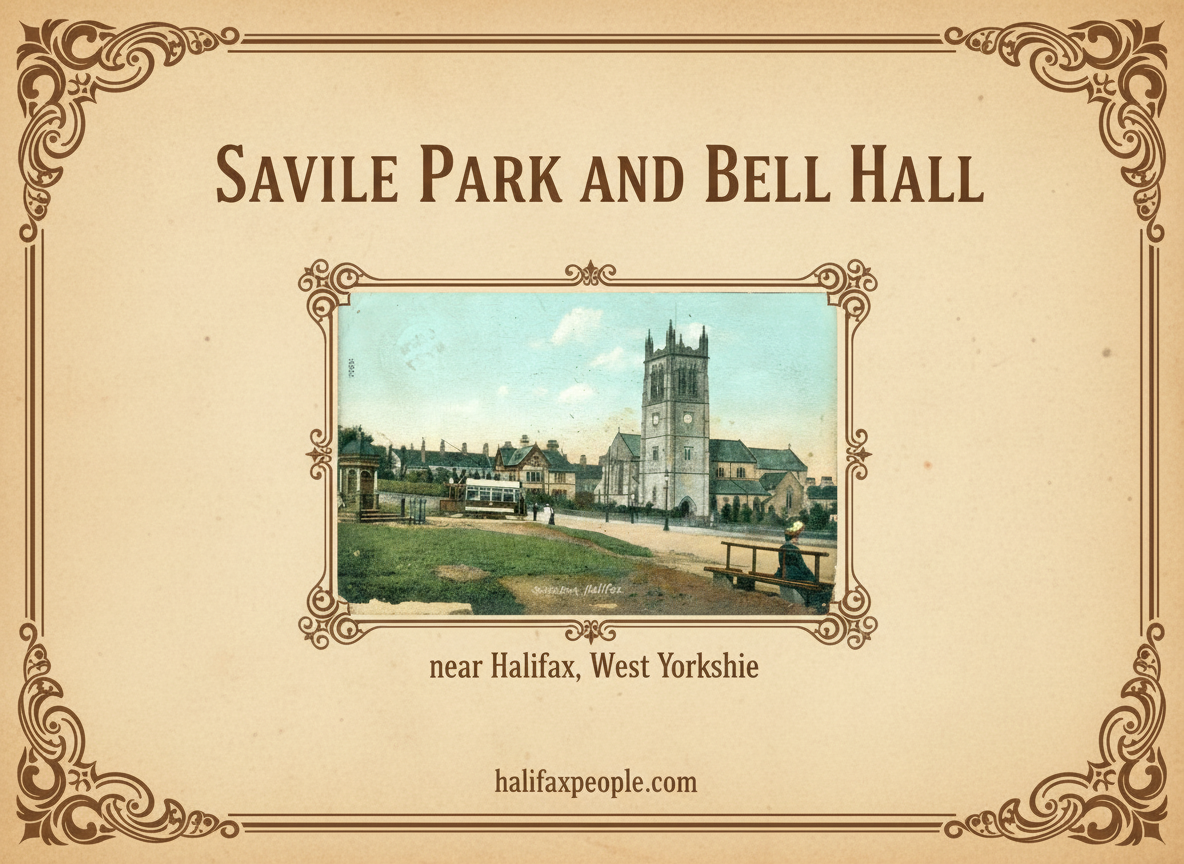
In 1866, Captain Henry Savile sold the land to Halifax Corporation for the nominal sum of £100. The agreement required the Moor to remain open and unenclosed for public recreation, while also calling for action to reduce the smoke pollution affecting the town. A drinking fountain, funded by Joseph Thorp, was erected in 1869 and remains one of the park’s historic features.
As Halifax expanded, the streets around the park developed into a prestigious residential district, with large Victorian villas and substantial houses built from around 1870. St Jude’s Church, completed in 1890, became another notable landmark beside the Moor. During the Second World War, parts of the open land were ploughed for food production as part of the “Dig for Victory” campaign. Today, Savile Park remains an important green space, preserving a distinctive part of Halifax’s political, social and architectural history.