Southowram Blog


WundaNumba 777-545 - What's behind your WundaNumba.com
Southowram, Halifax — Ancient Village, Stone Quarries and the Medieval Magna Via
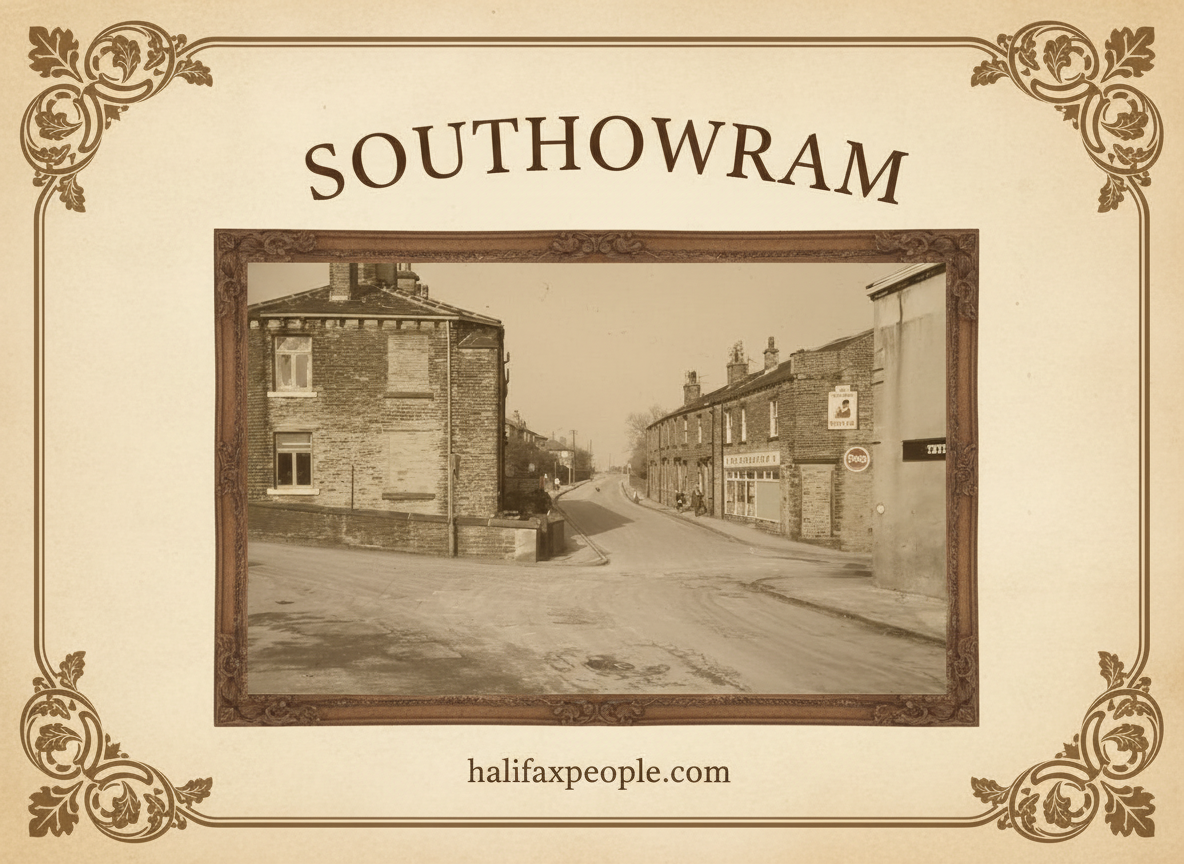
Southowram is a hilltop village to the east of Halifax, with a history stretching back to the Domesday Book of 1086, where the settlement appears under an early form of its name, Oure. By 1275, it was recorded as Sudhouerum, a name thought to refer to the southern slope or ridge above Red Beck. The historic township once covered a much wider area than the modern village, including farms, halls and settlements scattered across the surrounding hills and valleys. Its elevated position gave it views across the Calder Valley and made it part of the network of old routes connecting Halifax with neighbouring communities.
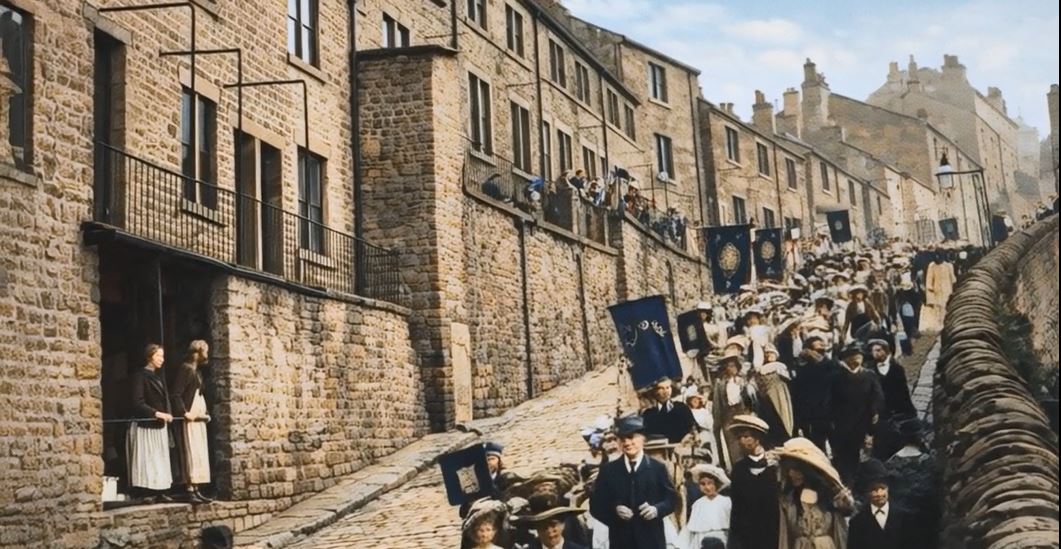
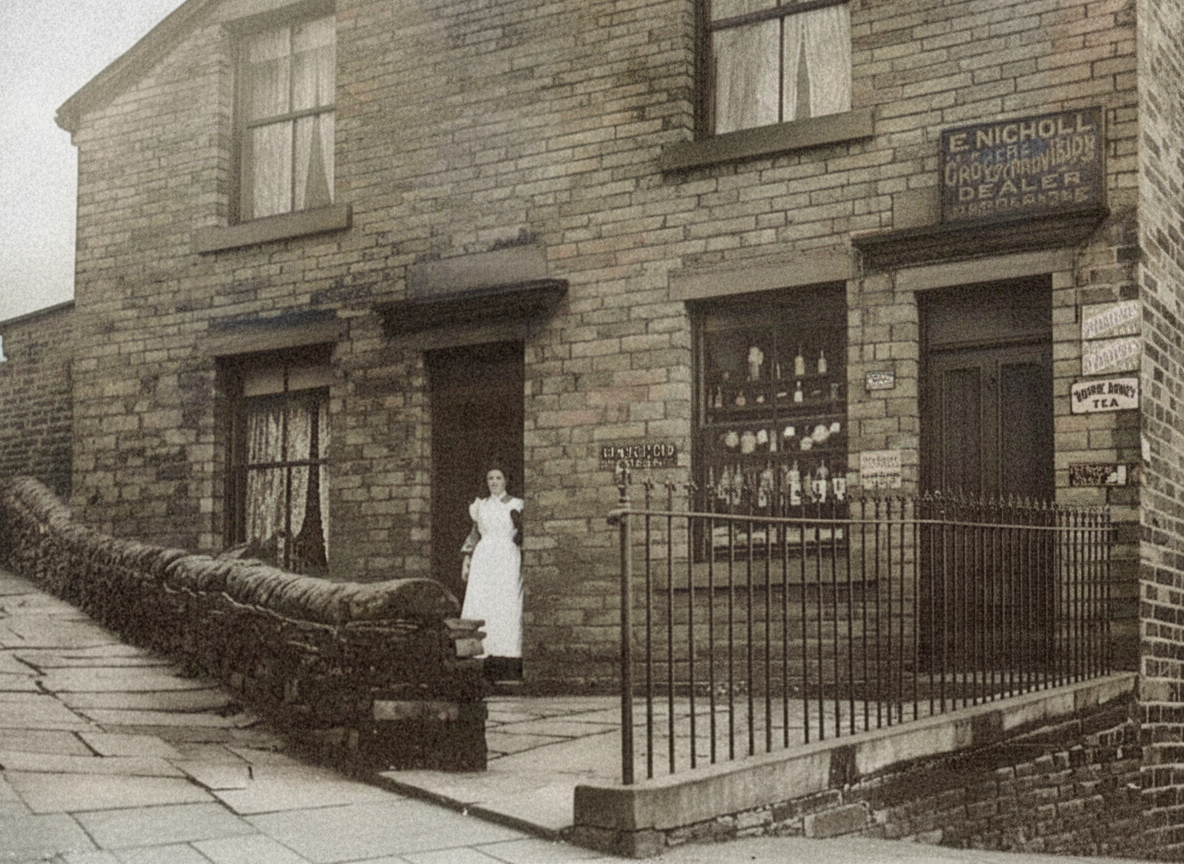
For centuries, farming and stone quarrying shaped life in Southowram. The local stone was widely worked, while coal and clay mining later became important sources of employment. The old Ashday Rutway, used from around 1770 to 1820, helped transport stone flags and slates downhill towards Cromwell Bottom. Industrial activity expanded during the nineteenth century, bringing workers’ cottages, terraces, chapels, schools and local businesses to the village and its slopes. Southowram’s mining legacy can still be traced through historical records of collieries and clay workings, including the Ash Grove mines.
The village’s older heritage survives in its churches, historic houses and the ancient stocks on Towngate. St Anne-in-the-Grove has a particularly long religious history: an earlier chapel was licensed for Mass in 1440, and the present church incorporates a font associated with a chapel dating to 1530. Nearby, the medieval route known as the Magna Via preserves traces of the old road used by travellers moving between Halifax and the wider region. In the nineteenth century, Southowram continued to grow, with new chapels, schools and community institutions, and it was incorporated into Halifax Borough in 1865. Today, the village retains a distinctive mix of old stone buildings, later terraces and newer housing, reflecting its journey from rural farming settlement to an industrial and residential community.







 |
Did you know that when F. Broadley built the houses on Higgin Lane, they were sold as the Hazle Mount Estate and Broadway and Sunway were sold as Stoney Croft Estate? |

Click on the picture for lots more Southowram Pages

Join in and write your own page. It's easy to do. How?
Do you have a great story or memory about Southowram? Share it!
If you have enjoyed your visit to this website, please spread the word by clicking the 'like' and 'share' buttons below. Thank you