Waterhouse Street
Waterhouse Street, Halifax: A New Street, a Chapel and a Penny Bank
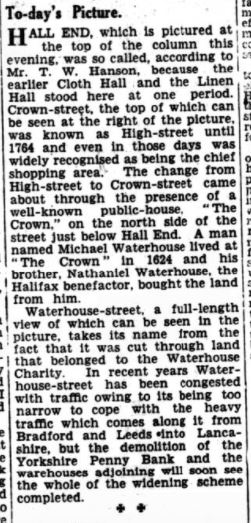
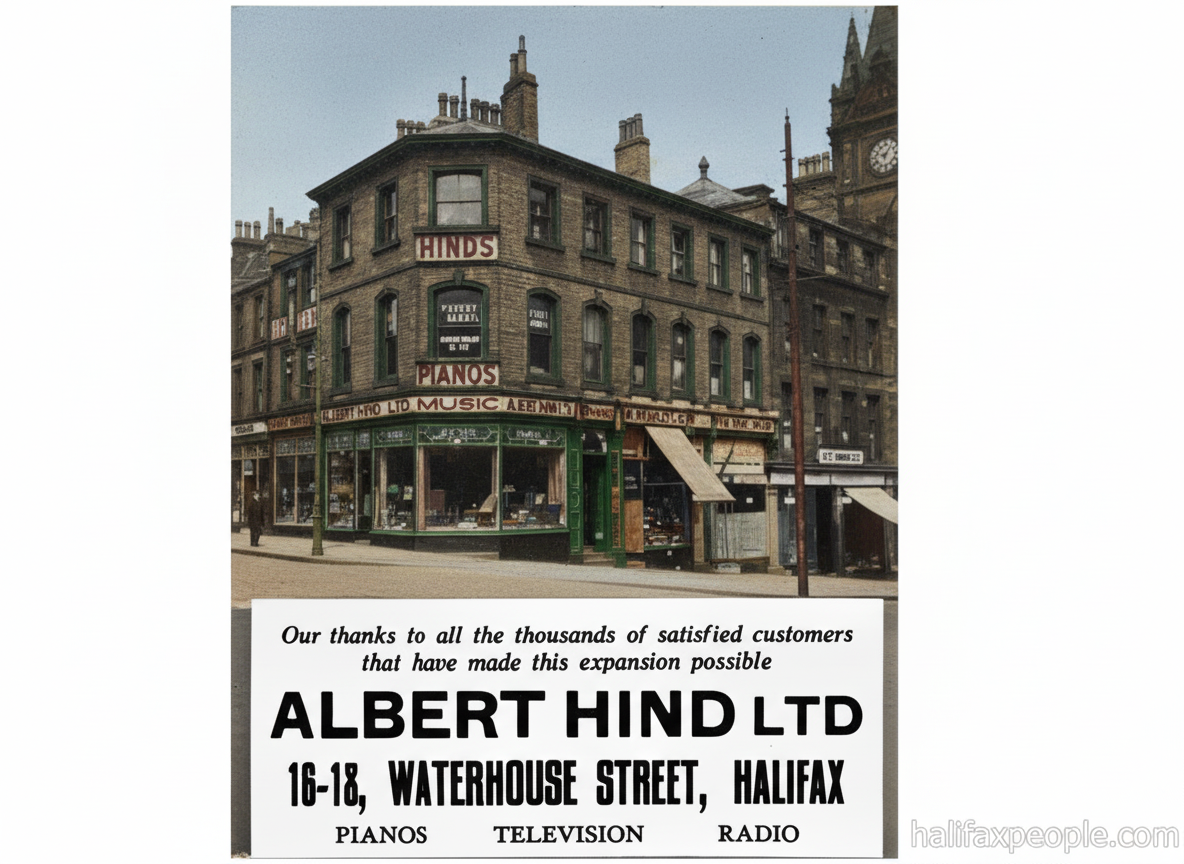
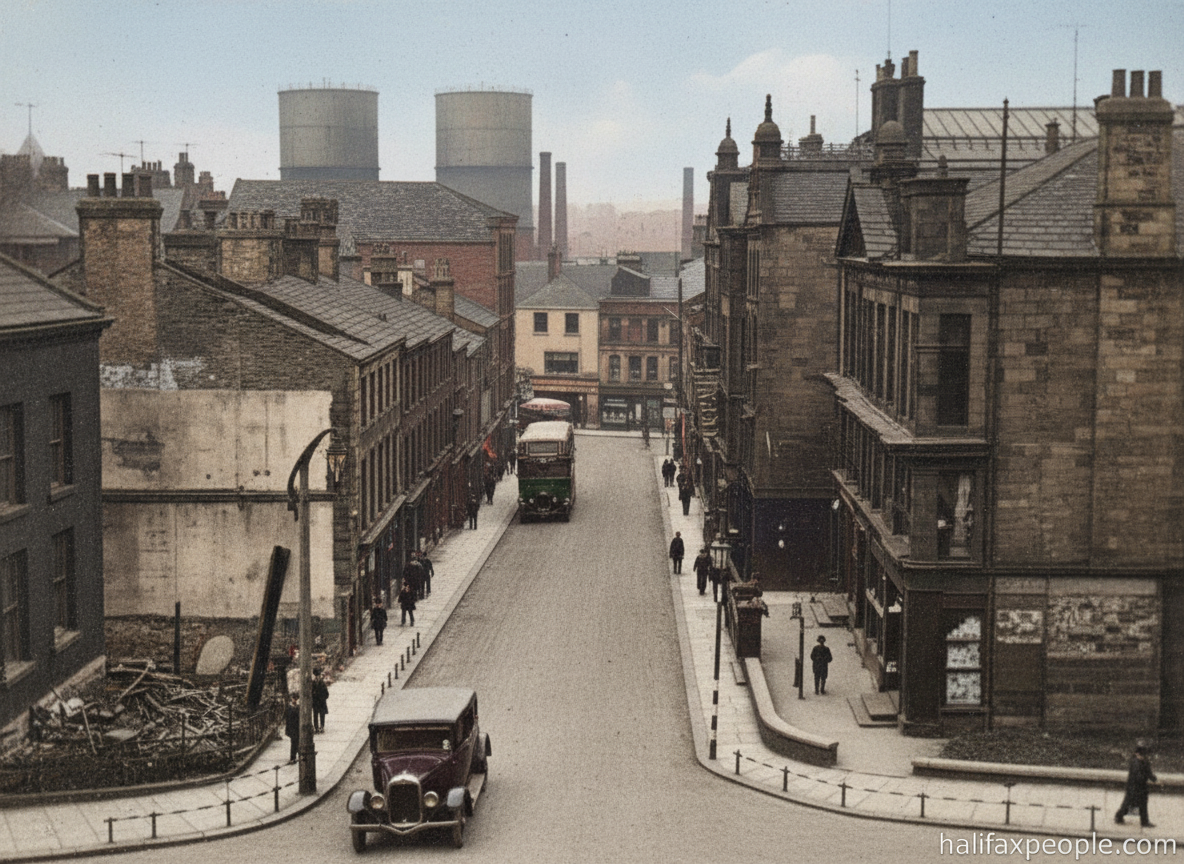
Waterhouse Street was created during a period of change in Halifax’s town centre. Along with Broad Street, it was laid out around 1824 following the Halifax Improvement Act of 1823. Local histories describe the new thoroughfares as handsome additions to the town, replacing parts of the older street pattern with wider roads and new buildings.
A chapel in the new street
One of Waterhouse Street’s notable early buildings was Wesley Chapel, built in 1829. It served Halifax’s Methodist community for more than a century before closing in 1949. The building was subsequently used as Civil Defence Headquarters, giving it a second role during a very different period of history.
The chapel’s story reflects how buildings in Halifax often outlived their original purpose as the needs of the town changed.
Saving money at the Yorkshire Penny Bank
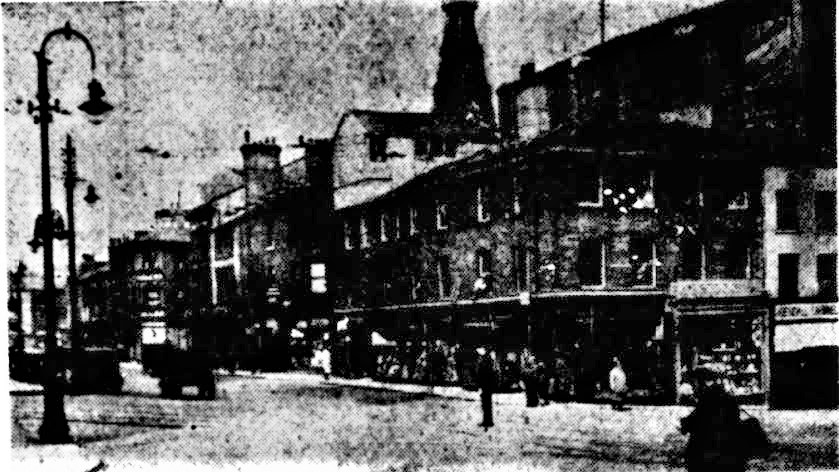
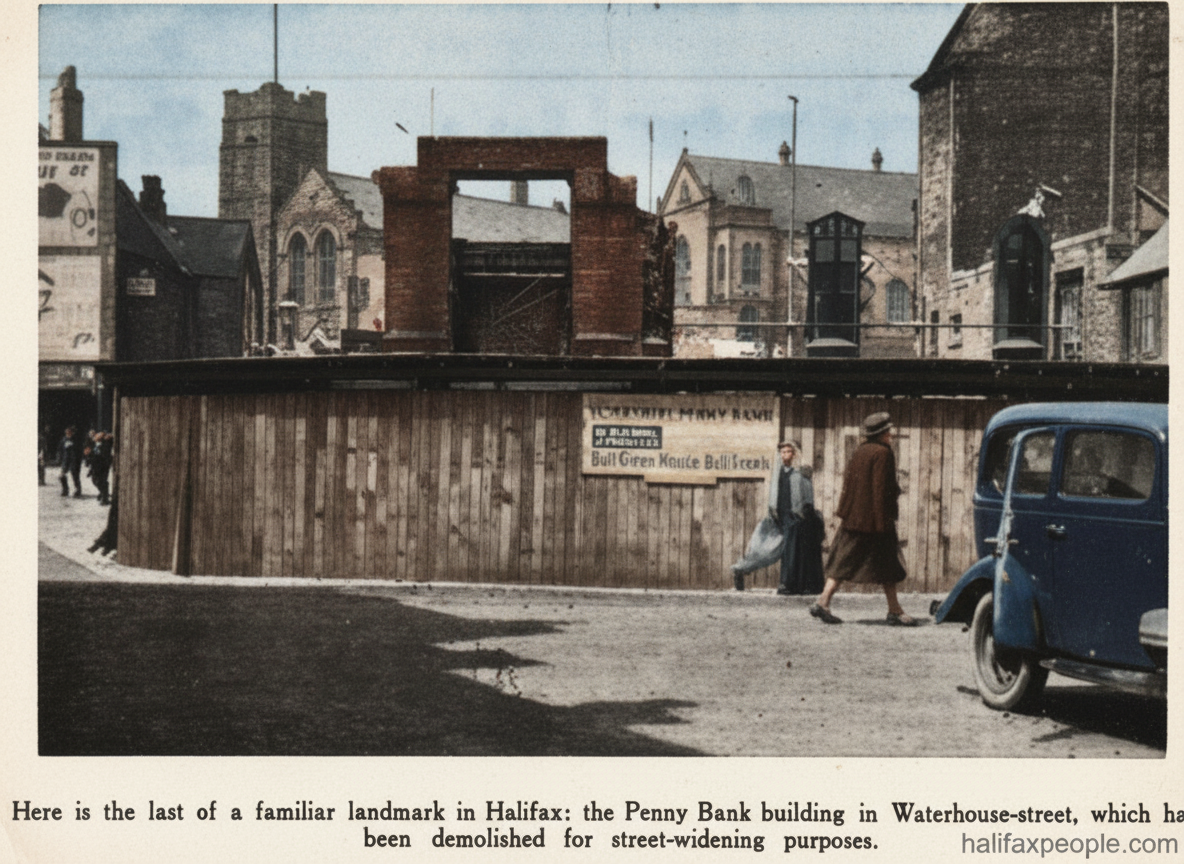
Another landmark was the Yorkshire Penny Bank, whose striking premises stood at the corner of John Street and Waterhouse Street. A historical photograph records the building shortly after its completion in 1888.
Penny banks encouraged ordinary people to save small amounts of money, making banking accessible beyond those with substantial wealth. The building’s prominent corner position made it a recognisable feature of the street, and old photographs preserve its distinctive roofline and stone frontage.
Shops, trades and the changing town centre
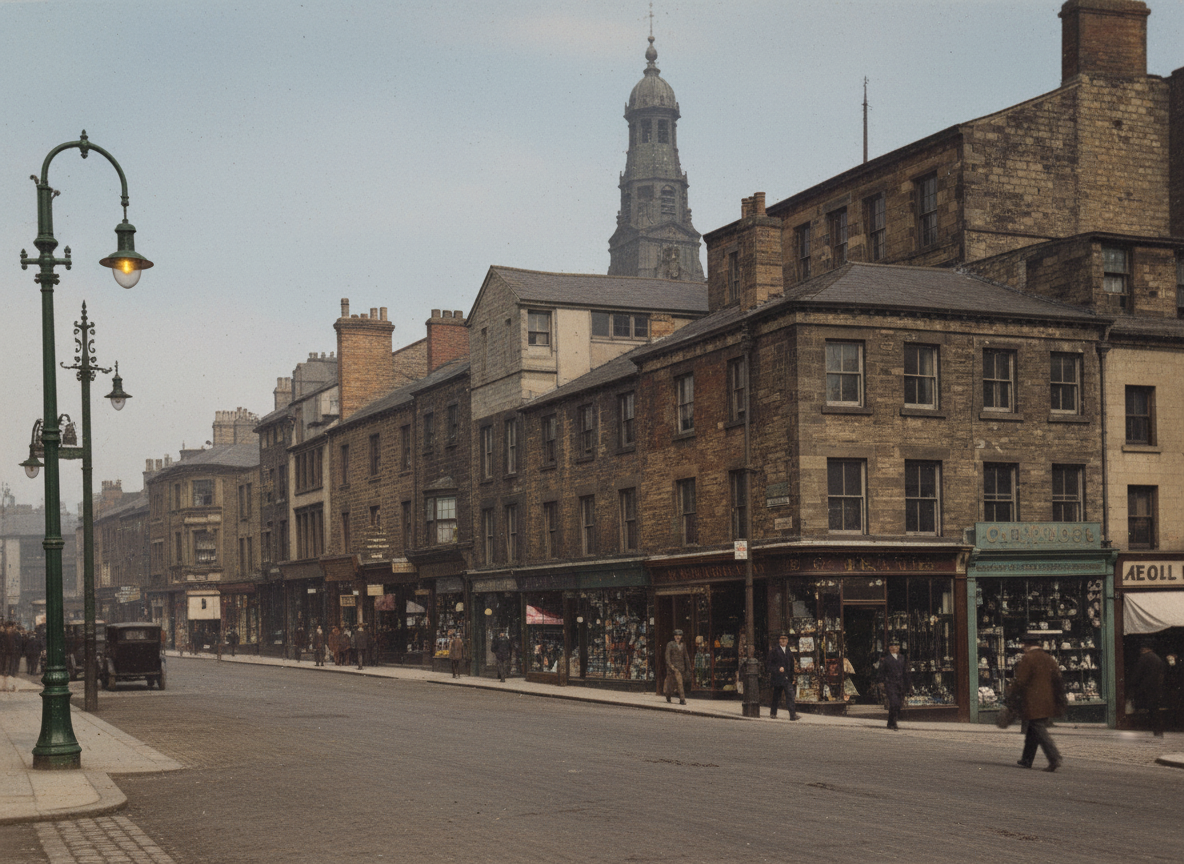
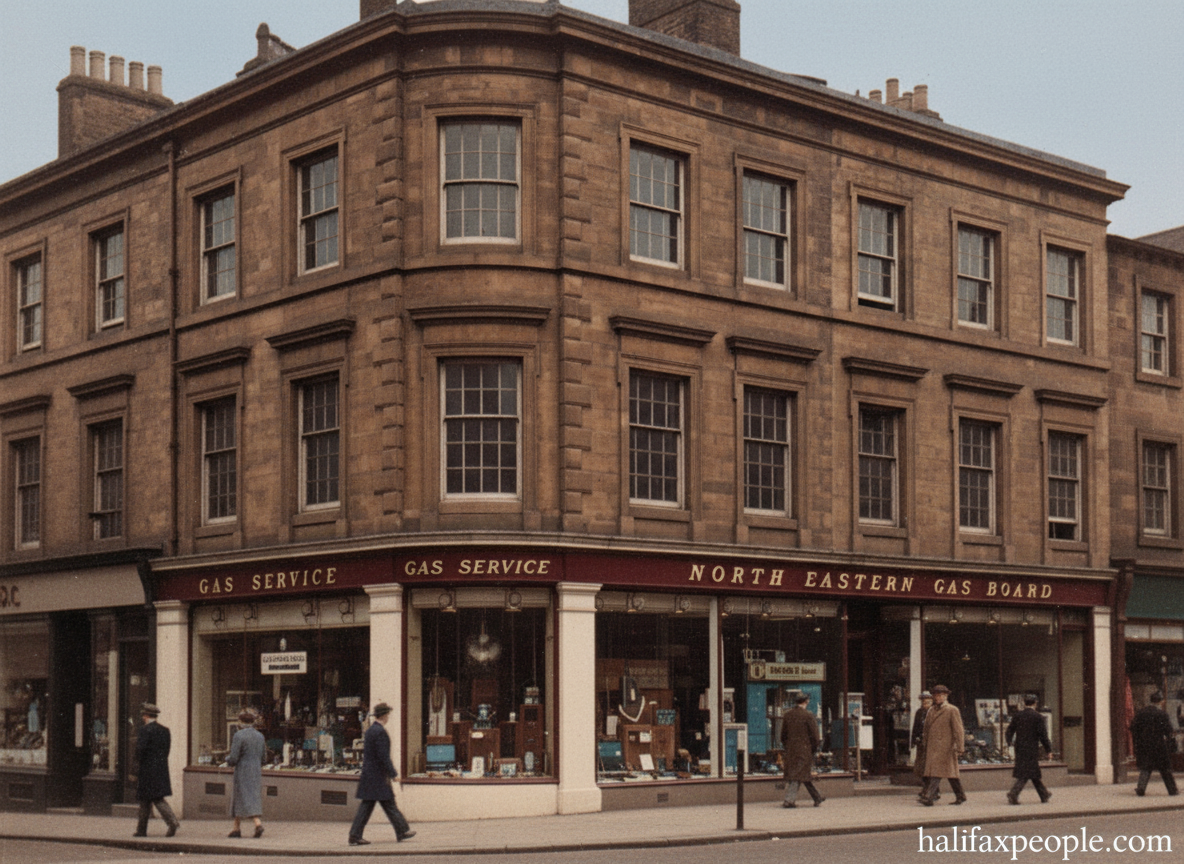
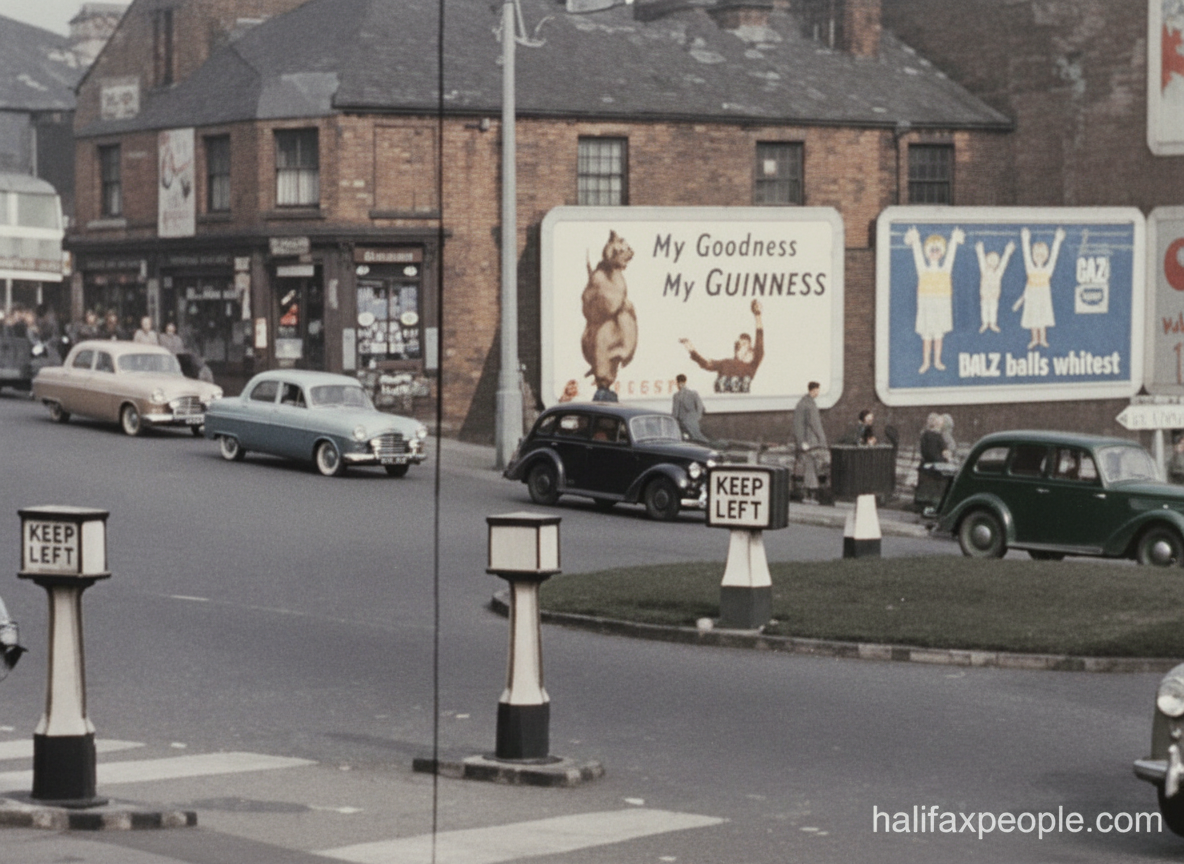
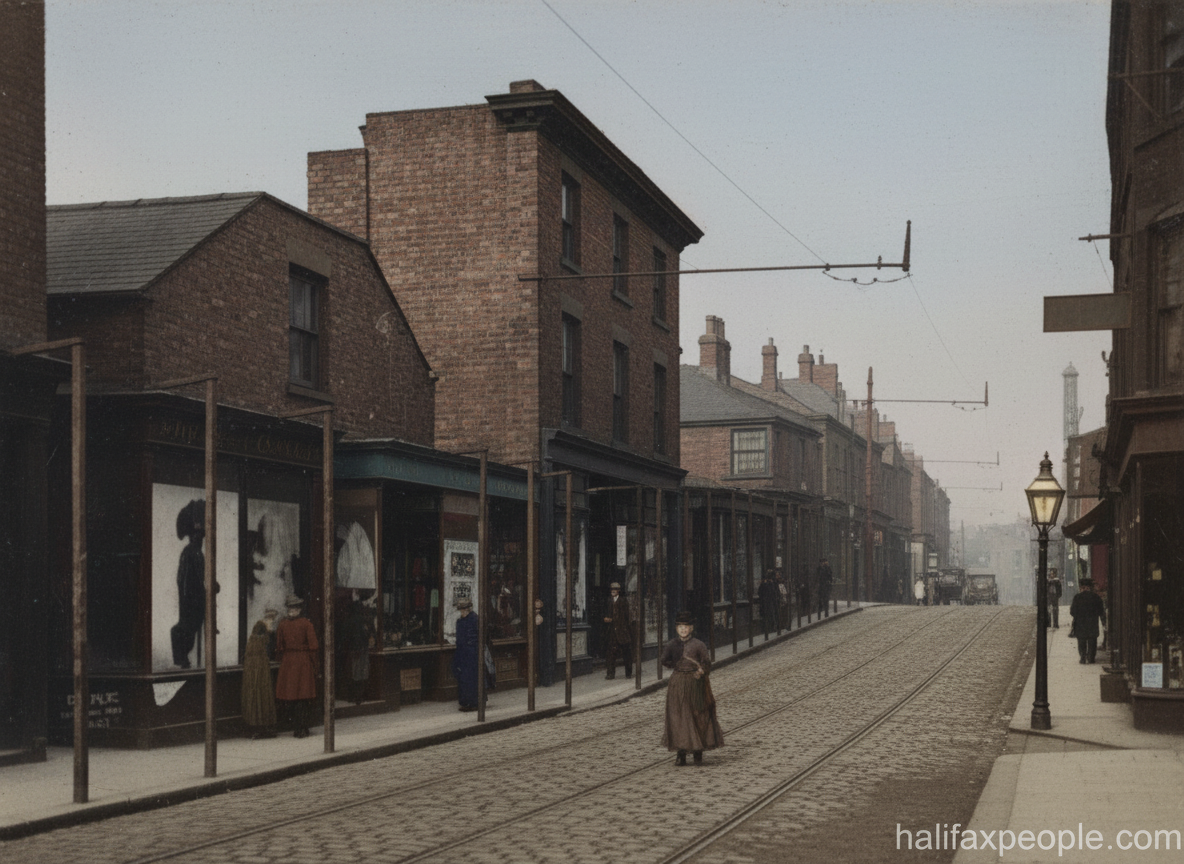
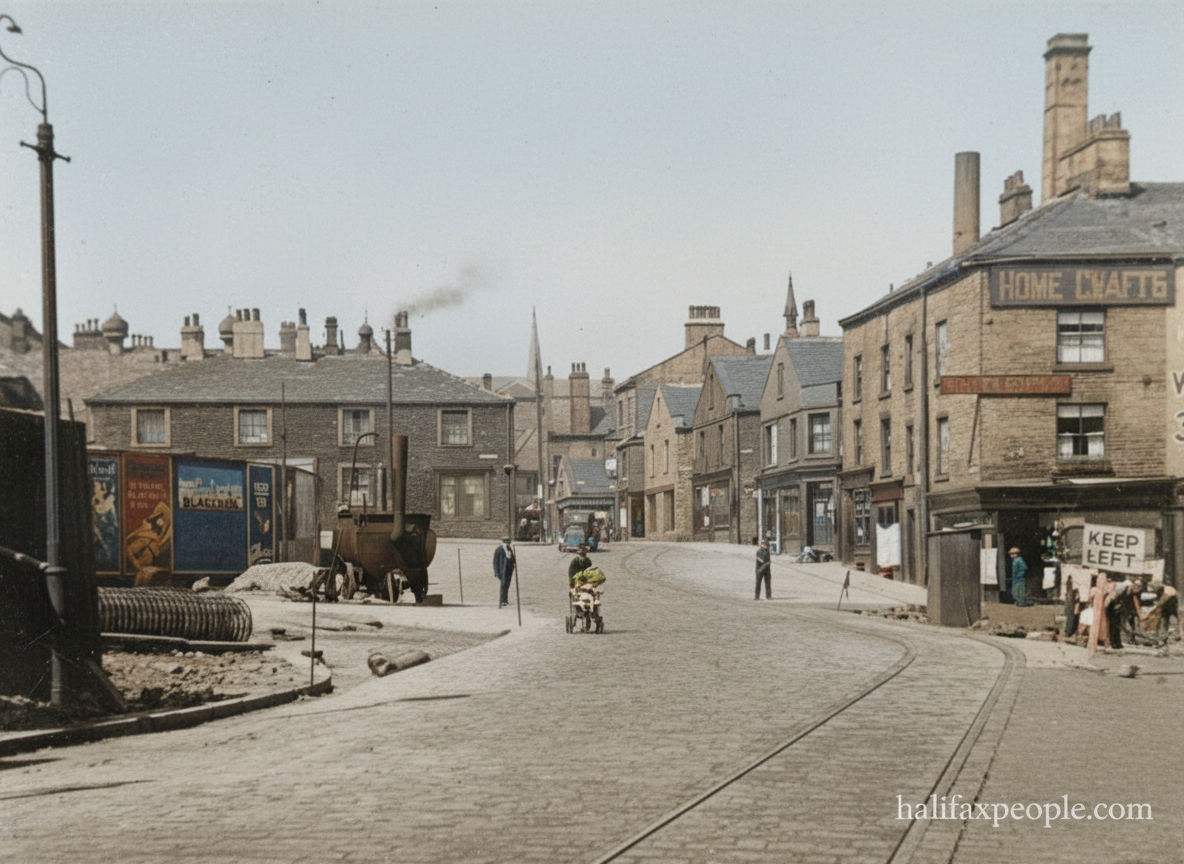
Waterhouse Street was also part of a wider commercial district. Historical photographs show shops and businesses along the street and towards Broad Street, including tailors and horse-related trades in the area known locally as “The City”. Nearby streets such as Orange Street and Milk Street formed part of the dense network of commercial lanes recorded in nineteenth-century street indexes.
Today, the street looks very different from its nineteenth-century appearance. Yet its history reveals several layers of Halifax life: Victorian financial services, Methodist worship, local trades and the continuing redevelopment of the town centre.

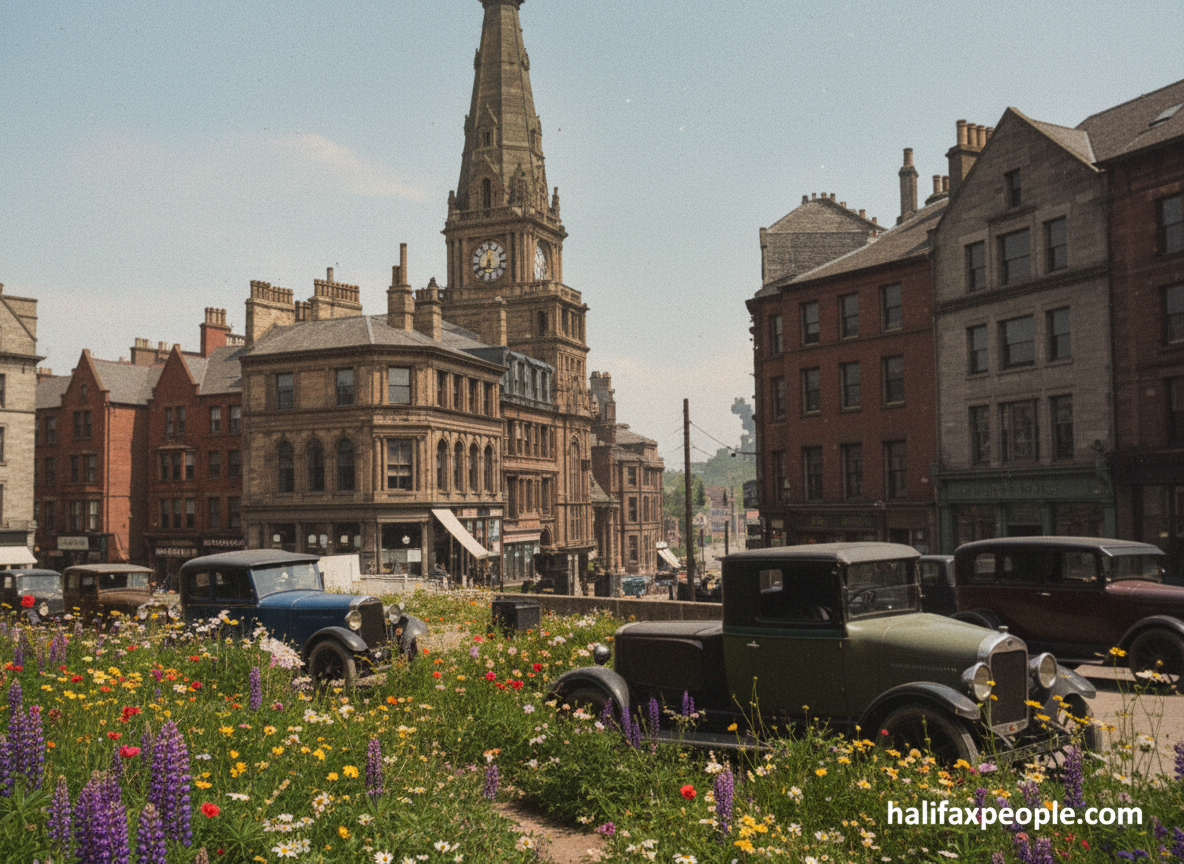
Crown Street (left) - Hall End corner looking towards Waterhouse Street(right)


This picture was taken in 1888, just after the Penny Bank had been completed at the corner of John Street (turreted roof - top centre)
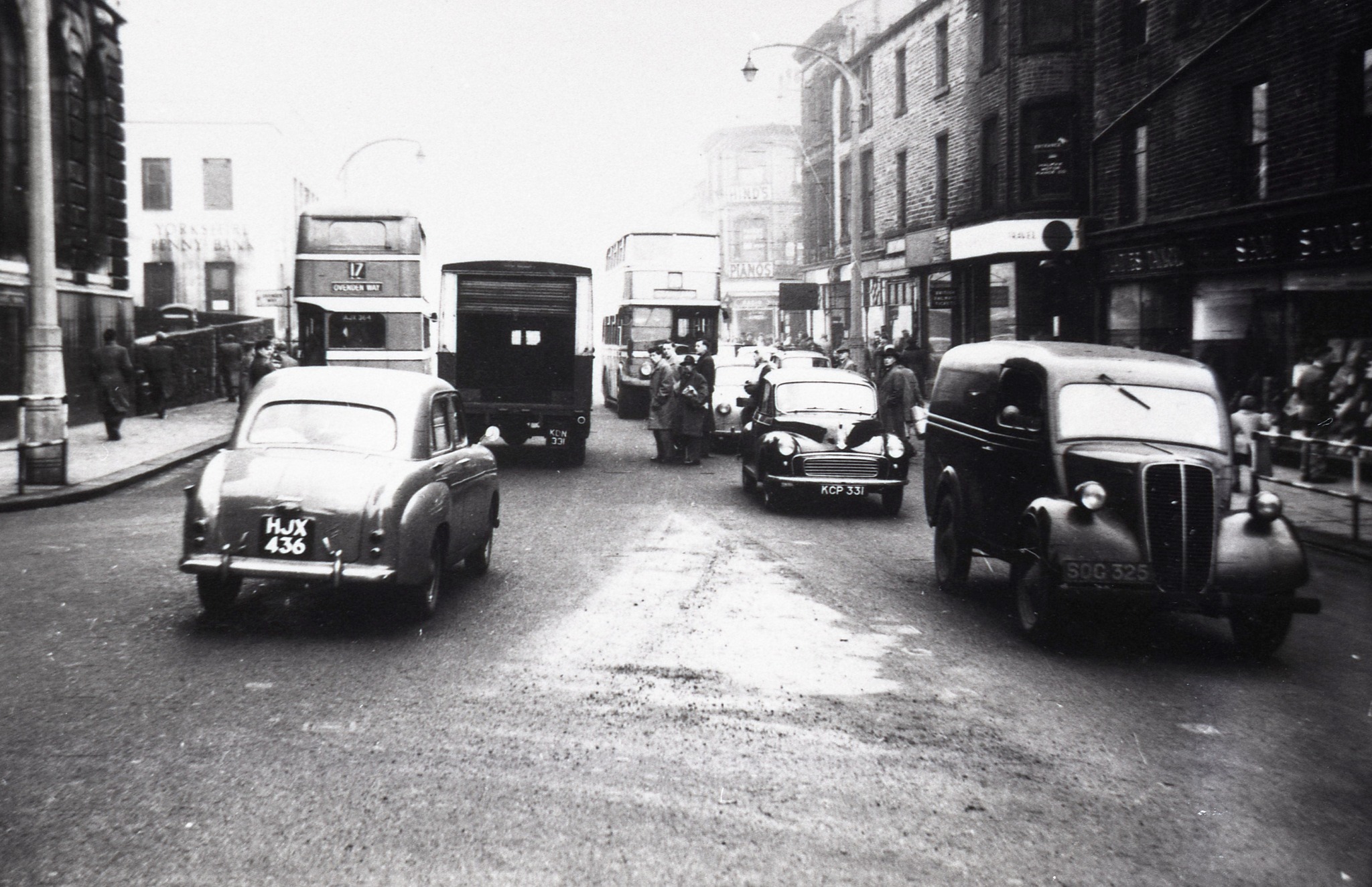
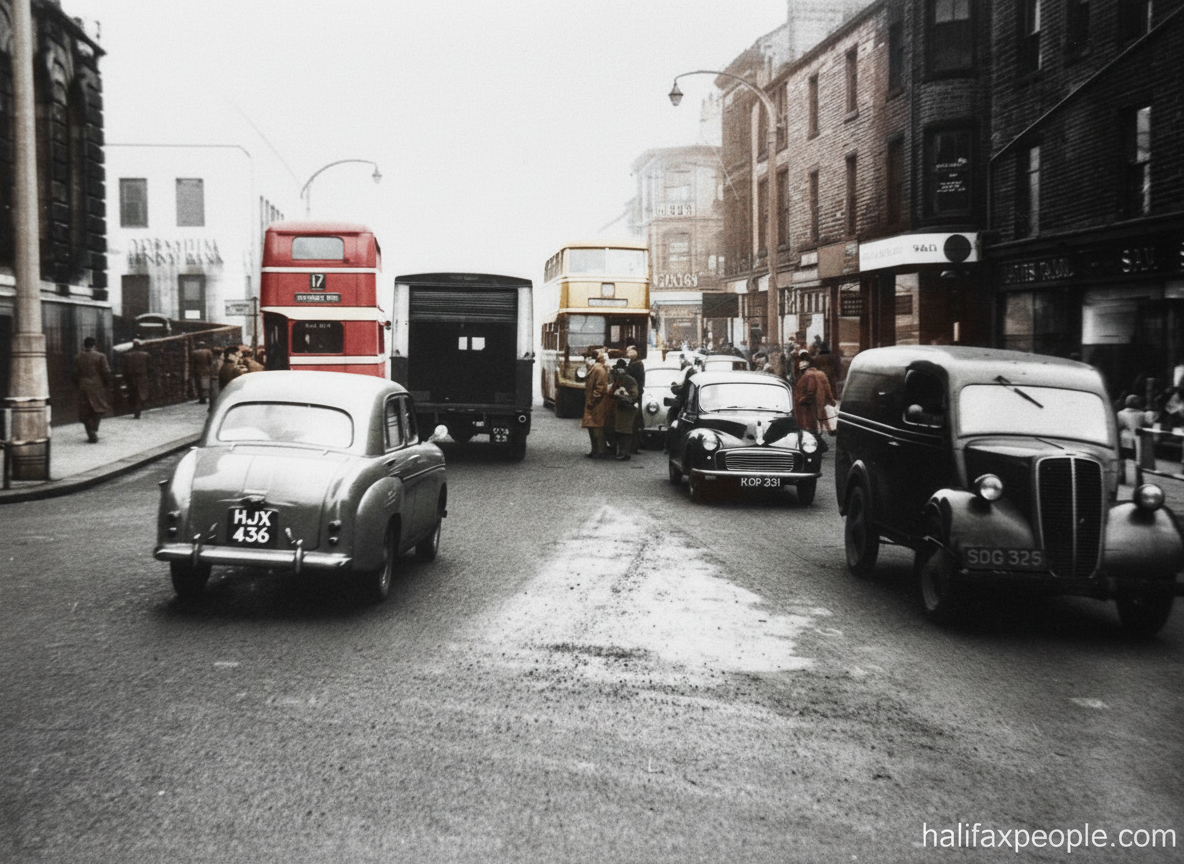
digitised
  digitised |
 |

Yorkshire Penny Bank in Waterhouse Street


digitised


digitised

digitised


digitised

  |
 digitised 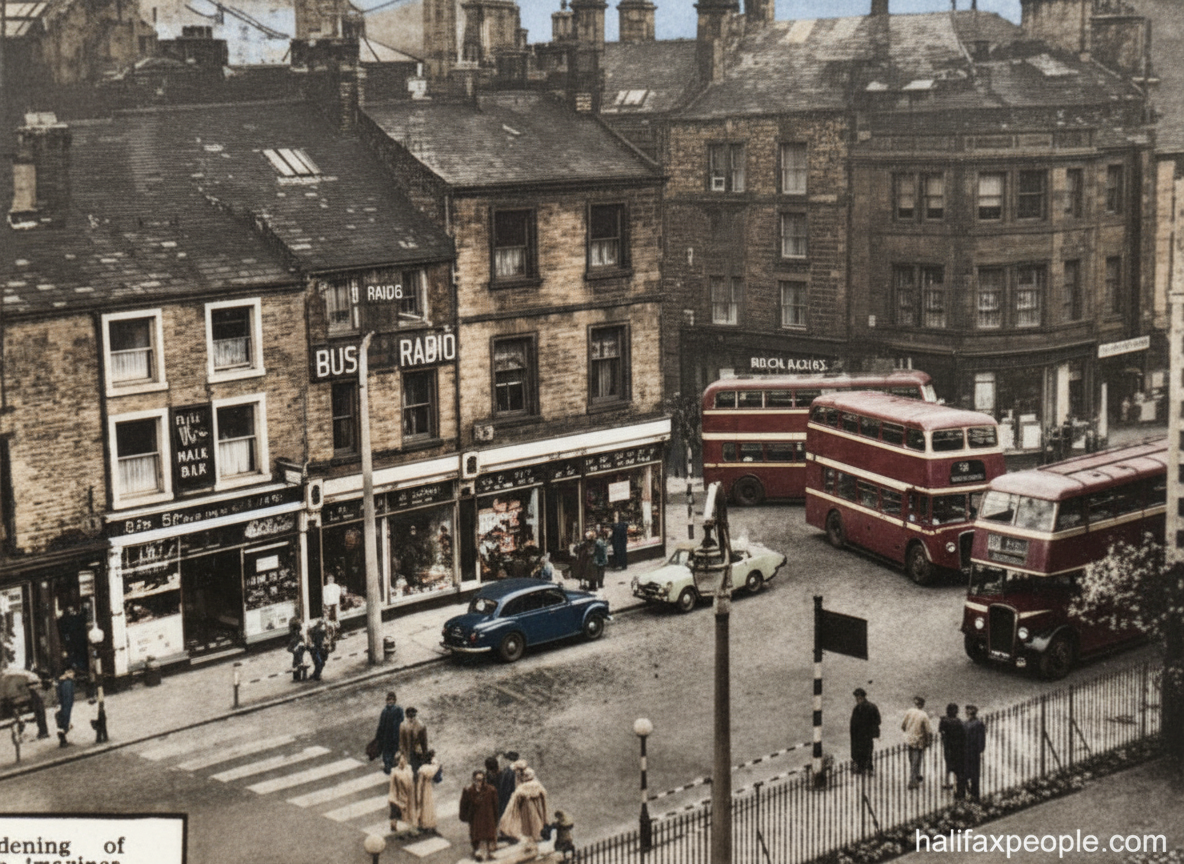 digitised |


digitised


digitised

digitised
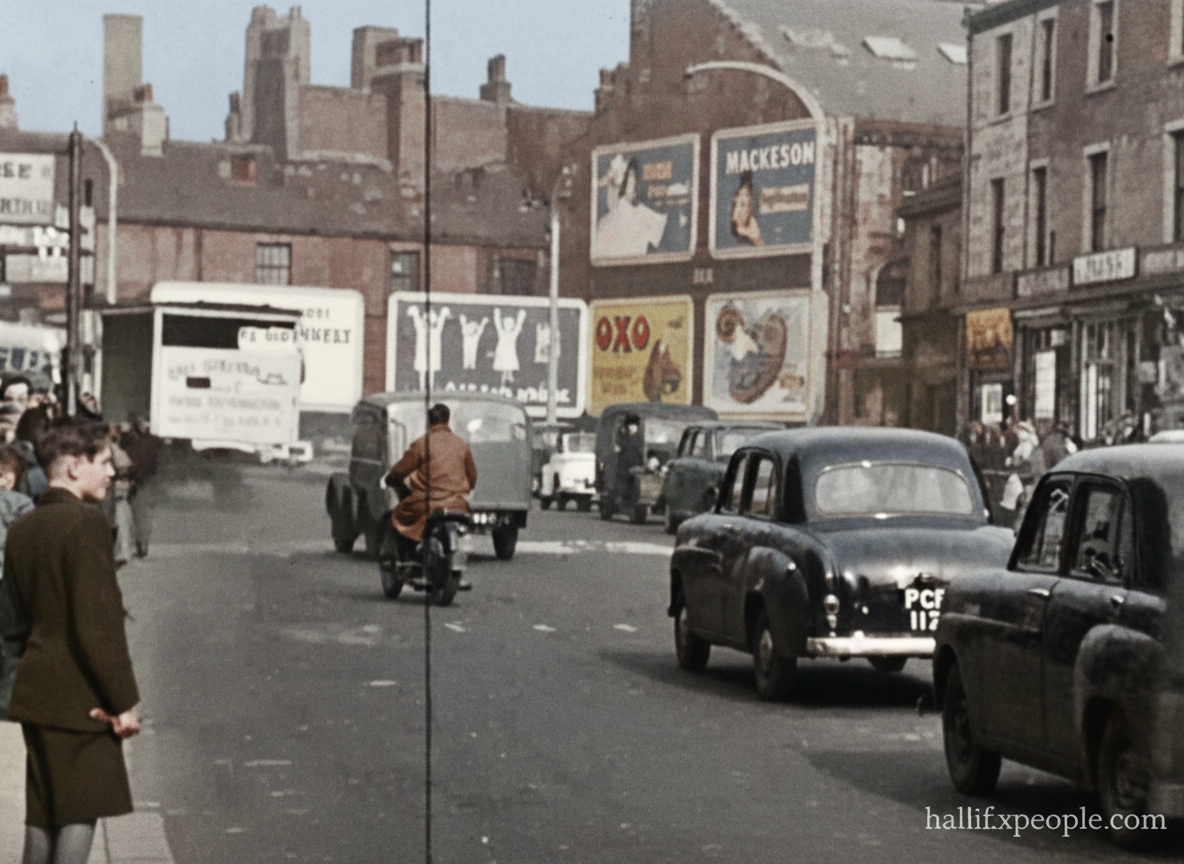
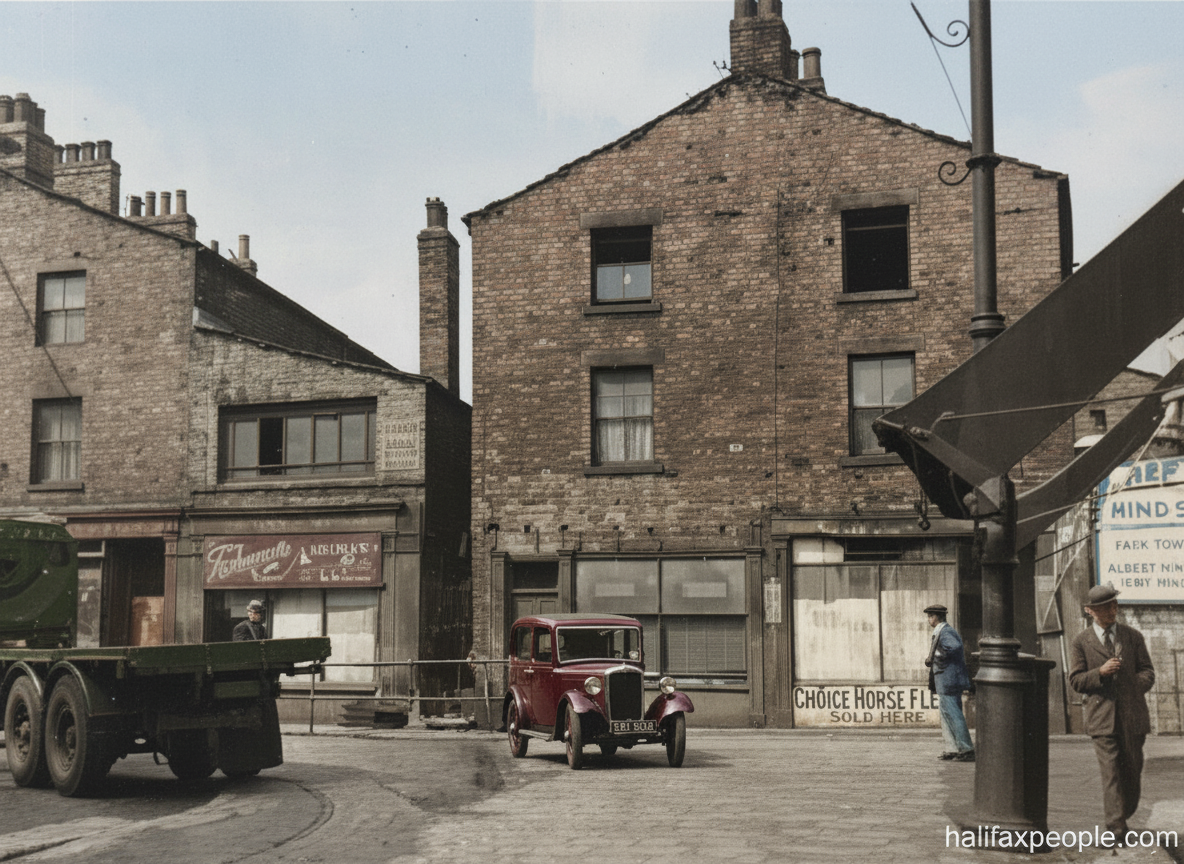
As you reached the end of Waterhouse Street, this would be looking up Broad Street today, towards Pellon Lane. Here you can see the tailors and horseflesh shops in 'The City' area which, in time, became the area of the Odeon cinema.

digitised

digitised



If you have enjoyed your visit to this website, please spread the word by clicking the 'like' and 'share' buttons below. Thank you