Alexandra Hall Halifax –
Historic Theatre, Café & Social Hub

Discover the fascinating story of Alexandra Hall—Halifax’s iconic 1931 theatre, home to Britain’s only domed cyclorama and a beloved spot for community life.

Alexandra Hall: A Victorian Gem in Halifax's Crown
Standing majestically at the corner of Alexandra Street and King Edward Street, Alexandra Hall represents one of Halifax's most striking examples of 1930s architectural grandeur. Named after Queen Alexandra, consort to King Edward VII, this impressive building has been a cornerstone of Halifax's social and cultural life since its opening in 1931.

A Building Born from Ambition
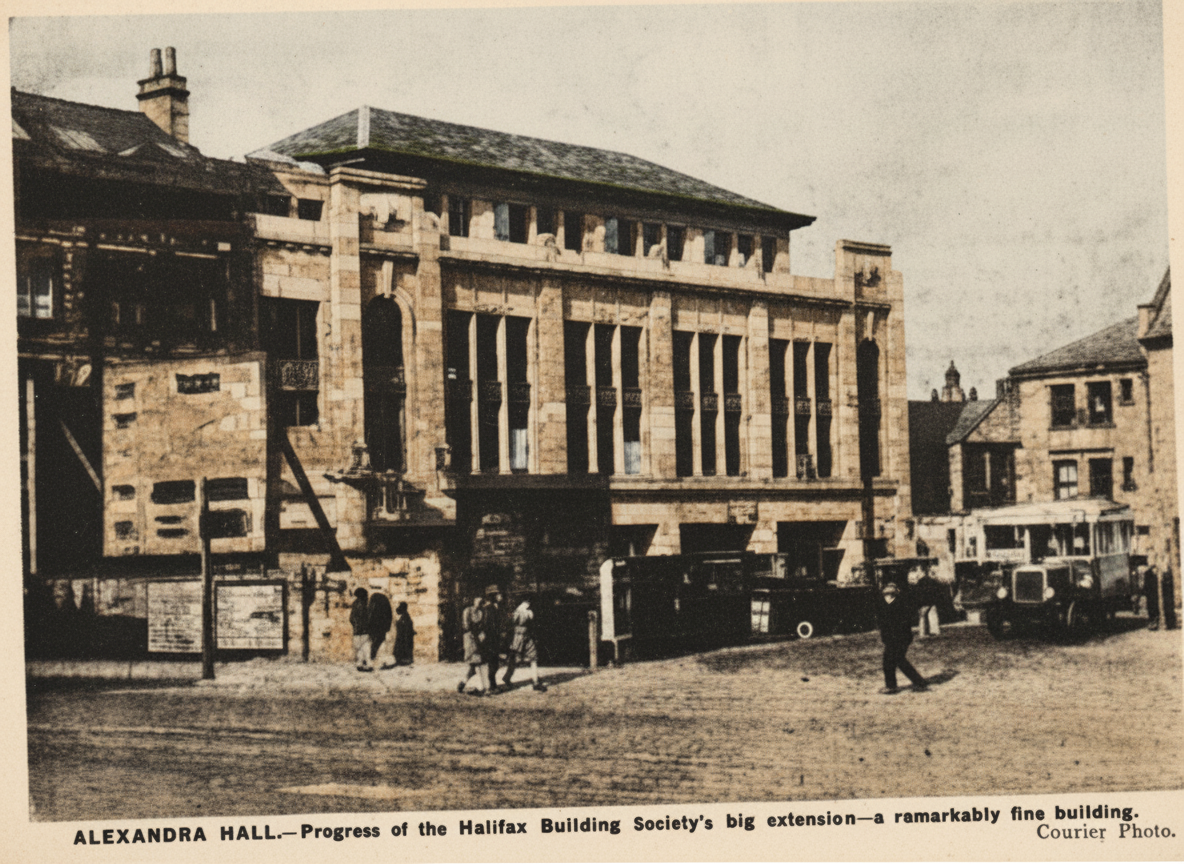
The 650-seat hall was conceived during Halifax's industrial heyday, when the town's textile wealth was at its peak. Designed by the Halifax-based architectural firm Clement Williams & Sons and built by Benjamin Whitehead Jackson, the building opened its doors on 11th March 1931. It was owned by the Halifax Building Society and built on land next to the former York Buildings, though it was operated independently for many years and became affectionately known as "The Alex" by locals.
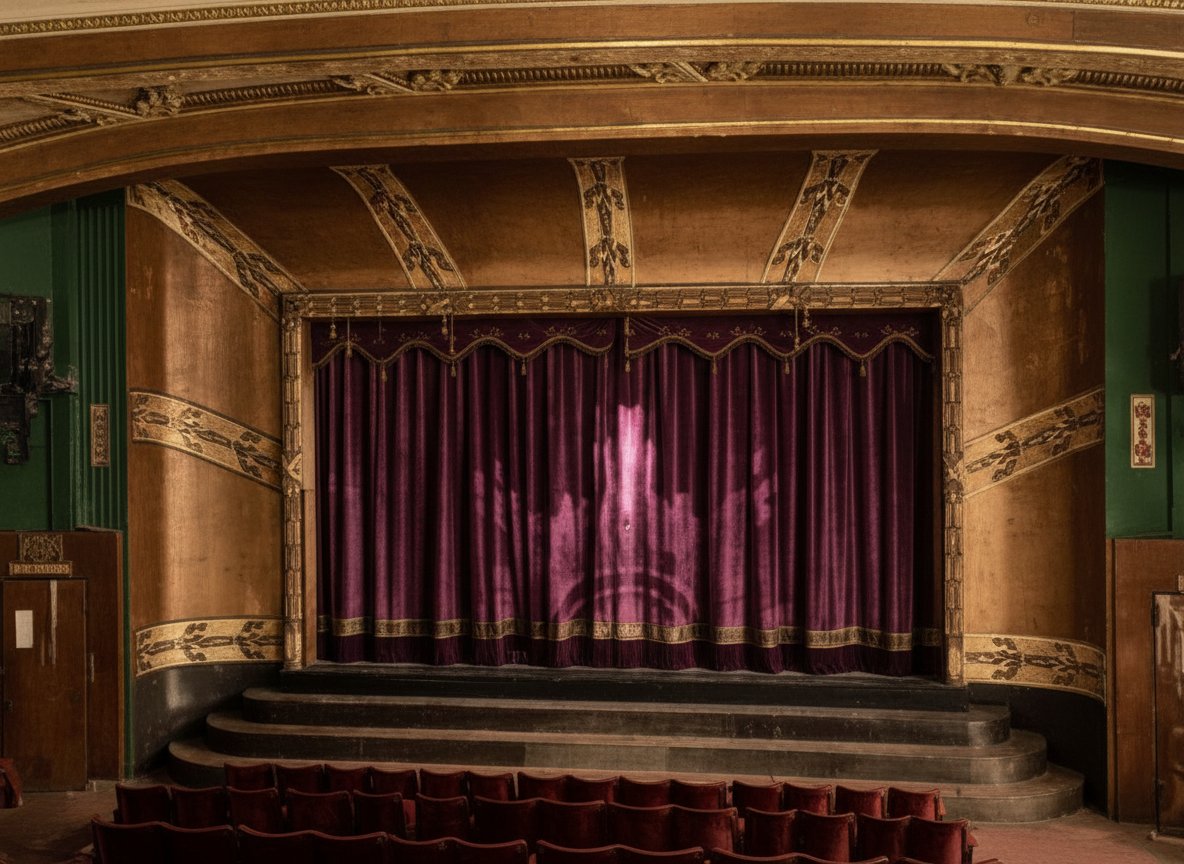
What made The Alex truly special was a feature that put Halifax on the national map: it housed Britain's only domed cyclorama at the time of opening. This innovative theatrical feature was a marvel of modern engineering and design.

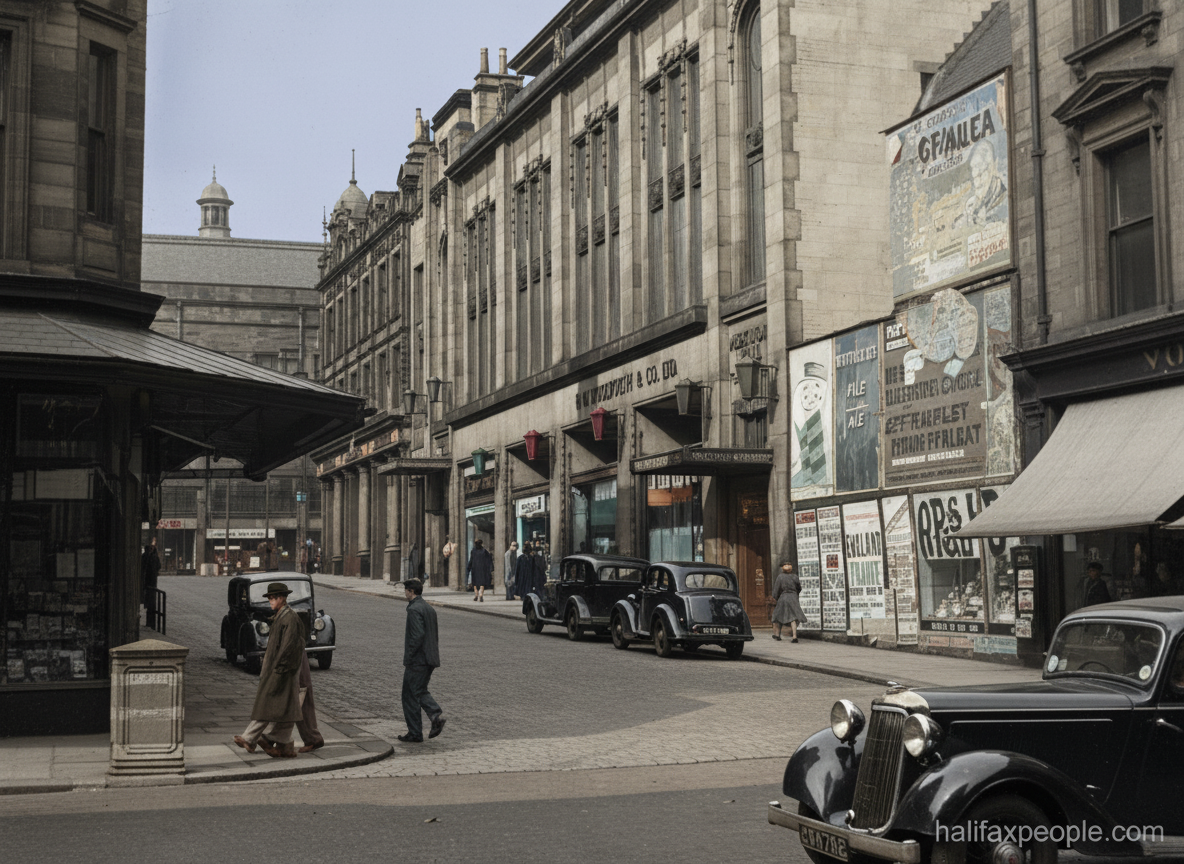
enhanced
Views from Alexandra Street
Architectural Splendor
The hall's impressive façade showcased the prosperity and ambition of industrial-era Halifax. Its design featured:
- Striking Yorkshire stone construction with intricate stonework
- Tall, elegant windows reflecting Victorian-era grandeur
- Three lockup shops integrated into the street level
- Advanced theatrical lighting with a sophisticated colour system (cutting-edge for 1931)
- A basement carved from solid rock, originally used as a strong room to store the Halifax Building Society's title deeds and documents

The Grand Opening & First Production
The theatre opened with considerable fanfare, hosting the Halifax Thespians' production of "Adam, the Creator" by the Brothers Capek. This wasn't just a local amateur production—it was a statement that Halifax had a cultural venue worthy of serious theatrical works.
The theatre's advanced lighting system and domed cyclorama made it one of the most modern performance spaces in the North of England. For a town built on wool and textiles, The Alex represented cultural ambition and civic pride.

Social History
In its heyday, Alexandra Hall served as:
- A prestigious meeting place for Halifax's industrial elite
- A venue for grand balls and social gatherings
- A cultural center hosting concerts and exhibitions
- A symbol of Halifax's Victorian prosperity



The Alexandra Café: More Than Just a Theatre
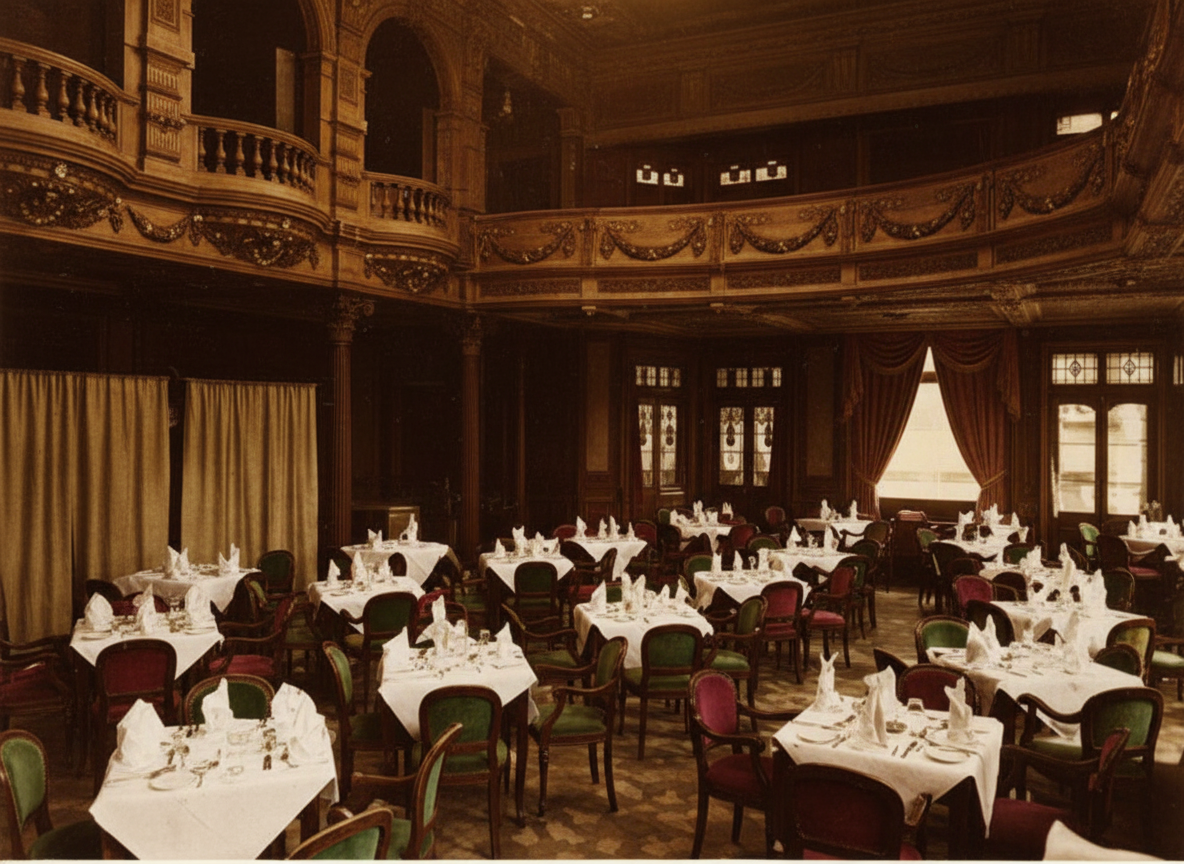
Integral to The Alex's appeal was the Alexandra Café and Restaurant, which opened alongside the theatre. This wasn't merely a refreshment stand—it was a destination in itself. The café became a popular meeting place for Halifax's middle classes, a spot where business deals were made, friendships formed, and the town's social calendar was discussed over tea and cakes.


Views from King Edward Street


Social History: The Heart of Halifax's Social Life
In its heyday, Alexandra Hall served as:
- A theatre venue for professional and amateur productions
- A concert hall hosting musical performances
- A dance venue where generations of Halifax couples danced to live bands (many locals have fond memories of "dancing at the Alex")
- A meeting place for civic organisations, societies, and community groups
- An exhibition space for local artists and cultural events
- A social hub where Halifax's industrial elite gathered for formal occasions
The theatre became woven into the fabric of Halifax life. For many residents, an evening at The Alex was a highlight—a chance to dress up, enjoy entertainment, and feel part of Halifax's vibrant cultural scene.


The War Years & Beyond
Like many public buildings, The Alex adapted during the Second World War, serving the community during difficult times. Post-war, it continued as a popular entertainment venue, hosting everything from pantomimes to concerts to community dances.
However, changing entertainment habits—the rise of television, cinema, and later, out-of-town leisure facilities—gradually reduced the theatre's role. The hall was closed to the public in 1969, marking the end of an era.

Legacy & Present Day
Today, Alexandra Hall is part of The Halifax complex, the modern financial services building that now occupies the site. While the theatre no longer hosts performances, its architectural legacy remains visible in the street-level features and the memory of those who experienced its golden years.
For anyone interested in Halifax's heritage, The Alex represents a fascinating moment in the town's history—when industrial prosperity translated into civic pride and cultural ambition. It's a reminder that Halifax was once a place where grand public buildings were built to last, and where local communities gathered to celebrate their town's importance.
Harry Facks' Note
"I must say, The Alex was quite the establishment in its day! A proper theatre with all the modern conveniences—electric lighting, that remarkable domed ceiling, and a café where one could enjoy a proper cup of tea. The opening night must have been quite the occasion. It's rather sad that such fine buildings sometimes lose their original purpose, but their stories remain, and that's what matters, isn't it?"
Explore More of Halifax:
🔹 Piece Hall Halifax — Another iconic Halifax venue
🔹 George's Square — The heart of Halifax town centre
🔹 The City Old Halifax — The streets around Alexandra Hall
🔹 Halifax Places — More historic buildings and landmarks
If you have enjoyed your visit to this website, please spread the word by clicking the 'like' and 'share' buttons below. Thank you